


Crystal Anthurium (Anthurium crystallinum) Light Needs

Crystal Anthurium grows best in bright, indirect light with limited gentle morning sun and protection from harsh rays.

Light Preference

Bright Indirect Light

Anthurium crystallinum Light Requirements

In its native tropical rainforest habitat, Anthurium crystallinum grows below taller vegetation where light is broken by the canopy. It may receive brief shafts of sun, especially in brighter openings, but the leaves are not adapted to long periods of open sun.

This explains why cultivated plants grow best near a bright window with the rays softened or indirect. Preferred light is bright, indirect or filtered light.

  • Ideal exposure:

    Crystal Anthurium needs about 6–8 hours of bright, indirect or filtered light daily, including up to 1–2 hours of gentle direct morning sun.

  • Direct sun:

    Early morning sun is usually tolerated, but midday and afternoon rays can scorch the thin, velvety leaves.

  • Lower light:

    It can survive in shade or lower indoor light, but growth often slows and new leaves may stay smaller.

  • Afternoon risk:

    Strong west or south-facing sun is risky unless it is filtered through a curtain or softened by distance.

Crystal Anthurium is commonly grown indoors and does best where window light is bright but softened.

NConditional
North-facing window:

Use a north-facing window only if the room is very bright and the plant sits close to the glass.

EBest
East-facing window:

Place it close to an east-facing window where it receives bright morning light and indirect light later in the day.

SConditional
South-facing window:

Keep it several feet from a south-facing window or use a sheer curtain to prevent strong direct rays.

WConditional
West-facing window:

Use a west-facing window only with filtering or added distance, because afternoon sun can be too intense.

The best indoor position gives bright light without letting the leaves sit in hot direct sun.

Excess light can damage the broad, velvety leaves.

Pale patches:

Leaves may develop washed-out areas where strong sun hits the surface most directly.

Tan scorch:

Dry tan or beige patches can appear on exposed leaf sections after sudden or harsh sun exposure.

Faded velvet:

The deep, velvety look may fade when Anthurium crystallinum receives more direct sun than it can handle.

Window-side damage:

Marks often appear first on the side facing the glass, especially near west or south-facing exposure.

Move the plant out of direct midday or afternoon sun right away. Use a sheer curtain or increase the distance from the window before returning it to a bright position.

Low light usually shows up as weak, stretched growth rather than immediate leaf damage.

  • Leaning growth:

    Stems and leaves may angle strongly toward the nearest bright area instead of holding an even shape.

  • Longer spacing:

    New growth may look stretched, with longer leaf stalks and a looser overall form.

  • Smaller leaves:

    New leaves may open smaller than older leaves when light is too weak during active growth.

  • Duller pattern:

    The dark leaf surface and pale veins may look less crisp in a consistently dim position.

Move the plant to brighter indirect light, but increase exposure gradually over several days. Avoid placing it suddenly in direct afternoon sun.

If ideal bright indirect light is not available, choose the brightest spot that does not cast hot afternoon rays directly on the leaves.

Rotate the pot a quarter turn every 1–2 weeks to keep the plant from leaning toward the light source.

Avoid a dim corner as a long-term placement, because new leaves are likely to size down and growth will slow.

Get Personalized Care Plan

Scan your plant to receive care tips personalized for your specific plant

FAQ

The best light for Crystal Anthurium is bright, indirect or filtered light for most of the day. A small amount of gentle morning sun is usually fine.

More Plant Light Guides

Get the Botan App

Discover how to care for your plants with Botan.

Botan app identifying a plant with a phone camera
13 Best Front Yard Trees for Every Home and Yard

12 min read · 7 Aug 2026

13 Best Front Yard Trees for Every Home and Yard

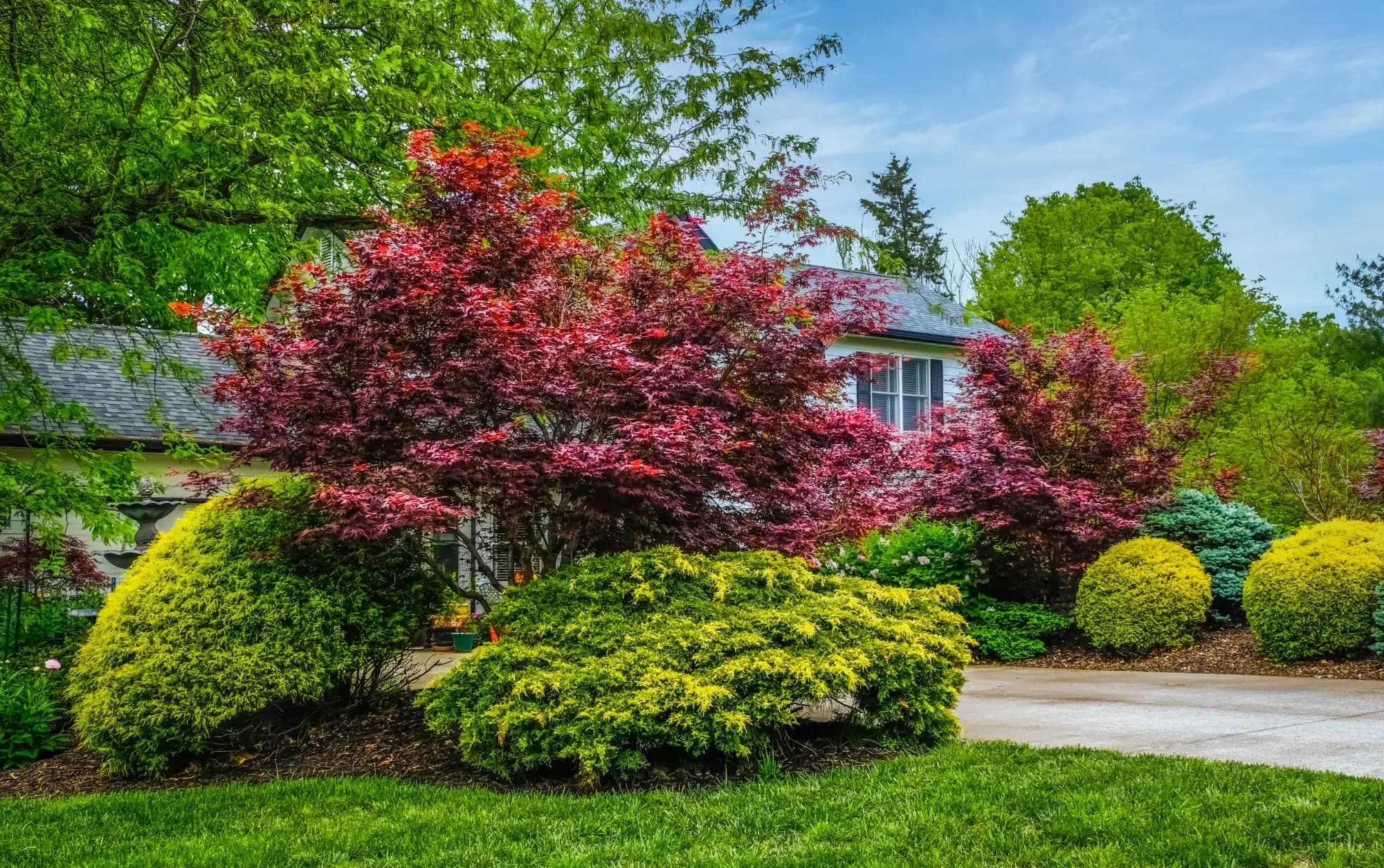
A front yard tree can stay for decades. Therefore, choosing one deserves serious consideration. Here are 13 trees that have proven themselves, sorted by their purpose. You'll also find five species to avoid and basic planting information.

Plant Recommendations
13 Best Front Yard Trees for Every Home and Yard
How To Revive a Dying Plant: 6 Steps To Bring A Plant Back To Life

6 min read · 1 Sept 2026

How To Revive a Dying Plant: 6 Steps To Bring A Plant Back To Life

Drooping leaves and brown tips don't always mean the end, and a weakened plant can often recover with a little help. These six simple steps will help you revive a dying plant and restore its health.

Plant Care
How To Revive a Dying Plant: 6 Steps To Bring A Plant Back To Life
Top 15 Plants That Don’t Need Sunlight

8 min read · 17 Sept 2026

Top 15 Plants That Don’t Need Sunlight

Some plants thrive in dim rooms, shaded corners, and places with indirect light. In this guide, you’ll explore the top 15 species best suited to low-light conditions and how to care for them.

Plant Recommendations
Top 15 Plants That Don’t Need Sunlight