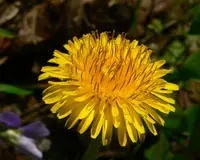



Taraxacum (Taraxacum sect. Taraxacum) Light Needs

Taraxacum grows best in full sun, with several hours of direct sunlight on most active growing days.

Light Preference

Full Sun

Taraxacum sect. Taraxacum Light Requirements

In the wild, this species is most often found in open turf, meadows, field edges, path margins, and other disturbed sites where competing vegetation stays low. Rosettes sit close to the soil and receive direct sun for much of the day, though plants may tolerate brief shade from grass or nearby objects. These conditions match cultivated growth outdoors. Preferred light is full sun.

  • Ideal exposure:

    Taraxacum needs about 6–8 hours of full sun daily, with 6 or more hours as direct sunlight when possible.

  • Direct sun tolerance:

    Established outdoor plants tolerate full-day sun, including afternoon sun, when exposure has not changed suddenly.

  • Partial sun:

    Four to 6 hours of direct sun is tolerated, but flowering and compact rosette growth may be reduced.

  • Shade risk:

    Filtered light or shade is not suitable for strong growth and often leads to stretching.

Too much light is uncommon, but harsh reflected heat can stress exposed growth.

Bleached patches:

Pale, dry-looking spots may appear on leaf surfaces that were suddenly exposed to intense midday sun.

Crisp exposed tips:

Thin leaf tips can dry and curl after abrupt movement from shade into full sun.

Flattened rosette:

Leaves may press tightly against the soil when intense light is paired with hot surfaces.

Short flower stems:

Flower stalks may stay shorter when plants face strong sun and reflected heat from paving.

Move the plant away from reflective walls or pavement, or give it sun earlier in the day. Reintroduce full sun over several days after any shaded period.

Too little light is a common problem in shaded sites. The plant may survive, but growth becomes weaker.

  • Stretched leaves:

    Leaf stems lengthen and the rosette looks loose as growth reaches toward brighter light.

  • Leaning growth:

    New leaves may angle toward the open sky instead of forming an even, low rosette.

  • Fewer flowers:

    Blooming often slows or stops when the plant receives only brief or filtered sun.

  • Small new growth:

    New leaves may stay smaller during the active season because the plant is not receiving enough usable light.

Shift Taraxacum sect. Taraxacum to a brighter outdoor position with direct sun for much of the day. Increase exposure gradually if it has been in shade.

If ideal full sun is not available, choose the brightest outdoor spot that gets direct morning and midday sun. Four to 6 hours of direct sun is a workable compromise, but flowering may be lighter.

Remove shade from nearby objects when possible, and place containers where open sky is visible for most of the day. Rotate a container every few days if nearby walls create uneven light.

Deep shade under a porch, dense fence line, or overhang is unsuitable because it prevents the strong light this species needs.

Get Personalized Care Plan

Scan your plant to receive care tips personalized for your specific plant

FAQ

Taraxacum sunlight requirements are simple: this plant grows best with full sun for most of the day. Partial sun is tolerated, but growth and flowering are usually stronger with more direct light.

More Plant Light Guides

Get the Botan App

Discover how to care for your plants with Botan.

Botan app identifying a plant with a phone camera
Frozen vs Fresh Vegetable Nutrients: Which Option Is Healthier?

6 min read · 8 Sept 2026

Frozen vs Fresh Vegetable Nutrients: Which Option Is Healthier?

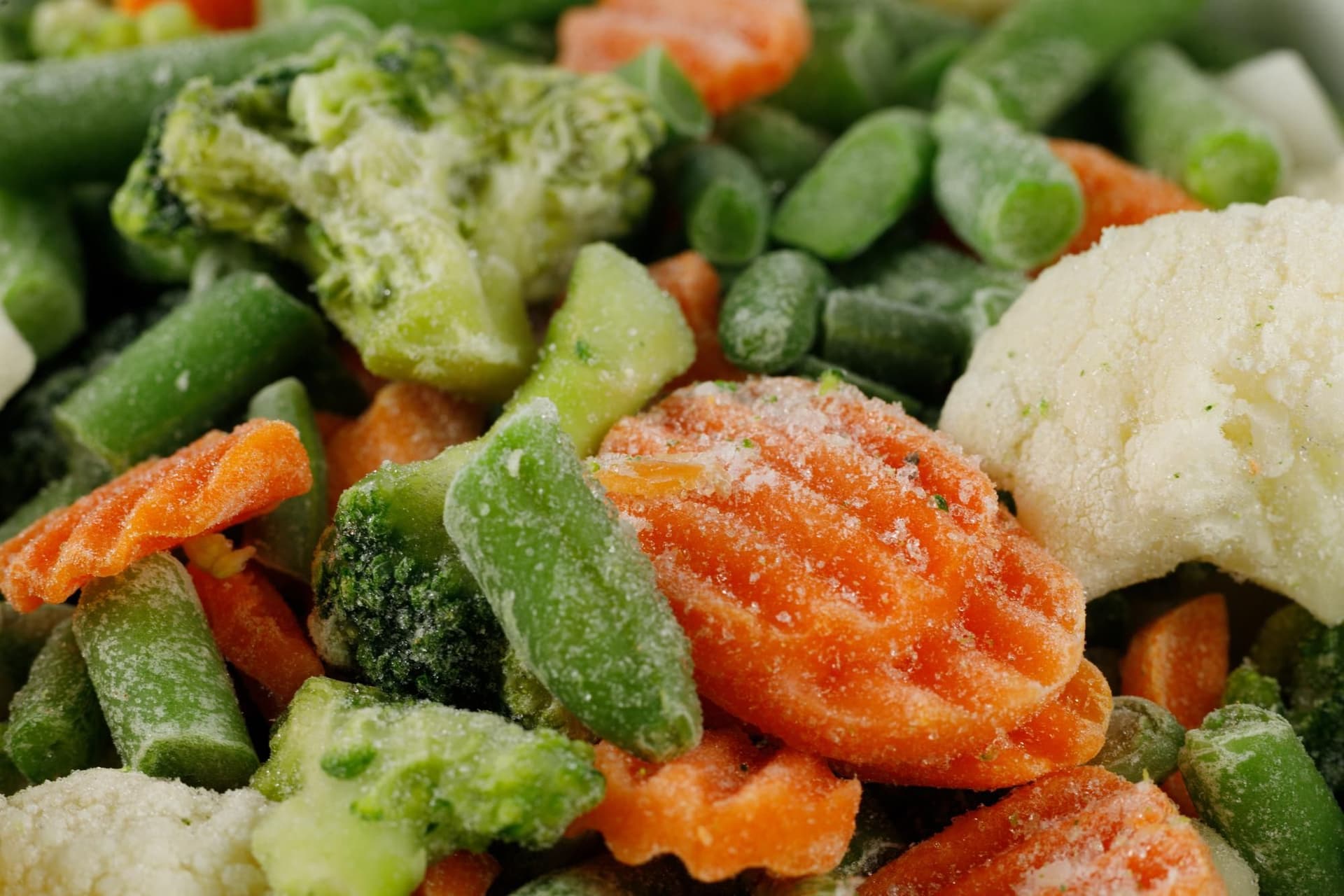
Frozen and fresh vegetables are nutritionally comparable: frozen produce often retains vitamins just as well as fresh and may sometimes contain more. Here’s how blanching and storage affect nutrients—and when to choose each.

Plant Recommendations
Frozen vs Fresh Vegetable Nutrients: Which Option Is Healthier?
Plant Pot Sizes: How to Choose the Right Plant Container

7 min read · 20 Aug 2026

Plant Pot Sizes: How to Choose the Right Plant Container

Plant pot sizes can be confusing because the number on the label only tells you part of the required information. A container may look spacious but actually be too shallow. So, how to choose pot size for plant species?

Beginner Guides
Plant Pot Sizes: How to Choose the Right Plant Container
Best Bedroom Plants – Top 10 to Grow in Your Space

8 min read · 8 Jul 2026

Best Bedroom Plants – Top 10 to Grow in Your Space

Discover the top 10 houseplants that are suitable for growing in your bedroom. Compare their light and water needs, pet safety, and benefits. Find out where best to place greenery in your relaxation space and what species to avoid.

Plant Recommendations
Best Bedroom Plants – Top 10 to Grow in Your Space