

Pineapple (Ananas comosus) Light Needs

Pineapple grows best in full sun, with long, bright exposure and several hours of direct light daily.

Light Preference

Full Sun

Ananas comosus Light Requirements

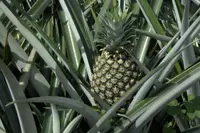
Ananas comosus is native to tropical South America, where it grows in warm, open habitats with strong seasonal sun and high light intensity. Its rosette of stiff leaves is adapted to bright exposure rather than shaded understory conditions. In cultivation, the same pattern applies: growth is strongest when the plant is not kept dim or set far from sunlight. Preferred light is full sun.

  • Ideal exposure:

    Pineapple needs about 6–8 hours of bright light daily, ideally full sun, including at least 4–6 hours of direct sun.

  • Full sun tolerance:

    Established plants can handle direct sun for most of the day when acclimated gradually.

  • Partial sun acceptable:

    A few hours of direct morning sun with bright light afterward can support steady growth indoors.

  • Low light limits:

    Dim rooms usually lead to weak, stretched growth and poor fruiting potential.

  • Afternoon intensity:

    Hot west-facing sun is tolerated better after gradual exposure, not after a sudden move from indoors.

Indoors, place it in the brightest window available, with direct sun for part of the day.

NPoor
North-facing window:

A north-facing window is usually too dim unless it is unusually open and supplemented by stronger light.

ESuitable
East-facing window:

An east-facing window can work if it gives several hours of direct morning sun and bright light afterward.

SBest
South-facing window:

A south-facing window is usually best, especially within 1–3 ft of the glass with open exposure.

WConditional
West-facing window:

A west-facing window can work after gradual acclimation, but intense afternoon rays may stress tender indoor-grown leaves.

Rotate the pot every 1–2 weeks so the rosette receives light evenly.

Strong light is usually helpful, but sudden intense sun can cause stress.

Bleached leaf areas:

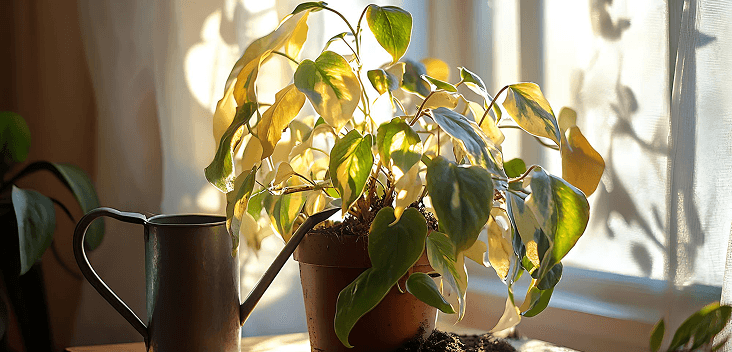
Pale yellow or whitish patches may appear on the sun-facing side after a sudden move outdoors or into harsh glass-amplified sun.

Tan scald spots:

Dry tan marks can form where leaves were exposed to intense afternoon sun before acclimation.

Reddish bronzing:

A bronze or reddish cast may signal high light stress when it appears with stalled growth or scalded patches.

Faded crown:

New central leaves may look faded if the crown sits close to very hot window glass.

Shift the plant out of harsh afternoon sun and give bright light with gentler direct sun first. Increase exposure over 1–2 weeks.

Low light causes slower, weaker growth. The pattern is usually most visible during the active growing season.

  • Elongated leaves:

    New leaves may grow longer, narrower, and softer as the plant reaches for stronger light.

  • Leaning rosette:

    The rosette may tilt toward the brightest side instead of staying balanced.

  • Small new growth:

    New central leaves can emerge smaller when light is too weak to support normal growth.

  • Reduced flowering:

    Indoor plants in low light are less likely to build enough energy for flowering or fruiting.

Move it to a brighter location with direct sun, or increase exposure gradually if it has been in shade. A dim corner is not enough for long-term growth.

If full sun is not available, choose the brightest spot and prioritize several hours of direct morning sun. Bright indirect light alone is a compromise, not the ideal exposure.

Move the plant closer to the light source in small steps, then rotate the pot weekly to keep the rosette even.

Avoid a dim shelf or interior corner because it will not support compact growth.

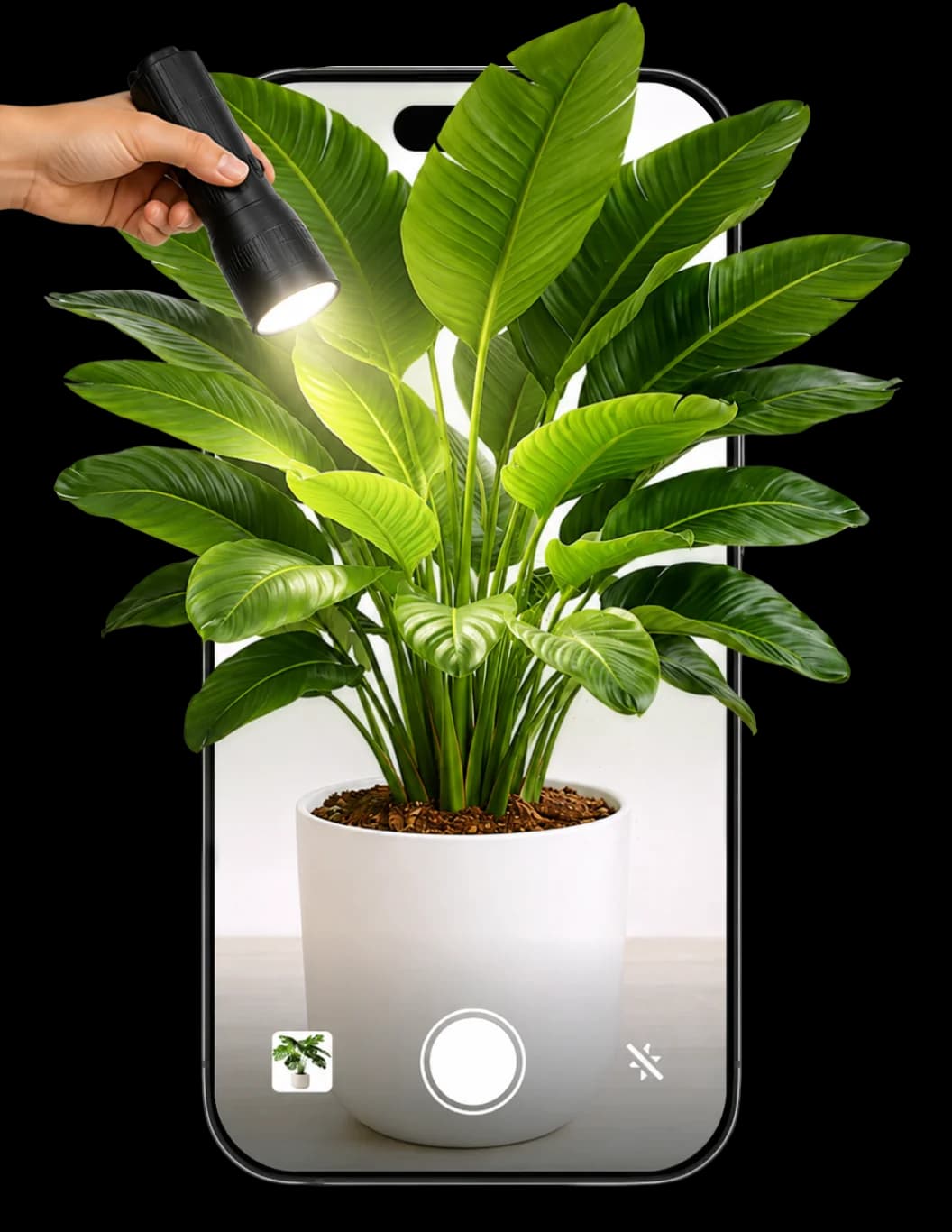
Get Personalized Care Plan

Scan your plant to receive care tips personalized for your specific plant

FAQ

Pineapple light requirements are full sun to very bright partial sun. This plant does best with long daily exposure and several hours of direct sunlight.

More Plant Light Guides

Get the Botan App

Discover how to care for your plants with Botan.

Botan app identifying a plant with a phone camera
Banana Peel Water for Plants: 5 Things to Know Before Trying It

5 min read · 9 Jul 2026

Banana Peel Water for Plants: 5 Things to Know Before Trying It

Banana water can provide potassium and some nutrients that may support plant growth, but it is not a universal fix. Use it carefully and only when the plant actually shows signs of nutrient deficiency rather than as a routine treatment.

Plant Care
Banana Peel Water for Plants: 5 Things to Know Before Trying It
How to Repot a Plant: A Step-by-Step Guide

7 min read · 28 May 2026

How to Repot a Plant: A Step-by-Step Guide

In spring, many plants need repotting—an essential part of care. To avoid stress, consider the plant’s type and size. This article offers a step-by-step guide for repotting indoors or outdoors and shows how to check plant health and get care tips using the Botan app.

Plant Care
How to Repot a Plant: A Step-by-Step Guide
Best Fertilizer for Vegetable Gardens – What to Use for Each Plant

11 min read · 20 Jul 2026

Best Fertilizer for Vegetable Gardens – What to Use for Each Plant

Here, you’ll find the right fertilizer formula for vegetables in your garden. Learn how to adjust feeding correctly throughout the growing cycle, spot nutrient deficiencies by their symptoms, and keep your plants healthy and prolific.

Plant Recommendations
Best Fertilizer for Vegetable Gardens – What to Use for Each Plant