Rainwater funnel tank
The rosette of Ananas comosus channels rainwater into a central tank, where leaf axils trap and slowly release moisture to the roots, allowing the plant to cope with irregular tropical rainfall.

This page explains when, how often, and how much to water Ananas comosus for steady, healthy growth.

Water Requirements
Moderate Water

Native to warm, seasonally dry regions, this plant adapts to soil that dries slightly between rainfall. Ananas comosus tolerates brief dryness better than constant wetness, so aim for light, moderate moisture.
For indoor pots, watering Pineapple typically means letting the mix dry a bit before refreshing. Outdoor plants usually experience deeper but less frequent moisture, so compare conditions and adjust the overall watering Pineapple approach accordingly.
Water when the top 1–2 inches (3–5 cm) of soil feel completely dry, as Ananas comosus prefers drying slightly between soakings. Indoors, this typically means watering about every 7–10 days in bright light. Lower light or cooler temperatures usually extend the interval between waterings.
Water Pineapple when the top 1-2 inches (3-5 cm) of soil feel dry, aiming for deep, even moisture.
Incorrect moisture levels may stress Ananas comosus and trigger several avoidable growth problems.
Young leaves collapse from the rosette center after excess water sits in the leaf cup.
Lower leaves yellow and growth stalls when roots suffocate in dense, constantly wet soil.
Dry, brown margins develop after prolonged underwatering or frequent swings between drought and saturation.
Foliage stays light and compact when watering is frequent but soil drainage and air circulation are poor.
Let soil dry moderately between thorough waterings, keeping roots moist yet aerated, never waterlogged.
Unsuitable watering habits make Ananas comosus vulnerable to weak growth and disease by disturbing its balance between moisture, air, and roots.
Aim for a light, free-draining setup and water only after partial drying, keeping the root zone moist but never saturated for long.

Plant Water Guide
Learn how much water your plant needs and keep its routine on track
Use Botan for a clear watering guide and simple care steps for Ananas comosus, plus gentle photo-based checkups that help notice leaf or root issues early.

The rosette of Ananas comosus channels rainwater into a central tank, where leaf axils trap and slowly release moisture to the roots, allowing the plant to cope with irregular tropical rainfall.
Ananas comosus uses CAM photosynthesis, opening stomata mainly at night to reduce water loss, so it tolerates relatively dry air and soil compared with many other tropical fruit crops.
In cultivation, most functional roots of Ananas comosus stay in the top few inches of soil, adapted to absorb brief, light rains rather than deep, infrequent soakings.
This species tolerates slight underwatering better than sitting in soggy soil. Consistently wet mix can rot roots and the central rosette. Lightly dry soil between waterings is safer than keeping it constantly moist.
Botan reviews your watering routine to show if moisture levels stay on track.
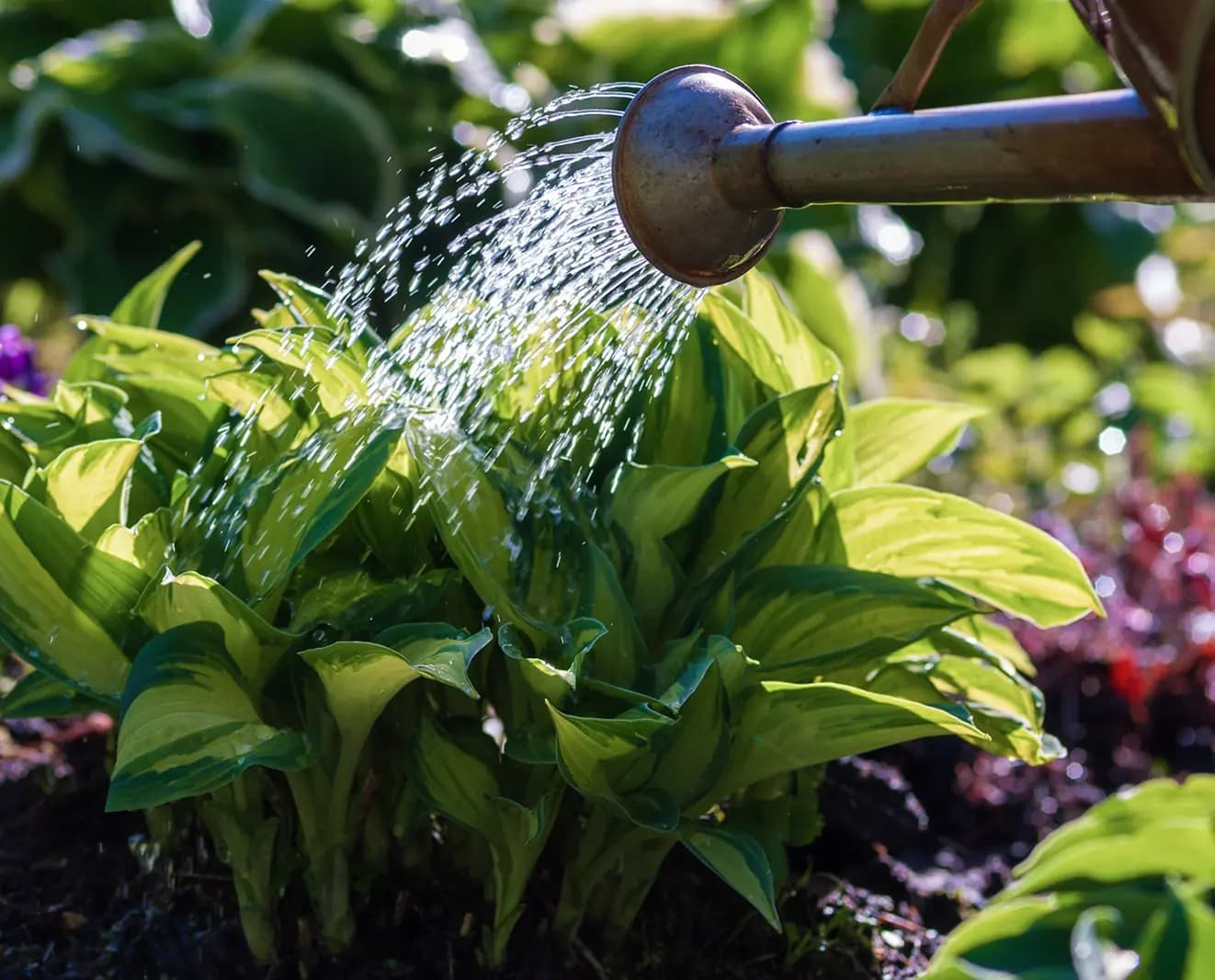
5 min read · 11 Sept 2026
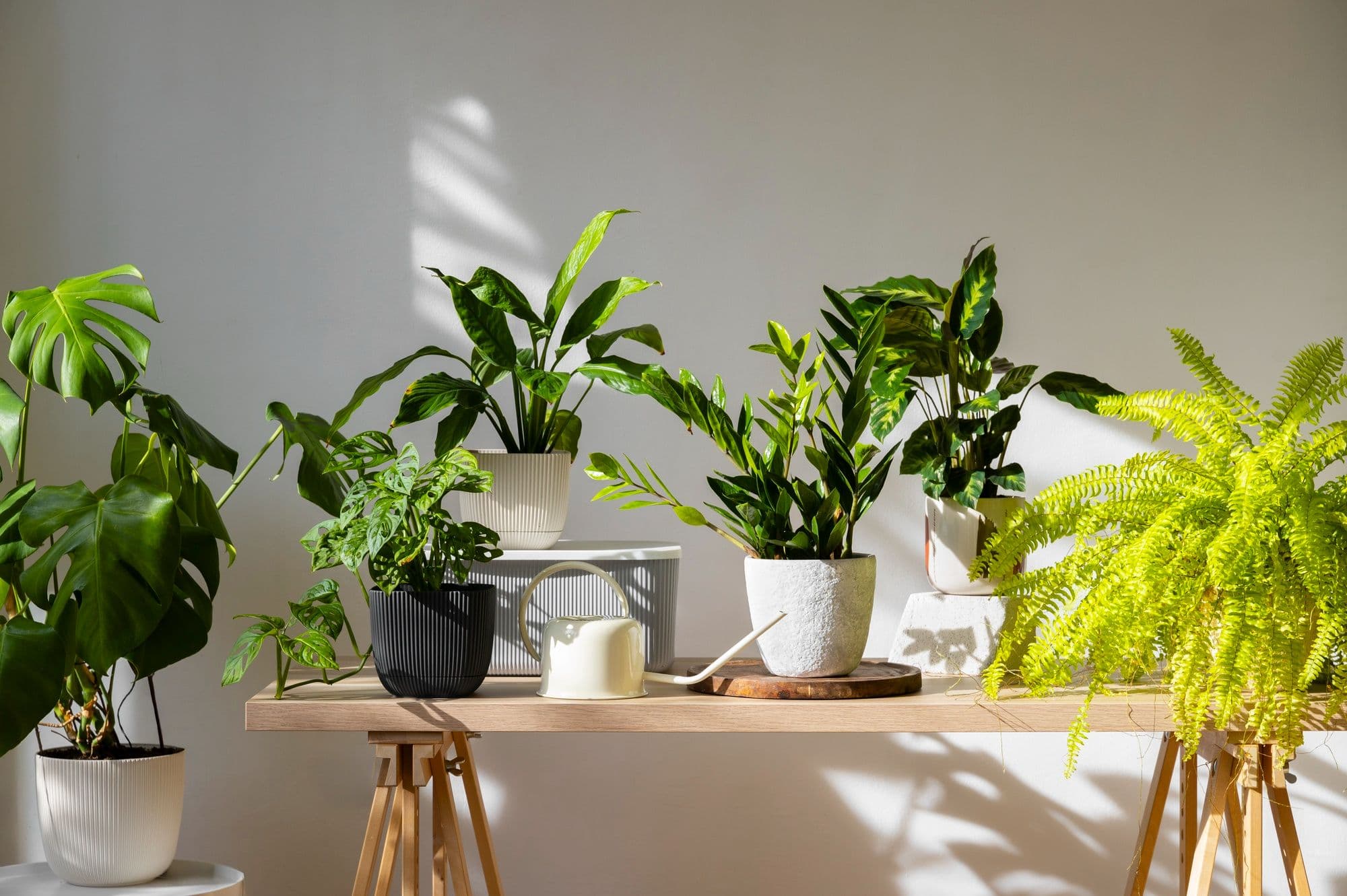
Indoor plants can make a room feel fresher thanks to their air-purifying qualities. Here are 5 of the most suitable choices for your routine and living space.

5 min read · 9 Jul 2026
Banana water can provide potassium and some nutrients that may support plant growth, but it is not a universal fix. Use it carefully and only when the plant actually shows signs of nutrient deficiency rather than as a routine treatment.
6 min read · 19 Aug 2026
A plant can lose its leaves, stop growing, or collapse and still remain alive. A closer look at the stems, roots, bulbs, and tubers can show whether the plant still has a chance to recover.