


6 min read · 19 Aug 2026
How to Tell if a Plant Is Dead
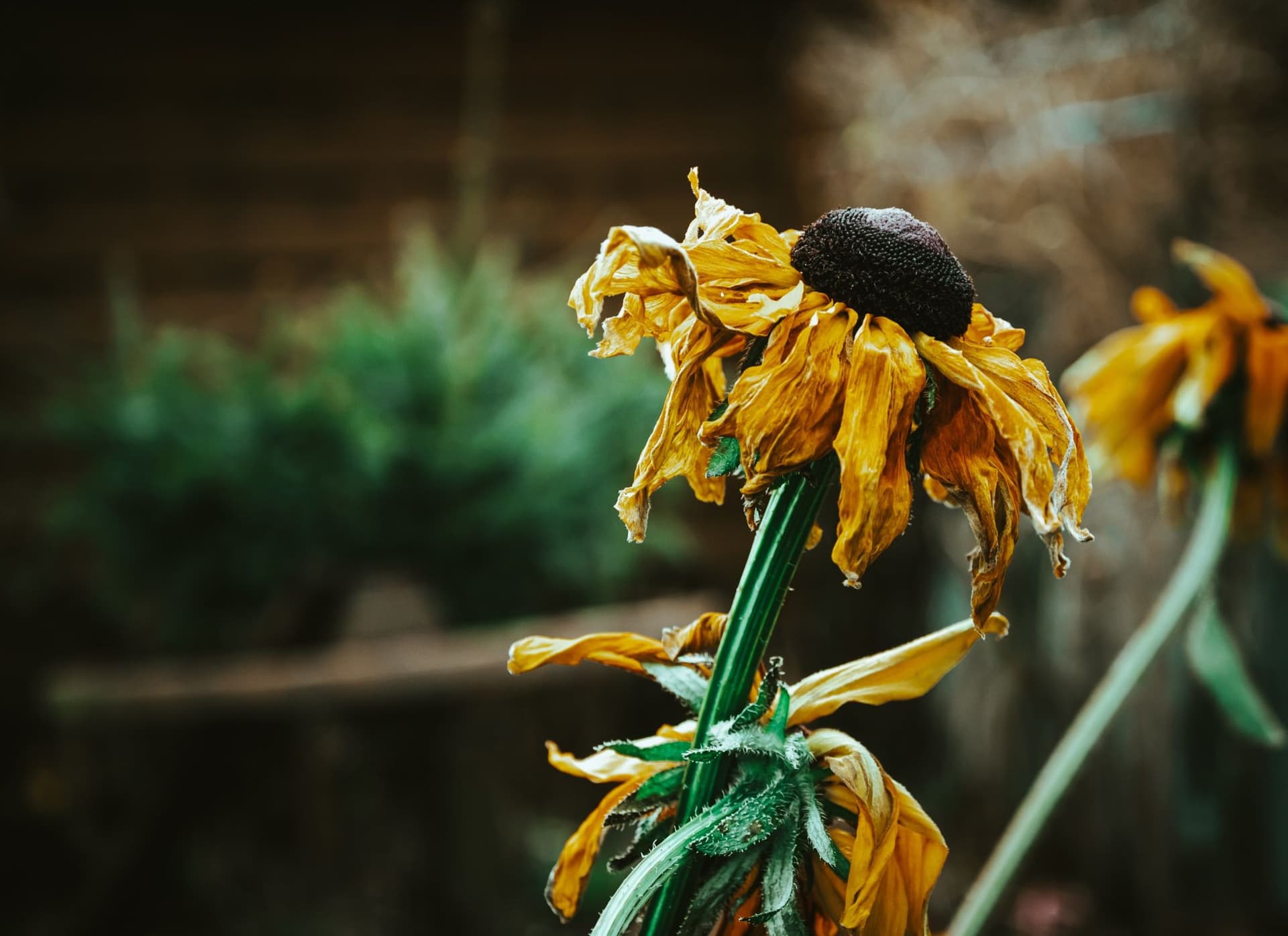
A plant can lose its leaves, stop growing, or collapse and still remain alive. A closer look at the stems, roots, bulbs, and tubers can show whether the plant still has a chance to recover.

For Ananas comosus, a loose, well-drained, slightly acidic mix supports steady root growth and helps maintain healthy plant tissue.

Soil Texture
Sandy, Loamy, Organic-rich

Soil pH
Acidic (5.5–6.5), Slightly acidic (6.5–7.0)

Soil Drainage
Well-drained

Native to tropical South America, Ananas comosus grows in warm, bright places where water drains away quickly. That background explains why the best soil for Pineapple is loose, airy, and well drained rather than dense or slow to dry.
Its root system is relatively shallow, so the plant benefits from a sandy to loamy substrate with some organic matter to hold light, even moisture without becoming heavy. Slightly acidic to near-neutral conditions suit healthy root function and steady nutrient uptake.
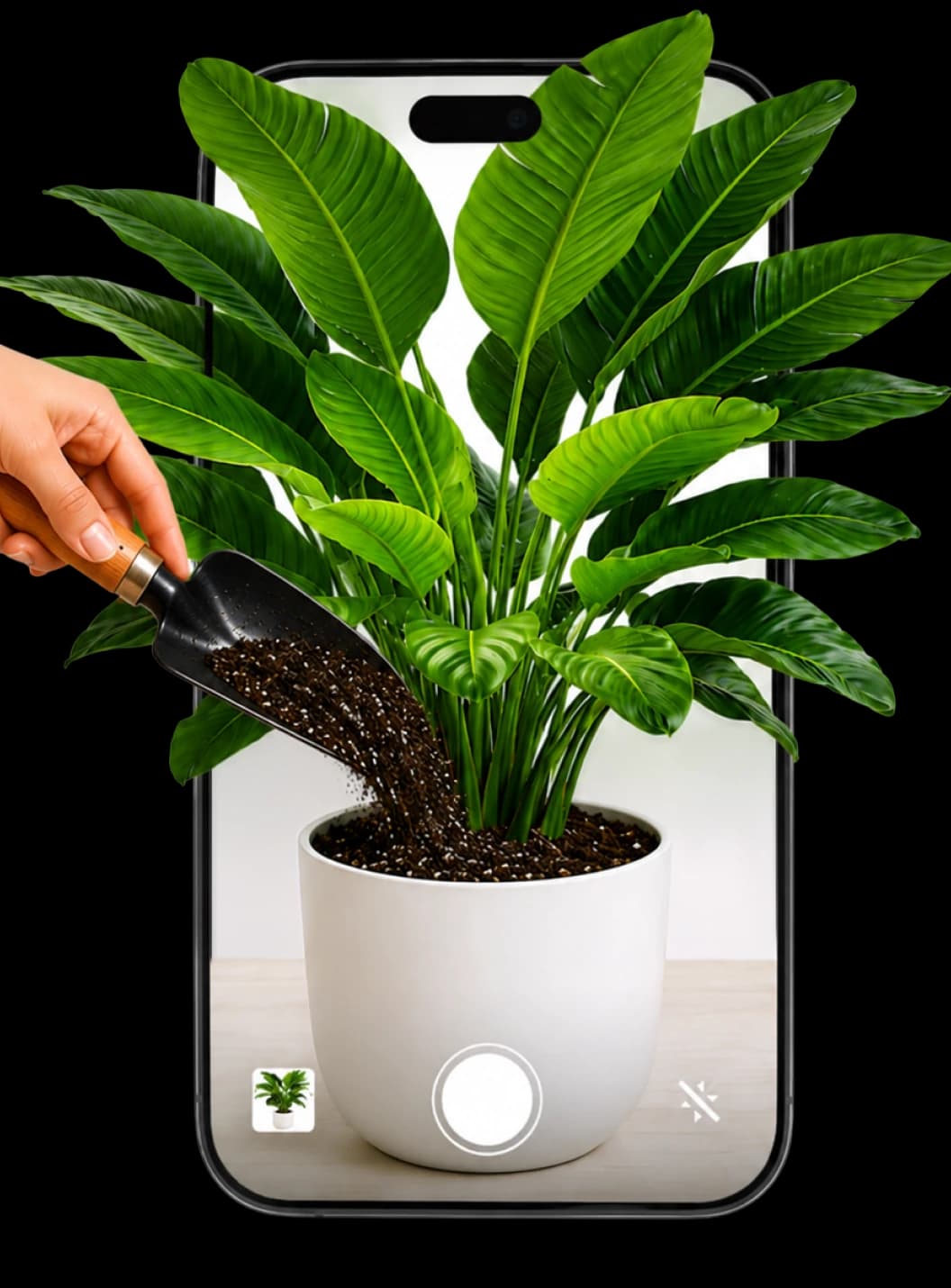
A simple custom mix gives Ananas comosus the balance of airflow and light moisture retention it needs in a container.
The finished blend should feel loose, slightly springy, and gritty enough to drain fast while still holding a small, even reserve of moisture.
Pineapple grows best in slightly acidic to acidic soil, around 5.5–6.5 pH. In that range, key nutrients stay more available to the roots and are easier for the plant to absorb.
Ananas comosus can tolerate a mildly wider range, but soil that drifts too far toward neutral may reduce access to iron and other micronutrients over time.
Root issues in this species often start below the surface, especially when air flow around the roots is limited. Check the soil first if growth slows or the base seems stressed.
Dense media can trap moisture and reduce oxygen at the roots; gently loosen the top layer and replace part of the old medium if it stays heavy.
A pot may seem dry on top while the bottom stays wet; check deeper in the container and pause irrigation until excess moisture clears.
White crust on the surface or pot rim can point to mineral accumulation; scrape it away and flush the soil thoroughly once if drainage is good.
Older Pineapple media may collapse into fine particles and stay damp too long; refresh with a coarser blend when the texture no longer feels open.
Botan helps match this plant to a more suitable soil setup based on its needs and the way it is growing in your space.
Yes. Drainage holes let excess water leave the container and reduce the chance of stale, saturated conditions around the roots. They also make it easier to keep Pineapple soil from staying wet too long.
Use Botan’s photo-based assessment to check whether a visible issue may be linked to soil conditions. It can help narrow down what to inspect next.


6 min read · 19 Aug 2026
A plant can lose its leaves, stop growing, or collapse and still remain alive. A closer look at the stems, roots, bulbs, and tubers can show whether the plant still has a chance to recover.

6 min read · 8 Sept 2026
Frozen and fresh vegetables are nutritionally comparable: frozen produce often retains vitamins just as well as fresh and may sometimes contain more. Here’s how blanching and storage affect nutrients—and when to choose each.

3 min read · 13 Nov 2026
Every plant lover has a small graveyard behind them. Here is the twist... most of those plants did not die from bad care.