Pineapple Care (Ananas comosus)

Pineapple

About Pineapple

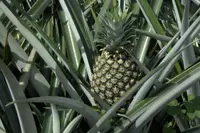
Ananas comosus, commonly known as pineapple, is a tropical bromeliad grown for its edible fruit and striking rosette of spiny, sword-like leaves. It is a terrestrial bromeliad, usually staying low and compact, which makes it suitable for containers and indoor display in bright spaces.

In the wild, pineapple is native to South America and is widely cultivated in tropical and subtropical regions worldwide. It is generally considered a moderate‑care plant; slow growth, sensitivity to cold, and need for strong light are the main challenges.

It prefers bright light, warm temperatures, and well-drained soil, so understanding these basics helps explain how to care for Pineapple successfully over time.

Main Plant Requirements

Care Difficulty

Moderate Care

Light Preference

Full Sun

Water Requirements

Moderate Water

Temperature Preference

Tropical / Frost Sensitive

Hardiness Zone

10–12

Soil Texture

Sandy, Loamy, Organic-rich

Soil pH

Acidic (5.5–6.5), Slightly acidic (6.5–7.0)

Soil Drainage

Well-drained

Fertilization

Light (every 4–6 weeks)

Get Personalized Care Plan

Scan your plant to receive care tips personalized for your specific plant

Available on iOS and Android

How to Care for the Pineapple

This plant needs strong light to form compact growth and develop fruit with good color.

  • Provide 6–8 hours of direct sun daily; morning and late-afternoon sun are best, with light midday shade in very hot climates.
  • It tolerates light partial shade (3–4 hours direct sun) but Pineapple grown in too much shade develops pale leaves and slow, weak growth.
  • In summer, protect from scorching by using 30–40% shade cloth if leaves bleach; in winter, avoid deep shade and maximize south-facing exposure.

This bromeliad prefers modest, infrequent watering and dries slightly between soakings.

  • Let the top 3–5 cm of soil dry before watering; use well-draining, sandy soil so excess water exits quickly and roots stay aerated.
  • Water thoroughly until excess drains away, then empty saucers; consistently wet soil causes root rot, sour odor, and collapsing, yellowing leaves.
  • In cooler months, reduce watering when growth slows; slight leaf curling or very light pot weight suggests dryness, while soft, mushy tissue signals overwatering in Ananas comosus.

Stable warmth supports steady growth and reliable fruiting for this tropical species.

  • Aim for 70–85°F (21–29°C) for active growth; plants slow noticeably below 65°F (18°C).
  • Avoid temperatures below 55°F (13°C); brief dips to 40–45°F (4–7°C) may be survived but can cause leaf damage, especially if foliage is wet.
  • In hot spells over 95°F (35°C), provide light shade and airflow; this reduces leaf scorch and stress, especially on newly planted or container-grown specimens.

This species prefers moderately humid air but usually adapts to most household conditions.

  • Aim for 40–60% humidity to support steady leaf growth and reduce tip browning.
  • It tolerates drier indoor air, but prolonged very low humidity can cause brown, crispy leaf edges and slowed growth in Pineapple.
  • Increase humidity locally with a pebble tray, grouping plants, or a small nearby humidifier rather than misting leaves heavily.

Ananas comosus needs a fast-draining, airy mix that does not stay wet for long.

  • Use a sandy, well-aerated mix such as 40% cactus soil, 30% coarse sand, and 30% perlite or fine bark.
  • Ensure strong drainage so water runs through quickly; roots are sensitive to waterlogging and compacted substrates.
  • Keep pH slightly acidic to neutral, around 5.5–7.0, which supports nutrient availability for this bromeliad.
  • To improve aeration, avoid heavy peat-only mixes and blend in coarse materials that create stable air pockets.

This species grows well in containers when the pot supports its shallow, spreading root system and top-heavy rosette.

  • Choose a wide, stable pot rather than a very deep one to counterbalance the weight of the leaf rosette.
  • Select a pot material with moderate weight, such as thick plastic or ceramic, to prevent tipping while still allowing easy handling.
  • Leave a small unfilled margin at the pot rim so water does not overflow and can drain evenly through the mix.

Nutrient support improves growth and fruiting for Ananas comosus grown in containers or poor soil.

  • Use a balanced liquid fertilizer (around 10-10-10 or 20-20-20) diluted to 1/2–1/4 strength for Pineapple.
  • Feed every 4–6 weeks during the warm growing season when the plant is actively producing leaves.
  • Reduce or stop feeding in winter when growth slows, especially in cool indoor conditions.
  • Organic compost or a balanced slow-release fertilizer can be mixed into the top layer of soil in spring.

Pruning Ananas comosus focuses on removing declining tissue and managing offsets rather than shaping the main rosette.

  • Best time for pruning is during active growth in spring or summer when wounds heal faster.
  • Use clean, sharp scissors or pruners to remove dead, yellowing, or damaged leaves at the base.
  • Cut spent flower stalks down to the base after fruiting to tidy the plant and direct energy to offsets.
  • Thin crowded offsets if necessary, leaving the healthiest shoots to maintain good air flow and plant form.

Container-grown Ananas comosus benefits from occasional repotting to maintain root health and stable growth.

  • Check for roots circling the pot, emerging from drainage holes, or slowed growth as cues to repot.
  • Plan to repot every 2–3 years in late spring or early summer, when warm conditions reduce stress.
  • Move to a pot only 2–5 cm wider, using a fast-draining, sandy or cactus-type mix to avoid waterlogging.
  • Handle the root ball gently, keep roots at the same depth, water lightly after potting, and keep in bright, indirect light for 5–7 days.

Ananas comosus is most commonly multiplied from vegetative parts rather than from seed for reliable results.

  • Use healthy crowns from ripe fruits, rooted offsets (pups), or slips that form below the fruit.
  • Best season for propagation is late spring to midsummer, when warmth and light support strong rooting.
  • Twist or cut crowns and pups cleanly, trim lower leaves, and allow cut surfaces to dry for 1–2 days.
  • Root in a well-draining mix at 70–80°F with bright, indirect light, keeping the substrate slightly moist but never waterlogged.

Ananas comosus is frost-tender and needs protection in regions with cool or freezing winters.

  • Avoid exposure to temperatures below 40°F; freezing conditions can kill foliage and growing points.
  • Move container plants indoors or into a heated greenhouse before first frost in temperate climates.
  • Provide bright light indoors, reduced watering, and good air circulation to prevent rot in cool months.
  • In mild climates, a light mulch around the root zone can buffer brief cool spells, but not hard frost.

Care Tips

Fruit support setup

Once the central flower stalk starts forming a fruit, install a slim stake and loosely tie the stem so the developing pineapple stays upright and does not snap under its own weight.

Leaf rosette cleaning

Every 2–4 weeks, gently spread the leaves and rinse or wipe out the central rosette and leaf bases to remove dust, trapped water, and debris that can attract fungal rot or pests.

Controlled pup removal

When side shoots (pups) reach about 15–20 cm and have several leaves of their own, remove only a few at a time with a clean, sharp knife so the mother plant can still channel energy into fruit development.

Warmth for rooting

To root crowns or pups more reliably, keep the base of the cutting at 75–80°F on a heat mat or a consistently warm surface to speed root initiation and reduce rot risk, which is very helpful when growing Pineapple indoors.

Rotate for symmetry

Rotate the container by 90° every 1–2 weeks during active growth so the rosette develops evenly and the leaf weight stays balanced, reducing the chance of the plant leaning or toppling.

Common Pests and Diseases

Mealybugs

This pest feeds on plant sap and hides in leaf axils and around the fruit, leaving white cottony clusters. Symptoms include sticky honeydew, sooty mold growth, and gradual yellowing or weakening of the plant.

Solution

Remove visible insects with a cotton swab dipped in 70% isopropyl alcohol, then wash the plant thoroughly with lukewarm water. For heavier infestations, apply an insecticidal soap or neem oil spray every 7–10 days, ensuring coverage into the leaf bases and central rosette, and isolate the plant from others until the population is under control.

Scale insects

These insects appear as small, brown or gray, shell-like bumps on leaves and stems, often along the midrib. This pest extracts sap, causing yellow spotting, reduced vigor, and sometimes sticky honeydew on nearby surfaces.

Solution

Gently scrape or wipe off individual scale with a fingernail or cloth, then treat the plant with horticultural oil or insecticidal soap, focusing on leaf undersides and along midribs. Repeat treatment every 7–14 days and keep the plant under observation, since young crawler stages are more easily controlled than mature, armored individuals.

Heart rot

This disease affects the central growing point, often after water or contamination collects in the rosette, leading to soft, brown, foul-smelling tissue in the crown. Symptoms include collapse of the central leaves, which may pull out easily, while outer leaves remain green for some time.

Solution

At early stages, remove all soft tissue from the crown, allow the area to dry, and dust with a copper-based or other labeled fungicide to suppress infection. Avoid letting water stand in the rosette, keep the plant in a warm area with good air movement, and discard severely affected plants to prevent spread.

Black rot

This disease causes dark, water-soaked lesions on leaves and sometimes on the fruit, which later turn black and sunken. Symptoms include foul odor and rapid tissue breakdown under warm, wet conditions.

Solution

Remove and discard all affected leaves and any rotting fruit, keeping cutting tools disinfected between cuts. Improve drainage and air circulation, keep water off the foliage as much as possible, and use a labeled fungicide preventively on nearby plants if growing Pineapple in groups or in very humid conditions.

Pineapple wilt disease

This disease, often associated with mealybug-transmitted viruses, leads to reddening, wilting, and eventual collapse of the plant, especially under strong sun. Symptoms include reduced growth, floppy leaves, and poor or absent fruiting.

Solution

There is no cure once plants are severely wilted, so remove and destroy affected plants to limit spread. Control mealybugs effectively, avoid planting new pineapples next to infected ones, and use only healthy, pest-free crowns or slips as starting material to reduce the risk of infection.

Interesting Facts

Bromeliad with fused berries

The pineapple fruit is actually a multiple fruit formed when many individual flowers on the central spike fuse together into one compound structure, so each hexagonal eye on the skin comes from a separate flower.

CAM photosynthesis strategy

This species uses crassulacean acid metabolism (CAM), a water-saving photosynthesis pathway where stomata open mainly at night to take in carbon dioxide, helping the plant survive in hot, dry, sandy habitats.

Bromelain source in stems

The stems contain particularly high levels of bromelain, a complex of proteolytic enzymes that can break down proteins and is widely used in food processing and biochemical research.

Botan icon

Did you know?

Cultivated pineapple plants do not exist in the wild in their modern form and most commercial varieties are seedless, so growers propagate them vegetatively using crowns, slips, or suckers taken from existing plants, creating large monoclonal plantations descended from relatively few original genotypes.

FAQs about Pineapple

Lack of flowering usually comes from immature age, insufficient light, or stress such as cold, root disturbance, or irregular watering. Consistent warmth, strong light, and stable conditions over many months are needed before a flower forms.

Grow Healthy Plants with Botan Care

Keep your plants happy and healthy with plant identification, disease detection, and easy care guidance.


Botan plant care app — identify plants on mobile

Explore More Plants