Rotate Container Regularly
Turn the pot 90° every 1–2 weeks so all sides receive comparable light, which promotes balanced branching and reduces weak, shaded growth that is more prone to pests and breakage.

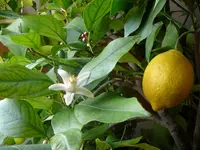
Meyer lemon, Citrus x limon 'Meyer', is a compact citrus tree grown mainly for its fragrant blossoms and sweet, thin-skinned fruit. It suits patios, balconies, and bright indoor spaces. The plant has glossy evergreen leaves, white flowers with a light scent, and a rounded, bushy habit that can be pruned to stay small. It originates from China and is popular in home gardens in mild climates. This cultivar is relatively easy if its needs for strong light, consistent moisture, and well-drained soil are met. Understanding how to care for Meyer Lemon helps new growers avoid common problems like leaf drop and poor fruiting.

Care Difficulty
Moderate Care

Light Preference
Full Sun

Water Requirements
Moderate Water

Temperature Preference
Tropical / Frost Sensitive

Hardiness Zone
9–11

Soil Texture
Sandy, Loamy, Organic-rich

Soil pH
Acidic (5.5–6.5), Slightly acidic (6.5–7.0)

Soil Drainage
Moist but well-drained

Fertilization
Moderate (every 2–4 weeks)
Scan your plant to receive care tips personalized for your specific plant
Available on iOS and Android
This citrus prefers strong light to produce flowers and fruit consistently.
This plant prefers evenly moist but never waterlogged soil.
Stable, mild temperatures support healthy growth and fruiting for this citrus.
This citrus prefers moderate humidity and reacts quickly to very dry indoor air.
Citrus x limon 'Meyer' needs a fast-draining, aerated mix that still holds moderate moisture.
This citrus is well-suited to container culture when the pot supports its woody, ultimately top-heavy growth.
This citrus benefits from consistent, moderate feeding to support fruiting and foliage health.
Thoughtful pruning keeps Citrus x limon 'Meyer' compact, productive, and easier to manage.
Container-grown plants appreciate periodic repotting to refresh soil and manage root density.
Home propagation of this lemon is most reliable from semi-hardwood cuttings rather than seeds.
This citrus is frost-tender and needs structured winter management in most temperate climates.

Plant Health Check
Not sure what's wrong with your plant? Check your plant's health inside the app.
This cultivar is believed to be a natural hybrid between a lemon and a mandarin or sweet orange, which explains its lower acidity, thinner skin, and sweeter, less sharp flavor compared with standard lemons.
The original clone was widely removed from US orchards in the mid‑20th century after it was identified as a carrier of citrus tristeza virus, and the plant now sold is a certified virus‑free selection introduced in the 1970s.
In indoor and patio conditions it often flowers and fruits in multiple flushes over the year rather than a single season, so one plant can hold blossoms, green fruit, and ripe fruit at the same time when growing Meyer Lemon is done under stable conditions.

The cultivar was first introduced to the United States in 1908 by agricultural explorer Frank N. Meyer, after whom it was named, as part of an early 20th‑century effort by the USDA to test and expand the diversity of commercially useful citrus in American agriculture.
Yellowing leaves usually result from overwatering, poor drainage, or nutrient deficiency, especially lack of nitrogen or iron. Check pot drainage, avoid waterlogged soil, and use a balanced citrus fertilizer according to Meyer Lemon care instructions.
Keep your plants happy and healthy with plant identification, disease detection, and easy care guidance.