15 Best Indoor Plants for Your Home
Every plant lover has a small graveyard behind them. Here is the twist... most of those plants did not die from bad care.

On this page
They died from bad matchmaking, like a sun lover parked in a dark hallway or a humidity fan stuck next to a radiator.
These 15 picks are the best houseplants for real homes and real schedules, each matched to the room where it thrives. Some forgive a month of neglect, some reward a little attention with show-stopping leaves. Start with the room. The plant comes second.
All options are good species for your home. Look at the table to find the right plant for room light, your watering habits and your pets:
Plant | Light | Care level | Toxicity | Size indoors |
Golden Pothos (Epipremnum aureum) | Low to bright indirect | Easy | Toxic to cats, dogs, humans (mild) | Vines 6–10 ft |
Snake plant (Dracaena trifasciata) | Low to bright, some direct sun | Easy | Toxic to cats, dogs (moderate) | 1–4 ft tall |
ZZ plant (Zamioculcas zamiifolia) | Low to bright indirect | Easy | Toxic to cats, dogs (mild), humans (moderate) | 2–3 ft tall |
Monstera (Monstera deliciosa) | Bright indirect | Easy | Toxic to cats, dogs, humans (mild) | 6–8 ft with support |
Spider plant (Chlorophytum comosum) | Medium to bright indirect | Easy | Non-toxic | 1–2 ft wide |
Peace lily (Spathiphyllum wallisii) | Low to medium indirect | Easy | Toxic to cats, dogs, humans (mild) | 1–3 ft tall |
Heartleaf philodendron (Philodendron hederaceum) | Low to bright indirect | Easy | Toxic to cats, dogs, humans (mild) | Vines 4–8 ft |
Rubber plant (Ficus elastica) | Bright indirect | Easy | Toxic to cats, dogs, humans (mild) | 6–10 ft tall |
Fiddle leaf fig (Ficus lyrata) | Bright, some direct sun | Moderate | Toxic to cats, dogs, humans (mild) | 6–10 ft tall |
Chinese evergreen (Aglaonema modestum) | Low to medium indirect | Easy | Toxic to cats, dogs, humans (mild) | 1–3 ft tall |
Parlor palm (Chamaedorea elegans) | Low to medium indirect | Easy | Non-toxic to pets, toxic to humans (mild) | 2–4 ft tall |
Cast iron plant (Aspidistra elatior) | Low, deep shade | Very easy | Non-toxic | 2–3 ft tall |
Prayer plant (Maranta leuconeura) | Medium indirect | Moderate | Non-toxic | Under 1 ft tall |
Aloe vera (Aloe vera) | Bright, direct sun | Easy | Toxic to cats, dogs (moderate), humans (mild) | 1–2 ft tall |
Boston fern (Nephrolepis exaltata) | Bright indirect | Moderate | Non-toxic to cats | 1–3 ft tall and wide |

1. Golden Pothos (Epipremnum aureum)
Epipremnum aureum
Pothos tops nearly every list of the best plants to grow indoors because it adapts to almost any spot, from a dim corner to a bright window. Its vines can trail up to 10 feet, so it works on shelves, in hanging pots or on a moss pole. It signals thirst clearly by drooping and recovers within hours of watering. Trimmed vines root in a glass of water in two to three weeks.
- Light Preference
- Bright Indirect Light
- Water Requirements
- Moderate Water
- Soil Texture
- Loamy, Peaty, Organic-rich




2. Snake Plant (Dracaena trifasciata)
Dracaena trifasciata
This plant is the answer for people who travel or forget to water. Its stiff leaves store water, so it needs a drink only every two to four weeks and even less in winter. It survives low light but grows faster and keeps brighter leaf edges near a window. The narrow shape fits beside a desk or door. The one thing it will not forgive is soggy soil.
- Light Preference
- Bright Indirect Light
- Water Requirements
- Low Water
- Soil Texture
- Sandy, Loamy, Organic-rich
3.
Zamioculcas zamiifolia
It stores water in potato-like rhizomes under the soil, which lets it go three to four weeks between waterings. Its glossy, waxy leaves look polished even under office lighting or in a north-facing room, making it a top pick for spaces with weak window light. This species grows slowly and rarely needs repotting. If stems turn yellow and soft, the cause is almost always too much water, not too little.
- Light Preference
- Partial Shade
- Water Requirements
- Low Water
- Soil Texture
- Sandy, Loamy
4. Monstera (Monstera deliciosa)
Monstera deliciosa
Monstera is the statement piece of this list and one of the most beautiful indoor plants you can grow without expert skills. In bright light it produces the famous split leaves, which can reach two feet across on mature plants. Water when the top two inches of soil are dry. Give it a moss pole as it grows: climbing support triggers bigger leaves with more holes, while an unsupported plant sprawls sideways.
- Light Preference
- Bright Indirect Light
- Water Requirements
- Moderate Water
- Soil Texture
- Loamy, Peaty, Organic-rich
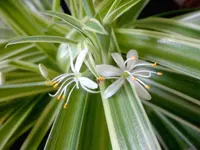
5. Spider Plant (Chlorophytum comosum)
Chlorophytum comosum
Spider plant earns its place by growing fast and multiplying for free. Healthy plants send out runners with baby plantlets that root within a week in water or soil, so one plant can supply your whole home. It handles average humidity, medium light and cool rooms down to about 55°F (12-13°C), which makes it ideal for kitchens and baskets. It is non-toxic to cats and dogs. Cats love to chew its leaves.
- Light Preference
- Bright Indirect Light
- Water Requirements
- Moderate Water
- Soil Texture
- Loamy, Sandy, Organic-rich

6. Peace Lily (Spathiphyllum wallisii)
Spathiphyllum wallisii
This is one of the few plants that reliably flowers indoors without direct sun. Its white blooms appear in spring and often again later in the year, even in medium light. It also tells you exactly when to water: the whole plant wilts, then stands back up within hours of a drink. Keep it out of reach of pets and children, as its leaves contain calcium oxalate crystals that irritate the mouth.
- Light Preference
- Bright Indirect Light
- Water Requirements
- Keep Soil Moist
- Soil Texture
- Loamy, Peaty, Organic-rich

Don’t know this plant?
Identify it with Botan App
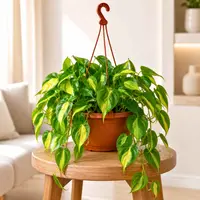
7. Heartleaf Philodendron (Philodendron hederaceum)
Philodendron hederaceum
Heartleaf philodendron looks like a softer version of pothos, with thin, heart-shaped leaves on trailing stems. It tolerates low light even better than pothos and grows steadily on a bookcase or on top of kitchen cabinets. Pinch the stem tips to make it bushier, then root the cuttings and plant them back in the same pot for a fuller look. Small, pale new leaves are a sign it needs a brighter spot.
- Light Preference
- Bright Indirect Light
- Water Requirements
- Moderate Water
- Soil Texture
- Loamy, Peaty, Organic-rich
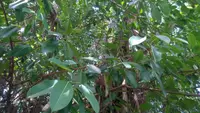
8. Rubber Plant (Ficus elastica)
Ficus elastica
This ficus gives you a tree shape without the mood swings of a fiddle leaf fig. Its thick, glossy leaves come in dark burgundy, pink-variegated 'Tineke' or plain green, and it copes well with the dry air of heated homes. In bright, indirect light it can add one to two feet a year. Cut the top stem in spring to make it branch, and wipe the leaves monthly so they stay shiny and absorb more light.
- Light Preference
- Bright Indirect Light
- Water Requirements
- Moderate Water
- Soil Texture
- Loamy, Sandy, Organic-rich

9. Fiddle-Leaf Fig (Ficus lyrata)
Ficus lyrata
Fiddle-leaf fig is the most wanted indoor tree in interior design, and it grows well once you know its rules. It needs the brightest spot you have, ideally with a few hours of direct morning sun, and steady watering whenever the top two inches of soil dry out. It hates being moved, and relocation often triggers leaf drop. Turn the pot a quarter turn every month to keep the trunk growing straight.
- Light Preference
- Bright Indirect Light
- Water Requirements
- Moderate Water
- Soil Texture
- Loamy, Organic-rich
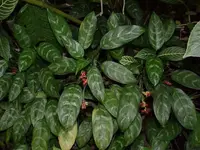
10. Chinese Evergreen (Aglaonema commutatum)
Aglaonema commutatum
Chinese evergreen proves that low-light plants do not have to be plain. Modern varieties such as 'Silver Bay', 'Siam Aurora' and 'Pink Dalmatian' have silver, red or pink patterned leaves. As a rule, dark green types handle lower light, while pink and red types need a brighter spot. It grows slowly and stays compact, which suits offices and desks. Keep it above 60°F (15°C), because drafts damage the leaves.
- Light Preference
- Bright Indirect Light
- Water Requirements
- Moderate Water
- Soil Texture
- Loamy, Peaty, Organic-rich

11. Parlor Palm (Chamaedorea elegans)
Chamaedorea elegans
It has been a houseplant since Victorian times because it handles low light better than almost any other palm. It grows slowly and stays two to four feet tall indoors for years, so it fits tabletops and corners without taking over a room. Keep the soil lightly moist. Nurseries usually plant several seedlings in one pot. Just leave them together for a fuller look.
- Light Preference
- Bright Indirect Light
- Water Requirements
- Moderate Water
- Soil Texture
- Loamy, Peaty, Organic-rich
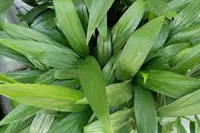
12. Cast Iron Plant (Aspidistra elatior)
Aspidistra elatior
Cast iron plant survives where nothing else will: dark hallways, cool entryways and spots several feet from a north window. Its broad, dark green leaves tolerate dry air, irregular watering and rooms as cool as about 45°F (7°C). The trade-off is slow growth, often just a few new leaves a year, so buy a full plant from the start. It is non-toxic to pets, which makes it a safe floor plant for homes with dogs.
- Light Preference
- Partial Shade
- Water Requirements
- Moderate Water
- Soil Texture
- Loamy, Clay, Organic-rich
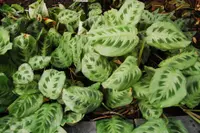
13. Prayer Plant (Maranta leuconeura)
Maranta leuconeura
The prayer plant is the most entertaining plant on this list. Its leaves lie flat during the day and fold upward at night, a daily movement called nyctinasty. The foliage has red veins and dark green blotches, and the plant stays compact, usually under a foot tall. It needs evenly moist soil and higher humidity, so a bathroom or a grouped shelf suits it best.
- Light Preference
- Bright Indirect Light
- Water Requirements
- Keep Soil Moist
- Soil Texture
- Loamy, Organic-rich
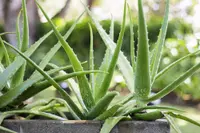
14. Aloe (Aloe vera)
Aloe vera
This one is the right choice for the sunniest windowsill in your home. It needs at least six hours of bright light a day, gritty cactus soil and water only when the soil is completely dry, usually every two to three weeks. Plant it in terracotta: the clay dries faster and is heavy enough to stop the top-heavy plant from tipping. Healthy plants produce pups around the base that you can pot up separately.
- Light Preference
- Full Sun
- Water Requirements
- Low Water
- Soil Texture
- Sandy, Rocky
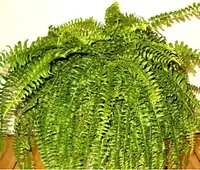
15. Boston Fern (Nephrolepis exaltata)
Nephrolepis exaltata
Boston fern is the classic choice for humid rooms. Its arching fronds can spread up to three feet, quickly filling a hanging basket or plant stand. It needs indirect light and soil that never dries out, and it thrives in bathrooms where shower steam keeps humidity high. In dry rooms, misting helps little. Group it with other plants or run a humidifier instead. If you provide consistent moisture and humidity, Boston fern can be one of the most rewarding plants for adding lush greenery to a room.
- Light Preference
- Bright Indirect Light
- Water Requirements
- Keep Soil Moist
- Soil Texture
- Loamy, Peaty, Organic-rich
Keep Plants Thriving
Get simple care guidance tailored to each plant’s needs in the app
How We Chose These Plants
We started with the plants that appear most often in US garden centers and in houseplant guides from university extension services, then kept only species that passed these checks:
- Long track record indoors. Every plant has been grown as a houseplant for decades and is covered in care guidance from the University of Minnesota, NC State and Clemson extension services.
- Easy to find. All of them are sold at most garden centers and home improvement stores, so you will not need a specialist nursery.
- Range of conditions. Together the list covers deep shade to direct sun, tabletop to floor size, and easy to moderate care, so every room in a home has several options.
Finally, it’s verified toxicity. Cat, dog and human status comes from veterinary and poison control sources, including the ASPCA and Pet Poison Helpline.
FAQ
Usually not. Give it two to three weeks to adjust to your light and humidity first, because repotting a stressed plant adds a second shock. The exception is a severely root-bound plant, with roots circling the surface or growing out of the drainage holes. When you do repot, choose a pot only 1–2 inches wider than the old one.
Found this helpful?
Add Botan as a preferred source on Google.
Alex Yar
Plant Expert
7+ years of experience studying plants, researching their diseases, and examining their characteristics.
Alex has spent many years studying plants, including how they respond to environmental factors, common health problems, and species-specific characteristics. He has a passion for plants and extensive practical experience caring for them, identifying signs of stress and disease, and helping them recover.
Related Articles
8 min read · 6 Nov 2026
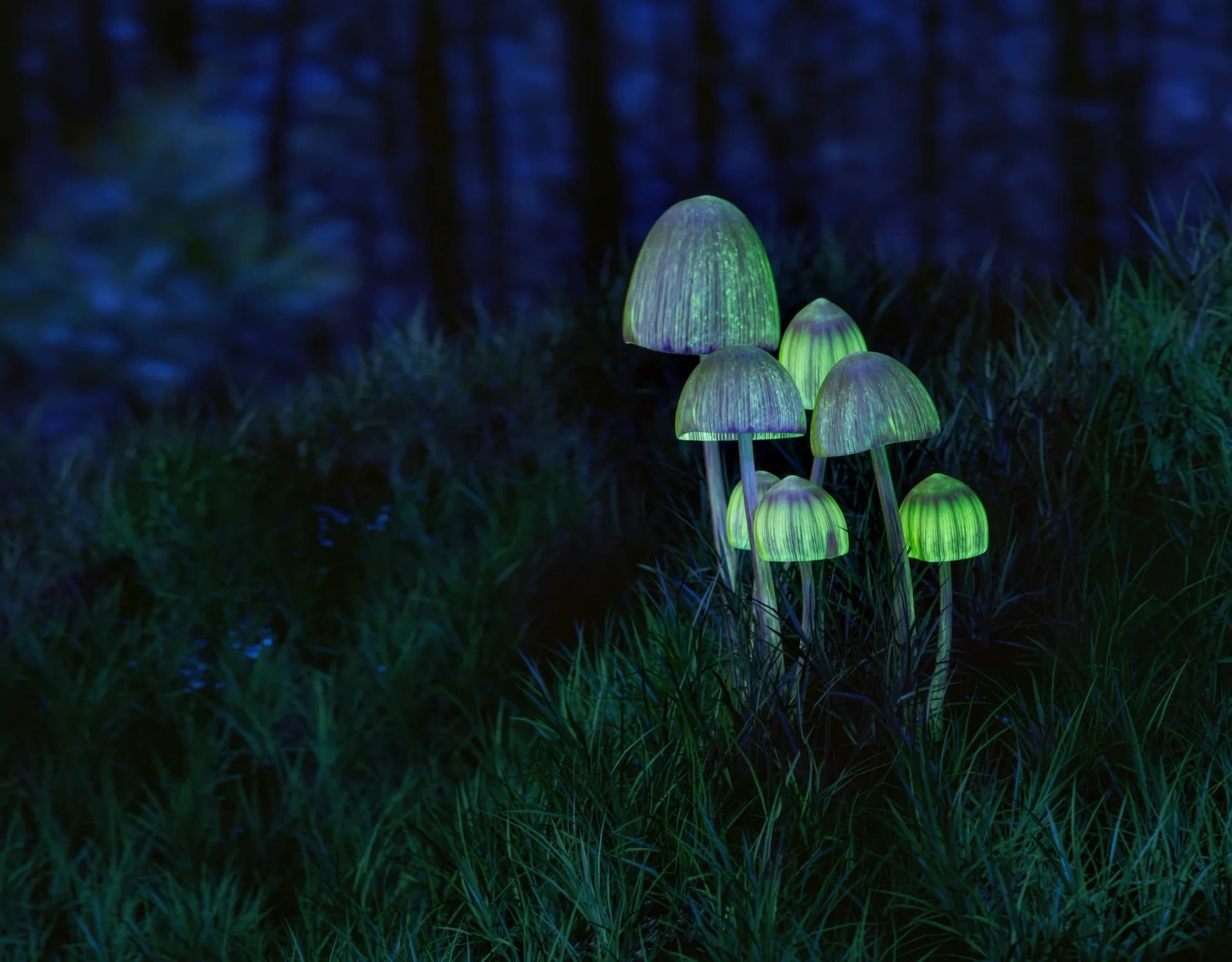
8 Glow-in-the-Dark Plants and Fungi That Really Exist
Plants that glow in the dusk really exist. Some of them produce their own light, while others need UV exposure or special treatments. Explore eight fascinating examples, including glowing petunias, bioluminescent mushrooms, fluorescent flowers, and experimental succulents.
4 min read · 20 Oct 2026
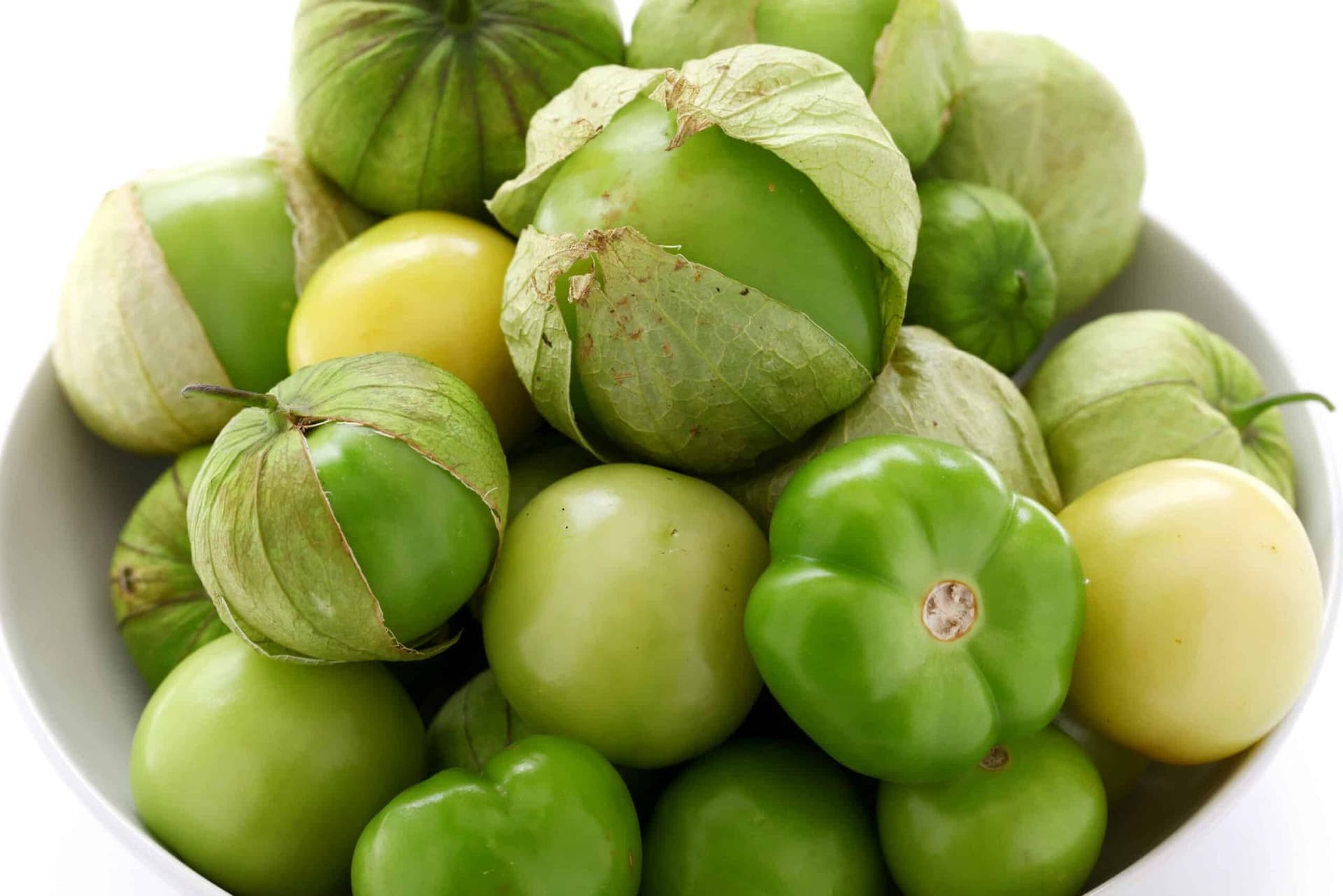
When to Harvest Tomatillos: How to Tell When They're Ripe
Tomatillos grow inside papery husks, making it hard to judge ripeness at a glance. This guide explains how to know when tomatillos are ripe and offers practical advice on harvesting and storage.
8 min read · 16 Oct 2026
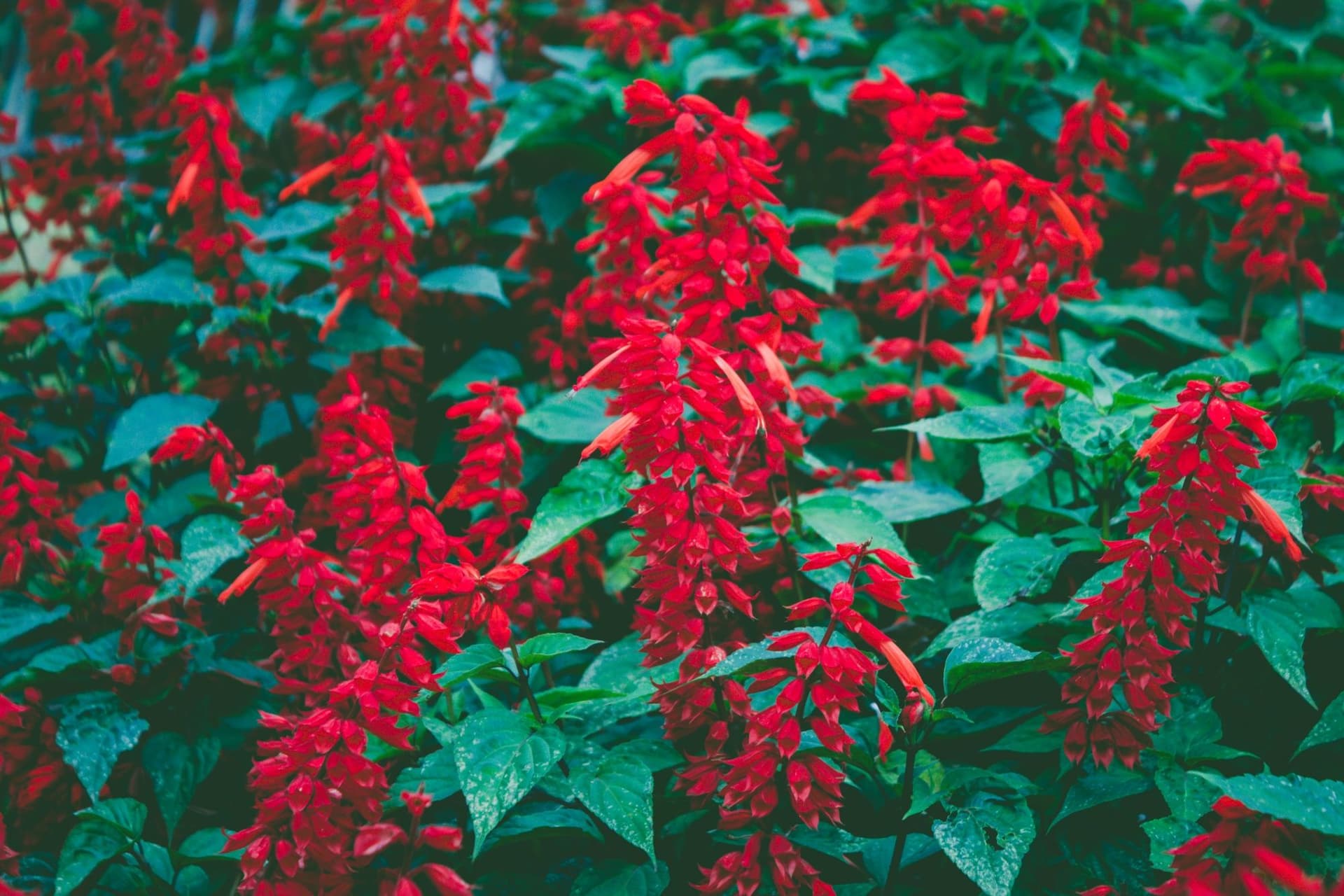
20 Funny Plant Names That Make You Laugh
Some plants carry names that sound like jokes. This guide explains the origins of 20 funny plant names. You will also see which of these plants you can grow at home.
More Houseplants for Growing at Home
Strobilanthes tomentosa
Strobilanthes tomentosa

Tillandsia australis
Tillandsia australis
Philodendron 'Cobra'
Philodendron 'Cobra'
Tree Philodendron
Philodendron 'African Fantasy'
Pilea imparifolia
Pilea imparifolia
Powder Orchid
Polystachya cultriformis

Nertera villosa
Nertera villosa
Peperomia 'Orba Lime'
Peperomia 'Orba Lime'
Identify the plant and problem. Help your plant recover
Identify plant problems early, understand what's wrong, and get clear care guidance. Botan helps you turn guesswork into confident plant care