Philodendron 'Cobra' Care

About Philodendron 'Cobra'

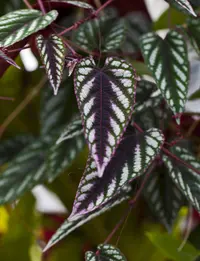
Philodendron 'Cobra' is a compact, climbing aroid grown mainly as an indoor foliage plant. It is valued for its striking variegated leaves with cream and green patterns. The leaves are often slightly elongated and may develop a gentle twist, giving the plant a textured, architectural look as it matures.

This cultivar is typically grown in containers with a moss pole or support, where it can form a dense, vertical display. It originates from hybrid breeding based on tropical Philodendron species, so it prefers warm, stable indoor conditions.

Its moderate growth rate and tolerance of typical household humidity make it manageable for many homes. To care for Philodendron 'Cobra', provide bright, indirect light, a well-draining potting mix, and consistently lightly moist, not waterlogged, soil.

Main Plant Requirements

Care Difficulty

Easy Care

Light Preference

Bright Indirect Light

Water Requirements

Moderate Water

Temperature Preference

Tropical / Frost Sensitive

Hardiness Zone

11–12

Soil Texture

Loamy, Peaty, Organic-rich

Soil pH

Acidic (5.5–6.5), Slightly acidic (6.5–7.0)

Soil Drainage

Moist but well-drained

Fertilization

Light (every 4–6 weeks)

Get Personalized Care Plan

Scan your plant to receive care tips personalized for your specific plant

Available on iOS and Android

How to Care for the Philodendron 'Cobra'

This plant prefers bright, indirect light that protects its variegated leaves from scorching.

  • Provide 6–8 hours of bright, filtered light daily, such as near an east or north window or under a sheer curtain with no direct midday sun.
  • Tolerates light shade, but in very low light the cream patterning on Philodendron 'Cobra' may fade and stems can stretch toward the light source.
  • In summer, shield from strong afternoon sun that can cause brown, crispy patches; in winter, move closer to windows to compensate for shorter days.

This species prefers evenly moist but not saturated soil with brief drying between waterings.

  • Water when the top 2–4 cm of soil feels dry, using enough water to moisten the whole root zone, then let excess drain away fully.
  • Reduce watering in autumn and winter as growth slows, allowing the top 4–5 cm to dry, but never let the potting mix become dusty or pull away from the container sides.
  • Watch for soft, yellowing lower leaves and a sour smell as signs of overwatering, and for drooping, thin leaves and dry, crisp edges as signs of underwatering.

This plant grows best in stable, warm conditions without sudden temperature swings.

  • Aim for 65–80°F (18–27°C) for active growth; short periods up to 85°F (29°C) are tolerated if humidity and watering are consistent.
  • Avoid temperatures below 55°F (13°C); chilling injury can appear as dark, mushy patches and leaf drop after even brief exposure to colder conditions.
  • Protect from frost, cold drafts, and hot air from heaters or vents; during winter, keep it away from poorly insulated windows where nighttime temperatures can drop sharply.

This plant prefers moderately humid air but usually adapts to typical home conditions.

  • Aim for 50–60% humidity to keep foliage plump and minimize brown tips.
  • It tolerates short periods of drier air, but edges crisping or leaf curling signal humidity stress.
  • Increase humidity with a nearby humidifier, grouped plants, or a pebble tray rather than misting Philodendron 'Cobra' heavily.

This species grows best in a loose, airy, organic-rich substrate that drains quickly but holds some moisture.

  • Use a mix of roughly 40% peat or coco coir, 30% perlite, and 30% fine orchid bark for structure and aeration.
  • Aim for slightly acidic to neutral pH around 6.0–7.0, which supports nutrient availability and root health.
  • Avoid dense garden soil or mixes heavy in clay that stay wet, which can lead to root rot and fungal issues.
  • To improve drainage in existing mixes, blend in extra perlite or bark chips rather than adding gravel at the bottom.

This plant is very suitable for container growing in homes and sheltered outdoor spaces.

  • Choose a container with multiple unobstructed drainage holes so water exits quickly after each watering.
  • Select a slightly heavy or wide-based pot to stabilize the plant as its climbing or vining growth adds top weight.
  • Use a tall pot or one with an attached support so roots and aerial roots can anchor near a moss pole or trellis.

Consistent but moderate feeding supports steady growth and strong variegation in Philodendron 'Cobra'.

  • Use a balanced liquid fertilizer (around 10-10-10 or 20-20-20) diluted to 1/4–1/2 strength for container plants.
  • Feed every 4–6 weeks during spring and summer when growth is active.
  • Reduce or stop fertilizing in fall and winter when light and growth slow.
  • Slow-release granules or a thin layer of well-rotted compost can supply a gentle, long-term nutrient source.

Light, targeted pruning keeps Philodendron 'Cobra' compact, healthy, and tidy indoors.

  • Carry out most pruning in spring or early summer, when recovery is fastest.
  • Remove yellow, dead, damaged, or pest-infested leaves at the base of the petiole to limit disease spread.
  • Thin crowded stems to improve airflow and light penetration, encouraging fuller growth.
  • Use clean, sharp scissors or pruning shears, disinfecting blades before and after use.

Container-grown plants benefit from occasional repotting to refresh soil and support continued growth.

  • Plan to repot every 2–3 years in spring, or when roots circle the pot, emerge from drainage holes, or growth slows.
  • Choose a pot 2–5 cm wider with drainage and use a chunky, airy aroid mix to prevent waterlogging.
  • Water lightly before repotting, gently loosen the root ball, and trim only dead or mushy roots.
  • After repotting, water thoroughly once, then keep in bright, indirect light with slightly reduced watering for 1–2 weeks to limit root stress.

New plants are most often produced from stem cuttings taken from healthy Philodendron 'Cobra' vines.

  • Take 1–2 node stem cuttings in late spring or summer, each with at least 1 leaf and a visible node.
  • Root cuttings in water or a moist, well-draining mix, keeping temperatures around 70–80°F and humidity above 50–60%.
  • Ensure nodes are submerged (in water) or buried (in mix) while leaves stay above the surface.
  • Once strong roots form, pot into a small container and maintain gentle, indirect light until growth is established.

This tropical plant is frost-sensitive and needs mild, stable indoor conditions in winter.

  • Keep indoor temperatures around 65–75°F and avoid exposure below 55°F to prevent cold damage.
  • Move any outdoor containers indoors before the first frost, placing them away from drafts and cold windows.
  • Reduce watering frequency, but do not let the root ball dry out completely in heated, low-humidity rooms.
  • Avoid direct contact with very cold glass; use a stand or move the pot slightly inward to protect foliage.

Care Tips

Provide climbing support

Install a moss pole or sturdy trellis early and gently tie stems with soft plant ties, which encourages stronger, more upright growth and larger, well-patterned leaves.

Rotate for even variegation

Turn the pot 90° every 2–3 weeks so different sides face the light, which reduces lopsided growth and helps maintain more even variegation across the plant.

Use quarantine routine

When adding new plants nearby, keep them in a separate area for 2–3 weeks and inspect weekly with a hand lens so pests like spider mites or mealybugs are caught before reaching this plant.

Refresh aerial roots

Mist or gently press aerial roots against a damp moss pole or support, which helps the plant anchor better and improves overall stability and nutrient uptake from the potting mix.

Plan repot timing

Schedule repotting for late spring, increasing pot diameter by only 2–5 cm and handling roots carefully to reduce stress and help growing Philodendron 'Cobra' adjust quickly.

Common Pests and Diseases

Spider mites

This pest feeds on the undersides of leaves, causing fine stippling, dulling of variegation, and sometimes fine webbing, especially in dry indoor air.

Solution

Rinse foliage thoroughly with lukewarm water, including leaf undersides, then repeat every few days for 1–2 weeks; maintain 40–60% humidity and isolate the plant. For persistent infestations, apply an insecticidal soap or neem oil spray directed to leaf undersides and stems according to label directions.

Mealybugs

These insects appear as white, cottony clusters in leaf axils, along stems, and sometimes on roots, leading to sticky honeydew and gradual leaf yellowing or distortion.

Solution

Physically remove visible clusters with cotton swabs dipped in 70% isopropyl alcohol, then rinse the plant and inspect weekly. For ongoing issues, use an insecticidal soap or horticultural oil spray, ensuring full coverage of crevices and repeating applications until no new insects appear.

Scale insects

This pest forms small, tan to brown dome-shaped bumps on stems and leaf midribs, siphoning sap and causing slow decline, leaf drop, and reduced growth.

Solution

Scrape or wipe off individual scales with a soft cloth or cotton swab and prune heavily infested stems. Follow with repeated applications of horticultural oil or insecticidal soap, focusing on stems and leaf veins, and keep the plant isolated until new growth appears clean.

Bacterial leaf spot

This disease causes water-soaked, translucent spots that may turn brown with yellow halos, often spreading in conditions with standing water on leaves and poor air circulation.

Solution

Remove and discard affected leaves, avoid overhead watering, and increase airflow around the plant. Keep foliage dry, sterilize tools, and if spread continues, consider discarding severely affected plants to protect nearby aroids.

Pythium root and stem rot

This disease favors chronically wet, poorly drained potting mix and leads to black, mushy roots, stem base collapse, and rapid decline of foliage.

Solution

Discard heavily rotted plants; mildly affected plants can be saved by trimming all soft roots, repotting into a fresh, airy aroid mix, and watering only when the top 3–5 cm of soil are dry. Use clean pots, avoid standing water in cachepots, and provide warm, stable conditions to support recovery when trying to grow Philodendron 'Cobra' in indoor containers.

Interesting Facts

Variegation from parentage

This cultivar is a variegated selection of Philodendron hederaceum, with its cream and light-green patterning resulting from a stable chimeric mutation inherited and fixed through clonal propagation rather than arising in each plant independently.

Patterned, marbled leaves

Unlike many philodendron cultivars that show large color blocks, this plant typically displays fine marbling and speckling, so even leaves on the same vine show slightly different variegation patterns, giving each plant a visually distinct appearance.

Compact climbing habit

Although derived from a vining species, this cultivar often grows more compactly and slowly than typical green P. hederaceum, which makes it easier to maintain as a long-term tabletop or shelf specimen without frequent pruning.

FAQs about Philodendron 'Cobra'

This cultivar is a vining aroid that naturally climbs. It produces long, flexible stems that attach to supports with aerial roots. Without support, it tends to trail or sprawl rather than form an upright self-supporting clump.

Grow Healthy Plants with Botan Care

Keep your plants happy and healthy with plant identification, disease detection, and easy care guidance.

Botan plant care app — identify plants on mobile

Explore More Plants