Mounting on Bark
Attach the root ball to cork bark or a fern board with sphagnum and soft ties to mimic epiphytic growth and improve air flow around the roots.

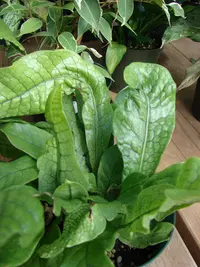
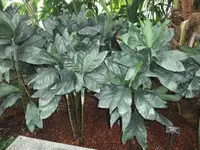
Microsorum musifolium is an epiphytic fern, often called crocodile fern, valued for its textured, scale-like fronds and compact, arching growth. It usually grows on trees or mossy surfaces in nature rather than in soil.
This species is native to tropical forests of Southeast Asia, where it thrives in warm, humid, and shaded environments beneath the forest canopy. Its thick, patterned leaves and creeping rhizomes make it quite resilient to brief dryness but sensitive to harsh sun and low humidity.
For indoor growers, it adapts well to stable indoor temperatures, moderate indirect light, and evenly moist, airy substrates, which makes it relatively manageable to care for Microsorum musifolium.

Care Difficulty
Moderate Care

Light Preference
Bright Indirect Light

Water Requirements
Keep Soil Moist

Temperature Preference
Tropical / Frost Sensitive

Hardiness Zone
10–11

Soil Texture
Loamy, Peaty, Organic-rich

Soil pH
Acidic (5.5–6.5), Slightly acidic (6.5–7.0)

Soil Drainage
Moist but well-drained

Fertilization
Light (every 4–6 weeks)
Scan your plant to receive care tips personalized for your specific plant
Available on iOS and Android
This fern prefers soft, filtered light that mimics dappled forest shade.
Moist but not waterlogged conditions support healthy rhizomes and fronds.
Stable, warm conditions encourage steady growth and reduce stress on the fern.
This fern prefers humid air and reacts quickly to dryness.
This fern prefers loose, airy, organic-rich soil that mimics forest floor conditions.
This species is well suited to container culture and adapts to both tabletops and hanging displays.
This fern benefits from light feeding, as Microsorum musifolium is sensitive to excess salts and strong fertilizers.
Pruning focuses on hygiene and maintaining a neat, airy clump on Microsorum musifolium.
This fern prefers slightly snug pots but benefits from careful repotting when clearly root-bound.
Propagation of this fern is most reliable by division of the creeping rhizomes rather than from spores.
This tropical fern is frost-sensitive and needs mild, stable conditions through winter.

Plant Health Check
Not sure what's wrong with your plant? Check your plant's health inside the app.
The fronds develop a raised, netted vein pattern that closely resembles crocodile skin, caused by prominent reticulate venation that becomes more textured as the leaf matures.
In the wild this fern often grows as an epiphyte on tree trunks and branches in Southeast Asian rainforests, anchoring with roots to bark rather than soil while absorbing moisture and nutrients from rain and debris.
Its fronds are thicker and more leathery than many common ferns, an adaptation that helps reduce water loss and withstand brighter, more variable light in exposed canopy and forest-edge habitats.

Researchers have noted that this species is frequently collected and traded in the international ornamental plant market because of its unusually textured fronds, and wild populations in some parts of its native range have shown signs of decline where collection pressure is high.
Brown tips or patches usually come from low humidity, excess fertilizer salts, or letting the potting mix fully dry out. Check for cold drafts, flush the substrate occasionally, and maintain consistently lightly moist, airy conditions around the roots.
Keep your plants happy and healthy with plant identification, disease detection, and easy care guidance.