Cymbidium sinense Care

Cymbidium sinense

About Cymbidium sinense

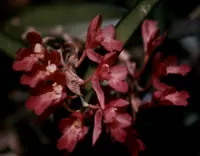
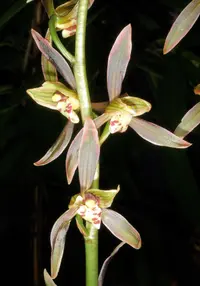
Cymbidium sinense is a terrestrial orchid known for its slender arching leaves and elegant flower spikes that often carry many small, fragrant blooms. Flowers come in muted tones of green, yellow, or brown, sometimes with striking patterns.

This species is native to East Asia, where it grows in cooler, upland habitats with good air movement and filtered light. Its preference for moderate temperatures and stable conditions means it is not the easiest beginner orchid, but it is manageable with consistent care.

Those learning how to care for Cymbidium sinense should focus on bright, indirect light, evenly moist but free-draining substrate, and protection from extreme heat or cold.

Main Plant Requirements

Care Difficulty

Moderate Care

Light Preference

Partial Shade

Water Requirements

Regular Water

Temperature Preference

Cool Climate

Hardiness Zone

9–11

Soil Texture

Loamy, Peaty, Organic-rich

Soil pH

Acidic (5.5–6.5)

Soil Drainage

Moist but well-drained

Fertilization

Moderate (every 2–4 weeks)

Get Personalized Care Plan

Scan your plant to receive care tips personalized for your specific plant

Available on iOS and Android

How to Care for the Cymbidium sinense

This orchid prefers bright, gentle light that mimics high, filtered forest or balcony conditions.

  • Provide 4–6 hours of bright, indirect light daily, with soft morning sun and protection from harsh midday and afternoon rays.
  • Allow light shade, especially in summer; dappled light under a tree or 30–50% shade cloth suits Cymbidium sinense well.
  • Watch foliage color: medium green indicates correct light, dark soft leaves mean too little light, and yellowed or scorched patches signal excess sun.

Watering should keep the root zone moist but never saturated or stagnant.

  • Water when the top 2–3 cm of the mix feels dry, using thorough soakings that drain freely, then let excess water run off completely.
  • Increase watering frequency in active growth and hot weather, then reduce in late autumn and winter while avoiding a fully dry potting mix.
  • Monitor for symptoms: limp, wrinkled pseudobulbs and dry leaf tips suggest underwatering, while blackened roots, musty smell, or yellowing lower leaves indicate overwatering.

Temperature swings influence growth and flowering more than many growers realize.

  • Aim for 65–80°F (18–27°C) by day and 50–60°F (10–16°C) at night during active growth for steady development.
  • In late summer to autumn, provide cooler nights around 45–55°F (7–13°C) for several weeks to promote Cymbidium sinense flower spike initiation.
  • Protect plants from frost below 32°F (0°C) and from prolonged heat above 90°F (32°C); offer shade and airflow in hot spells and shelter from cold winds.

This orchid prefers moderate humidity but adapts to many home environments if extremes are avoided.

  • Aim for 40–60% humidity; short dips slightly below are tolerated if watering is consistent.
  • Dry air causes wrinkled pseudobulbs, limp leaves, and prematurely fading flowers, especially in heated rooms.
  • Increase humidity with a pebble tray under the pot, grouping plants together, or using a room humidifier placed nearby.

This terrestrial orchid needs a loose, fast-draining, yet moisture-retentive mix rather than dense garden soil.

  • Use a mix of fine fir bark or orchid bark, perlite, and coarse peat or coco coir to create a fibrous, airy structure.
  • Ensure rapid drainage so water runs through within seconds, leaving the mix slightly moist but never soggy.
  • Target a slightly acidic pH around 5.5–6.5, which supports nutrient uptake for Cymbidium sinense and reduces salt issues.
  • Avoid heavy clay, compacted potting soil, or mixes with a high proportion of fine peat that collapse and suffocate roots.

This species is well suited to container growing when the pot supports its upright, clumping growth habit.

  • Choose a tall, slightly heavy pot to counterbalance the narrow, upright foliage and prevent tipping in wind.
  • Select a container material that breathes slightly, such as unglazed clay, to help excess moisture escape from the dense root zone.
  • Leave a small unfilled margin at the rim so surface water can drain freely without washing bark and mix out of the pot.

Consistent, moderate feeding supports strong growth and flowering in Cymbidium sinense.

  • Use a balanced orchid fertilizer (around 20-20-20) at 1/2–1/4 strength in water-soluble form.
  • Feed every 2–3 weeks during active growth in spring and summer, when new shoots and roots develop.
  • In autumn, reduce frequency to monthly, then stop or feed very lightly in winter dormancy.
  • Optionally alternate with a mild organic source such as dilute compost tea for trace elements.

Thoughtful pruning keeps Cymbidium sinense tidy and channels energy into healthy pseudobulbs and flowers.

  • Prune mainly after flowering, using clean, sharp scissors or pruning shears to limit tissue damage.
  • Cut spent flower spikes back to their base once blooms fade to encourage future flowering.
  • Remove dead, yellow, or rotting leaves and pseudobulbs, plus clearly damaged tissue, at any time.
  • Thin very crowded clumps slightly during division to improve air circulation and light penetration.

Repotting maintains root health and prevents old, sour media from stressing Cymbidium sinense.

  • Plan to repot every 2–3 years, or when roots circle the pot, push upward, or growth becomes noticeably slow.
  • Choose late winter to early spring, just after flowering and before strong new root growth starts.
  • Gently loosen and trim dead, mushy roots, keeping firm white or green roots to minimize transplant shock.
  • Replant in a slightly larger pot with fresh, free-draining orchid mix, then keep shaded and slightly drier for 1–2 weeks.

Division is the standard method for increasing Cymbidium sinense plants while preserving flower traits.

  • Divide mature clumps in late winter or early spring, after flowering and before vigorous new growth.
  • Remove the plant from its pot, shake off old mix, and separate into sections with 3–5 healthy pseudobulbs each.
  • Use a sterile knife or shears, dusting cut surfaces lightly with fungicide or cinnamon to reduce rot risk.
  • Pot divisions in fresh orchid mix, keep in bright, indirect light, and maintain evenly moist, not waterlogged, conditions until established.

Cool but not freezing winter conditions help set flower spikes on Cymbidium sinense.

  • Tolerates light chills but is damaged by hard frost; aim to keep above 32°F, ideally 35–45°F at night.
  • Move containers indoors or into a cold greenhouse when sustained frost is forecast.
  • Ensure bright light and good air movement while slightly reducing watering in winter.
  • Mulch outdoor plantings lightly around the root zone in marginal climates to buffer sudden temperature drops.

Care Tips

Cool-rest management

From late autumn to mid-winter, give the plant a pronounced cool rest at 45–55°F nights for 6–8 weeks while keeping it just slightly moist, which strongly encourages reliable spike initiation.

Spike orientation control

As soon as spikes emerge, keep the plant in one fixed orientation to the light and gently stake spikes early with soft ties so flowers develop upright and are less likely to twist or break.

Division timing

Only divide mature clumps after flowering when each division can retain at least 4–5 healthy pseudobulbs, and trim any dead roots before potting to reduce stress and improve re-establishment.

Potting height precision

When repotting, position pseudobulbs just at or slightly above the medium surface instead of burying them, which reduces rot risk and allows new shoots to emerge cleanly.

Preventing leaf scorch

In hot, bright climates, use 40–60% shade cloth or set the plant behind sheer curtains during the strongest midday sun to avoid marginal leaf burn while still providing light levels suitable for caring for Cymbidium sinense.

Common Pests and Diseases

Cymbidium mosaic virus

This disease causes dark streaks, mottling, or feathered patterns on leaves and flowers, often reducing vigor and flower quality over time. Symptoms include distorted flower color and reduced blooming on otherwise well-cared-for plants.

Solution

Immediately isolate any suspected plants, then confirm by test kit or professional diagnosis if possible; there is no cure, so remove and destroy severely affected plants to prevent spread. Disinfect tools with 10% bleach or 70% alcohol between plants, avoid sap transfer when dividing clumps, and source new divisions from virus-tested stock as part of careful Cymbidium sinense care.

Cymbidium ring spot virus

This disease produces circular or ring-like spots, streaks, or necrotic patches on leaves and sometimes on flower spikes, leading to gradual decline. Symptoms include markings that persist and slowly spread to new growth over time.

Solution

Quarantine any plant showing suspicious ring patterns and seek confirmation through virus testing; once confirmed, remove and discard heavily infected plants to protect the rest of the collection. Disinfect cutting tools after each plant, control sap-sucking insects that may vector viruses, and only divide or share healthy, symptom-free plants.

Soft scale

These insects appear as small, smooth, dome-shaped bumps on pseudobulbs, leaves, and flower spikes, producing sticky honeydew that can lead to sooty mold. This pest weakens plants by sucking sap, causing yellowing leaves and poor flowering.

Solution

Manually remove visible scale with a cotton swab dipped in 70% alcohol, then wash plant surfaces with lukewarm water and mild insecticidal soap, focusing on leaf bases and sheaths. Improve air movement around plants, avoid excessive nitrogen fertilization that promotes soft growth, and repeat treatments every 7–10 days until no new scale appear.

Spider mites

These pests are tiny, often invisible without magnification, and cause fine yellow speckling on leaves, leading to a dull, dusty appearance and possible webbing on undersides. This pest thrives in warm, dry conditions often found in indoor or under-cover Cymbidium culture.

Solution

Rinse foliage thoroughly with a strong but gentle stream of water, especially the leaf undersides, then apply a miticide or horticultural oil labeled for orchids, following directions closely. Increase humidity to 50–70%, improve air circulation, and inspect plants weekly, treating again if new damage or mites are seen.

Brown leaf spot (fungal)

This disease causes small, water-soaked spots on leaves that turn brown, sometimes with a yellow halo, and may coalesce into larger lesions under humid, crowded conditions. Symptoms include premature leaf yellowing and unsightly blemishes that reduce photosynthesis and flowering potential.

Solution

Remove and discard affected leaves or leaf sections with sterilized tools, then improve spacing and airflow so foliage dries quickly after watering. Water early in the day at the base of the plant, avoid wetting leaves and pseudobulbs, and apply a fungicide labeled for ornamental orchids if new spots continue to appear.

Interesting Facts

Fragrant winter bloomer

This species often flowers in late winter to early spring and is known in East Asia for its subtle, long-lasting fragrance, which is stronger in cooler conditions and in the evening.

Long cultural history

C. sinense has been cultivated in China for over a thousand years and is one of the classic four Chinese orchids, traditionally valued more for leaf shape, posture, and scent than for large or showy flowers.

Leaf and flower diversity

There are many horticultural forms of this species, including cultivars with striped, variegated, or twisted leaves and forms with different flower colors and lip patterns, making it a major subject of traditional orchid breeding in East Asia.

Botan icon

Did you know?

Classical Chinese orchid appreciation developed a detailed vocabulary and evaluation system specifically around this species, judging plants on subtle features such as leaf arch, pseudobulb spacing, flower fragrance tone, and even the visual harmony between the plant and its pot, making Cymbidium sinense one of the most culturally codified ornamental plants in East Asia.

FAQs about Cymbidium sinense

Lack of flowering usually comes from insufficient light, no cool period in autumn, or overcrowded, old pseudobulbs. Provide brighter but indirect light, a distinct cooler season, balanced fertilization, and divide or repot when clumps become very tight.

Grow Healthy Plants with Botan Care

Keep your plants happy and healthy with plant identification, disease detection, and easy care guidance.

Botan plant care app — identify plants on mobile

Explore More Plants