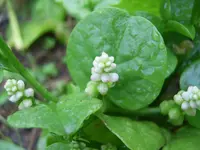
melon loco Care (Apodanthera undulata)

melon loco

About melon loco

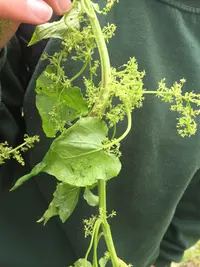
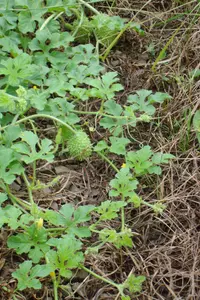
Melon loco, Apodanthera undulata, is a vining cucurbit native to arid and semi-arid regions of the southwestern United States and northern Mexico. It produces climbing or trailing stems with tendrils, lobed leaves, and small, often striped or mottled fruits.

In habitat, it typically grows in dry, rocky sites and desert grasslands, showing good heat and drought tolerance once established. This natural toughness can make it appealing to gardeners, but its need for strong light and sharply draining soil can challenge beginners. Understanding how to care for melon loco starts with replicating its sunny, low-moisture environment as closely as possible.

Main Plant Requirements

Care Difficulty

Moderate Care

Light Preference

Full Sun

Water Requirements

Low Water

Temperature Preference

Warm Climate

Hardiness Zone

9–11

Soil Texture

Sandy, Loamy, Rocky

Soil pH

Slightly acidic (6.5–7.0), Neutral (7.0)

Soil Drainage

Well-drained

Fertilization

Minimal (feed rarely)

Get Personalized Care Plan

Scan your plant to receive care tips personalized for your specific plant

Available on iOS and Android

How to Care for the melon loco

This desert vine needs strong light and warmth to flower and fruit well.

  • Provide 6–10 hours of direct sun daily; full sun is best in open, arid or semi-arid sites.
  • In very hot regions, give melon loco light afternoon shade or filtered sun to reduce leaf scorch and conserve soil moisture.
  • Watch stems and leaves: long, pale, weak growth indicates too little sun, while crisping or bleached patches suggest excessive, intense exposure.

This species is drought-tolerant and prefers thorough but infrequent watering.

  • Water only when the top 3–5 cm of soil are completely dry, then soak deeply so moisture reaches the full root zone.
  • Use fast-draining, sandy or gravelly soil; standing water or heavy clay greatly increases root-rot risk for Apodanthera undulata.
  • In the main growing season, monitor for slight leaf droop as a cue to water; yellowing, soft stems point to overwatering, while brittle tips signal prolonged drought stress.

This warm-season vine thrives in hot, dry climates and reacts poorly to cold.

  • Aim for 70–90°F (21–32°C) during active growth for best vining and flowering.
  • Protect from cold; growth slows sharply below 60°F (16°C), and foliage or roots may be damaged near 32°F (0°C).
  • The plant tolerates brief heat up to about 100–105°F (38–41°C) if soil is not waterlogged, but prolonged extremes combined with strong wind can cause leaf scorch and flower drop.

This desert vine tolerates low humidity and usually does not need special humidity management indoors or outdoors.

  • Aim for 20–40% relative humidity, similar to arid indoor air, which matches its native dry habitats.
  • Leaves that soften, yellow at tips, and collapse are more likely from overwatering or root issues than low humidity.
  • If air is extremely dry and hot, reduce stress by shading during peak heat and keeping soil from fully baking between waterings.

This species prefers fast-draining, sandy soil that mimics arid, rocky habitats.

  • Use a gritty mix such as 40% cactus potting mix, 40% coarse sand, and 20% pumice or perlite to keep roots aerated.
  • Aim for slightly alkaline to neutral pH around 7.0–8.0, avoiding highly acidic mixes that can limit nutrient availability.
  • Ensure water drains through within seconds; amend heavy or clay soil with coarse sand and mineral grit to prevent water retention.
  • Avoid peat-heavy, compact, or waterlogged substrates, which promote tuber and root rot in Apodanthera undulata.

This species adapts well to container culture when given a deep, stable pot that suits its vining and tuberous growth.

  • Choose a deep, heavy container that anchors climbing vines and prevents tipping in wind or on balconies.
  • Select unglazed clay if extra evaporation is needed, or thicker plastic in very hot, dry climates to slow moisture loss.
  • Position the pot where trailing or climbing stems can be tied to a support, keeping weight balanced close to the container.

This desert vine is adapted to low fertility soils, so fertilizer for melon loco should be modest and targeted to the active growing season.

  • Use a light application of balanced NPK fertilizer (such as 10-10-10) or a thin layer of compost in spring once new growth starts.
  • Feed every 4–6 weeks during the warm growing season if growth is in poor, sandy soil; skip feeding in richer ground.
  • Apply at half the label-recommended strength to avoid soft, weak growth and salt buildup in dry climates.
  • Stop feeding in late summer and avoid fertilizing during winter dormancy to let tissues harden and rest.

Pruning Apodanthera undulata is mainly about tidying the vine and managing its vigor rather than heavy shaping.

  • Best time is late winter to very early spring, before new shoots extend strongly.
  • Remove dead, damaged, or crossing stems with clean, sharp bypass pruners to reduce disease entry.
  • Shorten overly long, tangled shoots to control spread and maintain support coverage without over-thick shading.
  • Light pruning encourages sturdier framework growth while preserving flowering on current-season shoots.

Apodanthera undulata is more often grown in the ground, so transplanting young plants matters more than frequent repotting.

  • Transplant in late spring once soil is warm and frost risk has passed, as roots prefer consistent warmth.
  • Look for signs like roots circling the pot, water running straight through, or stalled top growth before upsizing containers.
  • Move to a slightly larger pot or ground site with gritty, very well-drained soil to prevent root rot.
  • Handle the root ball gently, keep roots shaded and moist during the move, then water deeply once to settle soil and reduce stress.

This species is usually propagated from seed, with some attempts from cuttings in warm, controlled conditions.

  • Sow fresh seeds in late spring in a gritty, fast-draining mix, as warmth is important for germination.
  • Lightly cover seeds and keep the medium just moist, at 70–80°F, to encourage uniform sprouting.
  • Provide strong light and very good air circulation for seedlings to prevent damping-off, a fungal rotting of young stems.
  • Semi-ripe stem cuttings can be tried in summer under high humidity and bottom warmth, though success rates vary.

This desert-adapted vine has limited frost tolerance and benefits from simple winter protection in cooler regions.

  • In mild climates with light frost, add a 5–8 cm layer of dry mulch around the root zone, keeping it off stems.
  • Where hard frost occurs, grow in containers and move plants indoors to a bright, cool, frost-free space.
  • Reduce watering sharply in winter so the soil stays mostly dry, lowering the risk of root and crown rot.

Care Tips

Provide climbing support

Install a sturdy trellis, wire fence, or horizontal wires early in the season so the vines can attach and spread, which improves light exposure and airflow around the foliage and fruit.


Mulch to cool roots

Apply a 5–8 cm layer of coarse organic mulch around, but not touching, the stem base to keep the shallow roots cooler, reduce weed competition, and maintain more even soil moisture in hot, arid climates.

Direct vines strategically

Gently reposition young, flexible vines to run along supports or open ground away from walkways, and pin them temporarily with soft garden ties or landscape staples so the plant can establish a stable, manageable framework.

Thin early fruits

If many small fruits set at once, remove the weakest or misshapen ones early so the plant can concentrate its resources on developing fewer, better-formed fruits with stronger rinds.

Monitor for borers

In regions with squash or gourd vine borers, inspect stems weekly for frass (sawdust-like excrement) and wilting sections, then promptly slit affected stems lengthwise, remove larvae, and mound soil over the cut area to encourage new rooting and recovery when growing melon loco.

Common Pests and Diseases

Squash bugs

This pest feeds on leaves and stems, causing yellowing, wilting, and scorched-looking patches, especially in hot, dry conditions. Symptoms include clusters of brownish eggs on the undersides of leaves and shield-shaped adults hiding near the crown or under debris.

Solution

Hand-pick adults and nymphs early in the season and crush or remove egg masses from leaf undersides. Reduce hiding spots by clearing plant debris, use row covers on young vines, and, if needed, spot-treat the lower stems and soil surface with a targeted insecticidal soap or pyrethrin product, following label directions carefully.

Cucumber beetles

These insects chew small holes in leaves and flowers and can transmit bacterial wilt to this cucurbit relative. Symptoms include ragged foliage, reduced flowering, and striped or spotted beetles seen on vines during warm, sunny weather.

Solution

Use yellow sticky traps and floating row covers to reduce adult beetle numbers, removing covers once flowers need pollination. Inspect plants frequently, hand-pick beetles in the early morning when they move slowly, and keep surrounding weeds trimmed to reduce beetle shelter and breeding sites.

Powdery mildew

This disease appears as white, powdery patches on upper leaf surfaces, often starting on older leaves and spreading in warm, dry conditions with high humidity at night. Symptoms include dull, gray-green foliage, leaf distortion, and premature leaf drop that weakens vines and reduces flowering and fruiting.

Solution

Improve airflow by spacing vines well, training them on supports, and removing dense, shaded growth. Prune and dispose of heavily infected leaves, avoid overhead watering, and apply a sulfur or potassium bicarbonate-based fungicide at the first sign of symptoms as part of broader Apodanthera undulata care.

Gummy stem blight

This disease causes dark, water-soaked lesions on stems, sometimes oozing amber gum, and irregular brown spots on leaves and fruits. Symptoms include stem cankers that girdle vines, leading to rapid wilt and dieback, especially under warm, wet conditions.

Solution

Remove and destroy infected vines and any crop residues at season’s end to reduce inoculum. Avoid overhead irrigation, water early in the day so foliage dries quickly, rotate away from cucurbit crops for at least 2–3 years, and use a labeled protectant fungicide in rainy periods if the disease has occurred before.

Melon aphids

This pest forms dense colonies on young shoots and leaf undersides, sucking sap and causing curling, yellowing, and distorted new growth. These insects also excrete sticky honeydew that can lead to sooty mold on leaves and stems.

Solution

Dislodge colonies with a strong stream of water, especially from the undersides of leaves, and encourage natural predators like lady beetles by avoiding broad-spectrum insecticides. For persistent infestations, apply insecticidal soap or horticultural oil thoroughly to affected areas, repeating as needed according to label instructions.

Interesting Facts

Desert melon adaptation

This species is a perennial vine native to arid and semi-arid regions of the southwestern United States and northern Mexico, where it survives intense heat and drought in sandy or gravelly soils. Its deep root system and vining habit allow it to locate scattered moisture and avoid overheating at the soil surface.

Distinctive wavy foliage

The leaves have pronounced wavy or undulating margins, which inspire the species name undulata. These irregular edges increase leaf surface complexity and may help regulate leaf temperature and reduce wind stress in exposed desert habitats.

Wild gourd relatives

This plant belongs to the cucurbit family (Cucurbitaceae), making it a wild relative of cultivated melons, cucumbers, and squashes. It produces small, melon-like fruits that are ecologically important for wildlife but are not grown as a food crop.

FAQs about melon loco

This species grows as a vigorous vine that both climbs and sprawls. With support, it twines up trellises or fences; without support, it rambles across the ground and can cover a wide horizontal area over time.

Grow Healthy Plants with Botan Care

Keep your plants happy and healthy with plant identification, disease detection, and easy care guidance.


Botan plant care app — identify plants on mobile

Explore More Plants