three-leaf akebia Care (Akebia trifoliata)

three-leaf akebia

About three-leaf akebia

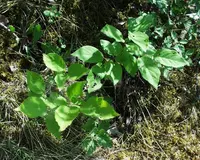
Three-leaf akebia (Akebia trifoliata) is a vigorous, woody vine grown mainly for its lush foliage and unusual sausage-shaped fruits. It climbs by twining stems and can quickly cover trellises, fences, or pergolas, forming a dense green screen.

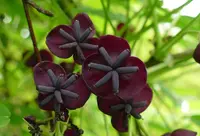
Leaves are divided into three leaflets, giving a soft, layered look, and the plant produces small, fragrant spring flowers that may be followed by fleshy, ornamental pods in suitable climates. It is native to East Asia, especially China, Korea, and Japan.

This species is generally adaptable and hardy, which makes it easier to establish than many other ornamental vines. Those learning how to care for three-leaf akebia should note its preference for well-drained soil, moderate moisture, and sun to light shade.

Main Plant Requirements

Care Difficulty

Moderate Care

Light Preference

Partial Sun

Water Requirements

Moderate Water

Temperature Preference

Cold Hardy

Hardiness Zone

5–9

Soil Texture

Loamy, Sandy, Organic-rich

Soil pH

Acidic (5.5–6.5), Slightly acidic (6.5–7.0)

Soil Drainage

Moist but well-drained

Fertilization

Minimal (feed rarely)

Get Personalized Care Plan

Scan your plant to receive care tips personalized for your specific plant

Available on iOS and Android

How to Care for the three-leaf akebia

This vigorous climber prefers moderately bright conditions to flower and fruit well.

  • Provide 4–6 hours of sun daily, with morning sun and afternoon shade ideal to protect foliage from harsh heat.
  • Tolerates partial shade, but very dense shade reduces flowering and can cause leggy growth in three-leaf akebia.
  • In hot summers, use dappled or filtered light, especially in the afternoon, to prevent leaf scorch and moisture stress.

This vine prefers evenly moist but not saturated soil once established.

  • Water when the top 3–5 cm of soil feels dry, ensuring the root zone is moist to a spade depth without puddling.
  • In spring and summer, check soil more often during dry spells; in fall and winter, allow slightly deeper drying between waterings.
  • Use well-drained soil to prevent root rot; yellowing, soft leaves suggest overwatering, while wilting and crisp edges indicate underwatering.

This hardy climber tolerates a wide temperature range but grows best in moderate conditions.

  • Optimal growth occurs around 60–77°F (16–25°C), supporting steady shoot extension and flowering.
  • Plants are cold-hardy to about 0°F (−18°C) once established, though young vines benefit from protection in their first winters.
  • In hot regions with summer highs above 90°F (32°C), provide afternoon shade and consistent soil moisture to limit heat stress and leaf scorch.

Akebia trifoliata handles a wide humidity range and usually does not need special humidity management outdoors.

This vine prefers loose, fertile, moist but well-drained soil to support fast growth and reduce root problems.

  • Use a loamy soil rich in organic matter, blending garden soil with compost for structure and nutrients.
  • Aim for slightly acidic to neutral pH around 6.0–7.0, avoiding very alkaline or saline conditions.
  • Improve drainage and aeration by incorporating coarse sand or fine gravel where soil is heavy or compacted.
  • Avoid waterlogged, poorly drained clay pockets, since standing water increases risk of root rot and decline.

This species can be grown successfully in large containers if support and stability are planned from the start.

  • Choose a deep, heavy pot (ceramic or thick plastic) to anchor the vine and reduce tipping in wind.
  • Provide a sturdy trellis fixed firmly to the container so developing vines do not pull the pot off balance.
  • Water thoroughly, then let the top 3–5 cm of mix dry, since dense container foliage slows surface evaporation.

This vigorous vine benefits from light, balanced feeding but usually needs no heavy fertilization in ordinary garden soil.

  • Use a balanced granular or slow-release fertilizer (around 10-10-10) in early spring as new growth starts, following label rates.
  • In poorer soils, supplement with a thin layer of compost over the root zone once a year to maintain organic matter.
  • Feed once more in midsummer only if growth or foliage color appears weak, using a half-strength liquid balanced fertilizer.
  • Stop feeding three-leaf akebia in late summer so new growth can harden before winter dormancy.

Pruning helps keep Akebia trifoliata within bounds and encourages a well-structured, flowering vine.

  • Carry out main pruning in late winter or very early spring before vigorous new growth begins.
  • Remove dead, damaged, or crossing stems first, cutting back to healthy wood with clean, sharp bypass pruners.
  • Thin congested shoots to improve air flow and light penetration along the support structure.
  • Shorten excessively long stems to shape the vine and direct growth, which can support better flowering on younger wood.

This climbing vine is most often grown in the ground, where transplanting is more relevant than frequent repotting.

  • Plan transplanting for early spring or early fall when temperatures are mild and soil is workable.
  • Look for signs such as roots circling a container, water running off quickly, or slowed growth before moving a potted plant.
  • When transplanting, dig a wide hole, keep as much of the root ball intact as possible, and replant at the same depth.
  • Water thoroughly after planting and keep soil evenly moist for several weeks to limit root stress and support re-establishment.

Akebia trifoliata is commonly propagated by layering, cuttings, or seeds, depending on the grower’s goals.

  • Take semi-ripe stem cuttings in late spring to midsummer, then root them in a moist, free-draining mix under high humidity.
  • Use simple layering in spring by pegging a flexible stem to the soil and severing it once a strong root system forms.
  • Sow fresh seed in autumn or provide cold stratification, as some seeds need a cool period to germinate well.
  • Keep young plants in bright, indirect light and evenly moist, not waterlogged, substrate until roots and shoots strengthen.

This vine is generally cold hardy in much of its range and usually needs only modest winter care in the ground.

  • In USDA zones where hard freezes occur, apply a 5–8 cm mulch layer over the root zone after soil cools.
  • Avoid piling mulch directly against stems to limit rot and rodent damage.
  • For container plants, move pots into a sheltered, unheated but frost-free area or wrap containers to insulate roots.

Care Tips

Early vine training

Install a sturdy trellis or wires at planting time and loosely tie young stems with soft ties, guiding 2–4 main leaders in the desired direction before growth becomes woody and hard to redirect.

Root-zone cooling

Mulch the root area with 5–8 cm of composted bark or wood chips and underplant with low groundcovers to keep roots cool and moist, which supports stronger flowering and reduces summer stress.

Controlled spread management

Inspect the base of the plant each spring and remove unwanted suckers or wayward shoots at ground level to prevent the vine from spreading into nearby shrubs, fences, or gutters.

Flowering wood renewal

Every 2–3 years, remove 1–3 of the oldest, thickest stems right after flowering to encourage new, vigorous wood that tends to flower more reliably in future seasons, which supports long-term Akebia trifoliata plant care.

Winter support check

Before winter storms, check all ties, trellis fixings, and anchor points, replacing any that are loose or damaged so mature, woody vines do not tear away from supports under wind or snow load.

Common Pests and Diseases

Akebia leaf spot

This disease causes tan to dark-brown spots on leaves that may merge, leading to partial defoliation in humid conditions.

Solution

Remove and discard affected leaves, keep foliage as dry as possible by watering at soil level, and improve air circulation around vines; in recurrent cases, apply a copper-based fungicide in early spring according to label directions as part of general Akebia trifoliata care.

Powdery mildew

This disease produces a white, powdery film on upper leaf surfaces and young shoots, which can lead to distorted growth and reduced vigor.

Solution

Thin out crowded stems to increase airflow, avoid overhead watering, and prune out heavily affected shoots; if needed, treat with a sulfur or potassium bicarbonate fungicide applied during dry weather and repeat as the label recommends.

Akebia leaf blight

This disease shows as irregular dark lesions on leaves and young stems, sometimes with a yellow halo, and can cause premature leaf drop on stressed vines.

Solution

Promptly prune and destroy infected shoots, avoid excessive nitrogen fertilization that encourages lush, tender growth, and maintain good spacing; in severe or recurring cases, use a broad-spectrum ornamental shrub fungicide in early season to protect new foliage.

Akebia fruit rot

Symptoms include soft, water-soaked spots on developing fruits that turn brown, collapse, and may develop fungal growth in wet, warm conditions.

Solution

Remove and dispose of infected fruits before they drop, clear fallen debris under the vine, and keep the canopy open to sun and airflow; in areas with frequent summer rain, preventive fungicide sprays labeled for ornamental fruiting vines may be used from flowering through early fruit set.

Scale insects

These insects appear as small, rounded or oval bumps on stems and leaf undersides, sucking sap and causing yellowing foliage and reduced vigor over time.

Solution

Gently scrape or wipe off light infestations with a soft cloth or toothbrush, prune out heavily infested stems, and use horticultural oil sprays during the growing season or at dormancy to smother remaining scale, repeating as needed per label instructions.

Interesting Facts

Unusual sausage-shaped fruits

This species produces elongated purple to brown fruits that split open when ripe to reveal a soft, pale pulp filled with shiny black seeds, a form uncommon among temperate woody vines.

Functionally female flowers

Although the plant produces both male and female flowers on the same inflorescence, genetic self-incompatibility usually prevents a plant from setting much fruit with its own pollen, so cross-pollination between different individuals greatly improves fruiting.

Cold-hardy liana vine

Unlike many other lianas, this species tolerates relatively low winter temperatures and can remain hardy in much of temperate East Asia and similar climates, while still retaining the flexible, climbing habit typical of tropical vines.
Botan icon

Did you know?

In parts of Japan and China, the tough, flexible vines of Akebia trifoliata have traditionally been harvested and woven into baskets and other handicrafts, making the species important not only as a wild fruit plant but also as a regional fiber resource.

FAQs about three-leaf akebia

This vine can spread vigorously in mild, moist climates, especially where winters are not severe. It climbs and scrambles rather than forming dense thickets, but unchecked growth can overwhelm nearby shrubs, fences, and small trees over several seasons.

Grow Healthy Plants with Botan Care

Keep your plants happy and healthy with plant identification, disease detection, and easy care guidance.

Botan plant care app — identify plants on mobile

Explore More Plants