Wild Kopieva Care (Bulbine frutescens)

Also known as: Wild Beardstyle, Snake Flower, Bulbinella
Wild Kopieva

About Wild Kopieva

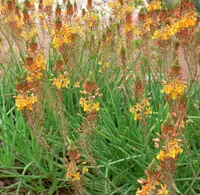
Bulbine frutescens, often called stalked bulbine, is a small, clump-forming succulent perennial. It has narrow, fleshy, grass-like leaves and upright flower stalks. Bright yellow or orange starry flowers appear over a long season, giving a fine, airy look above the foliage.

This species is native to dry regions of South Africa, where it grows in open, sunny sites with well-drained, often sandy soils. It is valued in gardens for high drought tolerance, fast recovery after pruning, and reliable blooming, which makes it relatively simple to care for Bulbine frutescens.

The plant generally prefers full sun, light watering, and poor to moderately fertile soil that drains quickly.

Main Plant Requirements

Care Difficulty

Easy Care

Light Preference

Full Sun

Water Requirements

Low Water

Temperature Preference

Warm Climate

Hardiness Zone

9–11

Soil Texture

Sandy, Loamy, Rocky

Soil pH

Slightly acidic (6.5–7.0), Slightly alkaline (7.0–7.5)

Soil Drainage

Well-drained

Fertilization

Minimal (feed rarely)

Get Personalized Care Plan

Scan your plant to receive care tips personalized for your specific plant

Available on iOS and Android

How to Care for the Wild Kopieva

This succulent prefers bright, direct sun but tolerates some light shade in hot regions.

  • Provide 6–8 hours of sun daily; morning sun with light afternoon shade reduces leaf scorch in very hot inland areas.
  • Bulbine frutescens handles full sun, but in zones with intense summer sun, use filtered light or 30–40% shade cloth during peak afternoon hours.
  • In winter, ensure it is not shaded by trees or buildings, as low-angle sun is weaker and prolonged shade can cause leggy, floppy growth.

Watering should support drought tolerance while avoiding prolonged wet soil around the roots.

  • Allow the top 3–5 cm of soil to dry before watering; in hot, dry weather this may mean deep watering every 7–14 days in the ground.
  • Use fast-draining soil or a sandy bed; water slowly until soil is moist, then let excess drain away to reduce root rot risk.
  • In cooler seasons, water only when leaves begin to look slightly less plump, and reduce frequency sharply if soil stays damp for more than 2–3 days.

This plant thrives in warm, dry conditions and dislikes frost or prolonged cold.

  • Aim for 65–85°F (18–29°C) for strongest growth, with good airflow in hot, humid climates to limit rot and fungal issues.
  • It tolerates brief dips to about 25–28°F (-4 to -2°C), but repeated hard frosts can damage foliage and crowns, especially in exposed sites.
  • In regions with freezing winters, treat it as a tender perennial: mulch well, grow in a sheltered microclimate, or lift container plants before nights fall below 32°F (0°C).

This species handles low humidity well, so air moisture is rarely a limiting factor indoors or outdoors.

  • Optimal humidity is around 30–50%, matching most heated or air-conditioned homes.
  • Leaves stay firm and fleshy in dry air; pruning is more important than misting for plant health.
  • Soft, collapsing foliage can signal combined stress from overwatering and stagnant air rather than low humidity; improve air movement and check roots for rot.

Bulbine frutescens prefers a lean, fast-draining, sandy substrate that mimics dry, rocky habitats.

  • Use a cactus or succulent mix, or blend 60% coarse sand or grit with 40% loamy potting soil for both drainage and root anchoring.
  • Ensure water drains through within seconds; add perlite or pumice if the mix stays wet longer than 1–2 days.
  • Aim for slightly acidic to neutral pH around 6.0–7.0, avoiding strongly acidic or alkaline conditions that can lock up nutrients.
  • Do not use heavy clay-based mixes or those with high peat content alone, as these retain moisture and promote root rot.

This species is well suited to container growing on sunny patios, balconies, and in dry gardens.

  • Choose a wide, shallow pot to support its clumping, spreading habit and prevent the root zone from staying cold and wet.
  • Select unglazed terracotta if extra evaporation is needed in rainy climates, or plastic in very hot, arid regions to slow water loss.
  • Position containers where they cannot tip, as the foliage and flower stems can make the plant top-heavy in narrow, light pots.

Light feeding supports steady growth and flowering in Bulbine frutescens without encouraging weak, lush foliage.

  • Use a balanced NPK granular or liquid fertilizer, or well-aged compost, on already moist soil during active growth in spring and summer.
  • Apply fertilizer every 6–8 weeks in the growing season, skipping months with very high heat if growth slows.
  • Dilute liquid feeds to 1/2 strength to avoid salt buildup and root burn, especially in containers.
  • Stop or reduce feeding to 1 light application for the whole period in fall and winter, when growth is minimal.

Thoughtful pruning keeps Bulbine frutescens compact, tidy, and flowering well over a long season.

  • Best timing is late winter to early spring, with light touch-ups after main flowering flushes.
  • Remove dead, damaged, or diseased leaves and flower stalks at the base using clean, sharp scissors or hand pruners.
  • Thin out crowded or floppy clumps to maintain an open, mounded shape and to encourage new shoots.
  • Shear back spent flower stems to just above the foliage to promote fresh blooms and reduce self-seeding.

Container-grown plants and crowded clumps benefit from occasional repotting or division to maintain healthy growth.

  • Check for roots circling the pot, water running straight through, or slowed growth as signs Bulbine frutescens is pot-bound.
  • Plan repotting or garden transplanting for late winter to early spring, before strong new growth starts.
  • Move plants every 2–3 years into a pot 2–5 cm wider, or replant clumps into well-drained soil at the same depth.
  • Handle the fleshy roots gently, tease them apart instead of breaking, water thoroughly after planting, and shade for a few days to reduce stress.

This species is commonly propagated to refresh older clumps and increase planting stock.

  • Divide mature clumps of Bulbine frutescens in late winter or early spring when soil is workable and temperatures are mild.
  • Lift the clump, gently separate offsets with several roots attached, and replant into well-drained soil or a gritty potting mix.
  • For stem cuttings, select healthy non-flowering shoots, let cut ends dry briefly, then plant in slightly moist, sandy mix.
  • Seeds can be sown in warm conditions, around 70–75°F, in a free-draining medium kept lightly moist until germination.

In mild climates this plant needs little winter attention, but in colder areas some protection prevents damage.

  • Bulbine frutescens tolerates light frosts but can suffer leaf and crown damage below about 25°F, especially in wet soil.
  • In-ground plants benefit from a 5–8 cm layer of dry mulch around, but not touching, the crown to insulate roots.
  • Move containers under cover or indoors to a bright, cool, frost-free spot when hard freezes are forecast.
  • Reduce watering in winter so the soil stays just barely moist, minimizing rot risk in cold, slow-growing conditions.

Care Tips

Encourage Clump Renewal

Every 2–3 years, lift and divide congested clumps at the end of winter, replanting only the youngest, firmest rosettes to maintain flowering vigor and reduce disease buildup in the crown zone.

Promote Continuous Bloom

Instead of only deadheading spent flower spikes, trim them back to just above a healthy leaf fan, which encourages rapid production of new scapes and keeps the plant compact rather than leggy.

Improve Winter Drainage

In regions with cool, wet winters, plant on a slight mound or in a raised strip of soil mixed with coarse grit so excess water drains away from the crown and roots, reducing rot risk.

Use Targeted Pest Scouting

Inspect the fleshy leaf bases and lower stems every few weeks in warm weather for aphids and scale, and if found, treat only the affected sections with insecticidal soap or horticultural oil to avoid unnecessary whole-plant spraying.

Plan for Self‑Seeding

If naturalized drifts are not desired, cut back seed heads before they dry and disperse, or designate one area for seed set and deadhead the rest to balance controlled borders with the benefits of self-sown replacements when caring for Bulbine frutescens.

Common Pests and Diseases

Aloe mite

This pest causes distorted, swollen, or tumor-like growths on leaves or flower stalks, often starting at the leaf bases or inflorescences. Symptoms include rough, corky, or blistered tissue that looks abnormal compared with the rest of the plant.

Solution

Remove and discard all affected leaves or flower stalks well below the distorted area, and destroy the prunings rather than composting them. Isolate the plant, avoid overhead watering that can spread mites, and in severe cases use a sulfur-based miticide or a product labeled for eriophyid mites, following the label carefully.

Aphids

These insects cluster on young flower stalks and leaf bases, sucking sap and causing curling, yellowing, and sticky honeydew that can attract ants. This pest is more common on lush, fast-growing clumps and flowering stems.

Solution

Spray plants with a firm stream of water to dislodge colonies, then treat remaining aphids with insecticidal soap or a light horticultural oil, covering stems and the undersides of leaves. Reduce excess nitrogen fertiliser that encourages soft growth and monitor flower spikes regularly during warm weather as part of Bulbine frutescens care instructions.

Mealybugs

These insects appear as white, cottony clusters in leaf rosettes and along the lower parts of stems, where they suck sap and weaken the plant. Symptoms include sticky residue, stunted growth, and occasional sooty mold on nearby surfaces.

Solution

Dip a cotton swab in isopropyl alcohol (70%) and dab visible mealybugs, then follow with an application of insecticidal soap or neem oil to leaf bases and crevices. Improve air movement around the clump, avoid overfertilizing, and inspect offsets and divisions carefully before planting or sharing them.

Leaf spot

This disease causes small brown, tan, or dark purple spots on leaves that may merge into larger lesions, sometimes with a yellow halo. Symptoms include premature leaf yellowing and cosmetic damage, especially in humid or overcrowded plantings.

Solution

Prune and discard affected leaves, avoiding overhead watering to keep foliage as dry as possible. Space plants for good airflow, water at soil level in the morning, and if spots continue to spread, apply a copper-based fungicide labeled for ornamental succulents according to directions.

Crown rot

This disease develops at the base of the rosette where leaves meet the stem, turning tissues soft, brown, and water-soaked, often after prolonged wet or poorly drained conditions. Symptoms include sudden collapse of individual rosettes while nearby ones may still look healthy.

Solution

At the first sign, cut away and discard affected rosettes and any mushy tissue, keeping only firm, healthy offsets. Improve drainage by using a gritty, well-drained mix, raise containers off solid surfaces, reduce watering frequency, and avoid letting water stand around the crown or in saucers.

Interesting Facts

Aloe-like leaf gel

The succulent leaves contain a clear mucilaginous gel that has been studied for its wound-healing and anti-inflammatory properties, leading to its comparison with Aloe vera in ethnobotanical research.

Two-tone flower display

Its star-shaped flowers show a distinctive bicolored look, with yellow petals and a tuft of orange, hairy stamens (called a beard), which makes the inflorescences highly visible to pollinators like bees.

Drought and heat specialist

This species stores water in its fleshy leaves and fibrous roots, allowing it to stay evergreen and keep flowering through hot, dry periods in its native South African habitats and in arid gardens where many perennials would go dormant.

Botan icon

Did you know?

In its native South African range, Bulbine frutescens often forms extensive, low-growing colonies on rocky slopes and disturbed ground, acting as a pioneer species that helps stabilize soil and create more favorable microhabitats for other plants to establish.

FAQs about Wild Kopieva

In mild, frost-free climates this species can flower almost continuously from spring through fall, with heaviest blooming in warmer months. Regular removal of spent flower stalks and adequate nutrition help maintain repeat and extended flowering cycles.

Grow Healthy Plants with Botan Care

Keep your plants happy and healthy with plant identification, disease detection, and easy care guidance.

Botan plant care app — identify plants on mobile

Explore More Plants