cliff stonecrop Care (Sedum glaucophyllum)

cliff stonecrop

About cliff stonecrop

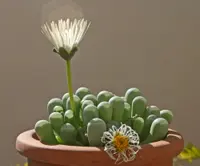
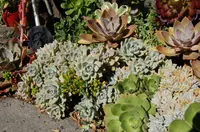
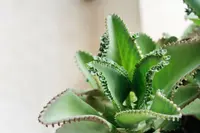
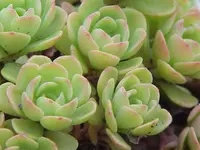
Cliff stonecrop (Sedum glaucophyllum) is a compact, mat-forming succulent native to rocky outcrops in the Appalachian region of the eastern United States. It forms low cushions of small, blue-green fleshy leaves that store water and often develop attractive red tones in strong light. In late spring to early summer, it produces short stems topped with star-shaped, pale yellow flowers that attract pollinators. This species prefers sunny, well-drained, rocky or sandy sites and tolerates short dry periods better than prolonged moisture. Its drought tolerance and slow, contained growth habit make it suitable for rock gardens, troughs, and small containers, and generally easy to care for cliff stonecrop.

Main Plant Requirements

Care Difficulty

Easy Care

Light Preference

Full Sun

Water Requirements

Low Water

Temperature Preference

Cold Hardy

Hardiness Zone

5–8

Soil Texture

Sandy, Loamy, Rocky

Soil pH

Slightly acidic (6.5–7.0), Neutral (7.0)

Soil Drainage

Well-drained

Fertilization

Minimal (feed rarely)

Get Personalized Care Plan

Scan your plant to receive care tips personalized for your specific plant

Available on iOS and Android

How to Care for the cliff stonecrop

This compact Appalachian succulent needs bright outdoor light to stay dense and blue-green.

  • Provide 6–8 hours of direct sun daily, ideally with morning sun and light afternoon shade, especially in hotter regions.
  • Tolerates partial shade (3–4 hours sun), but cliff stonecrop may stretch, lose color, and flower less if light stays low.
  • In summer, protect from reflected midday heat off walls or rock, and in winter ensure a south- or west-facing site that still receives strong light.

This species is drought-tolerant and prefers infrequent, thorough watering.

  • Allow soil to dry at least through the top 3–5 cm before watering; in hot, dry weather this may mean every 7–14 days, less often in cool periods.
  • Water at the base until excess drains away; yellow, translucent, or mushy leaves indicate overwatering, while wrinkled, soft leaves signal underwatering.
  • Ensure sharply drained, gritty soil on a slope or raised area so Sedum glaucophyllum does not sit in water after rain.

This hardy sedum tolerates a wide temperature range but has clear limits.

  • Active growth is best at 60–75°F (16–24°C); plants stay compact and color well within this range.
  • Established clumps tolerate down to about -10°F (-23°C) with snow cover, but repeated freeze-thaw cycles without drainage increase rot risk.
  • Handles summer heat up to 90–95°F (32–35°C) if soil is very well drained; avoid spots with reflected heat that push temperatures higher.

Humidity is usually not critical for Sedum glaucophyllum, which prefers dry air.

Sedum glaucophyllum needs very fast-draining, mineral-rich soil to avoid root rot.

  • Use sandy or gritty soil with a coarse texture, not dense or sticky material.
  • Mix roughly 50–70% inorganic components such as pumice, coarse sand, or fine gravel with 30–50% cactus potting mix.
  • Aim for slightly acidic to neutral pH, around 6.0–7.0, as strongly acidic or alkaline soil can limit nutrient uptake.
  • Avoid compacted, water-retentive clay or peat-heavy mixes; add extra grit or perlite to improve aeration and drainage.

This species is well suited to container growing, especially in shallow, wide pots.

  • Choose a shallow container that matches its fibrous root system so the mix dries evenly between waterings.
  • Use a heavy or stable pot if grown on balconies or ledges to prevent light containers from tipping in wind.
  • Prefer unglazed terracotta or similarly porous materials to help moisture evaporate quickly from the fast-draining mix.

This low-nutrient native succulent needs only light, occasional feeding to stay healthy.

  • Use a diluted balanced liquid fertilizer (around 10-10-10) at 1/4–1/2 strength during active growth in spring–early summer.
  • Feed container-grown cliff stonecrop no more than every 4–6 weeks; skip feeding for plants growing in lean, rocky soil outdoors.
  • Avoid rich compost or heavy slow-release products that keep soil moist; excess nutrients cause weak, leggy growth.
  • Stop all fertilizing in late summer so new growth hardens before winter and the plant enters dormancy naturally.

Sedum glaucophyllum needs only light pruning to stay compact and tidy.

  • Best time is early spring, removing dead, winter-damaged, or mushy stems with clean, sharp scissors or snips.
  • Trim back leggy or crowded shoots to encourage branching and a tighter mat of foliage.
  • After flowering, shear off spent flower stalks to maintain shape and reduce self-seeding if unwanted.
  • Disinfect tools before and after use to reduce the risk of transmitting fungal or bacterial problems.

This mat-forming sedum is usually grown in rock gardens or shallow containers and dislikes frequent disturbance.

  • Transplant or repot only when roots circle the pot, growth stalls, or soil breaks down and stays wet.
  • Plan moves for early spring or early fall, when temperatures are mild and sun is not extreme.
  • Expect to transplant every 3–4 years at most, into shallow, gritty, sharply draining soil.
  • Lift gently, keep root disturbance minimal, replant at the same depth, then water once and allow soil to dry well before the next watering.

Sedum glaucophyllum is commonly multiplied by stem cuttings, leaf cuttings, and division.

  • Take short stem or leaf cuttings in late spring–summer, letting cut surfaces dry for 1–2 days before planting.
  • Set cuttings on or just in free-draining, sandy mix, keeping conditions bright and barely moist until roots form.
  • Divide small clumps in early spring, replanting divisions into similar gritty soil with good drainage.
  • Seeds can be surface-sown on sandy soil in spring, needing light, even moisture, and cool to mild temperatures for germination.

This species is cold hardy in much of its range and usually needs minimal winter attention outdoors.

  • Tolerates frost and light freezes when planted in sharply draining rocky or sandy soil.
  • Apply a very thin gravel mulch around the crown to limit heaving from freeze–thaw cycles without trapping moisture.
  • For containers in colder zones, move pots into an unheated, bright shelter where temperatures remain above about 20°F.
  • Water sparingly in winter, allowing soil to dry almost completely to prevent root and stem rot in cool conditions.

Care Tips

Rocky Crevice Planting

Tuck plants into narrow crevices between rocks or pavers with very gritty fill so roots anchor firmly and stems drape naturally, which reduces rot and wind damage on exposed slopes.

Controlled Spreading Edges

Install a 5–8 cm gravel or stone border around beds to create a dry, inhospitable strip that slows unwanted spread into lawns or more moisture-loving plantings.

Winter Wet Protection

In climates with cold, wet winters, top-dress around crowns in fall with a 1–2 cm layer of sharp grit or small gravel to keep the growing points drier and reduce freeze–thaw damage.

Patch Rejuvenation Division

Every 3–4 years, lift and replant only the firm, non-woody outer pieces of the mat and discard the oldest central sections to maintain dense, low growth and prevent bare patches.

Propagation As Insurance

Root a handful of healthy stem cuttings each year in a separate tray of very gritty mix so you always have spare plants to fill gaps, share, or quickly replace any lost clumps when growing cliff stonecrop.

Common Pests and Diseases

Aphids

This pest feeds on tender new growth and flower stems, sucking sap and causing distortion, sticky honeydew, and occasional sooty mold on leaves. Infestations are usually localized on soft shoots and flower clusters.

Solution

Dislodge colonies with a firm stream of water, then spot-treat remaining insects with insecticidal soap or a ready-to-use neem oil spray, applied in the early morning or evening. Encourage natural predators such as lady beetles by avoiding broad-spectrum insecticides, and reduce excess nitrogen fertilization that promotes very soft, aphid-prone growth.

Mealybugs

These insects appear as small white cottony clumps between leaves and along stems, where they suck plant sap and can cause stunting and leaf drop over time. Symptoms include sticky honeydew and, in severe cases, a general decline in vigor.

Solution

Remove visible mealybugs with a cotton swab dipped in isopropyl alcohol and prune heavily infested stems. Follow up with repeated applications of insecticidal soap or neem oil every 7–10 days, and isolate affected plants from other succulents during treatment as part of responsible Sedum glaucophyllum plant care.

Spider mites

This pest is favored by hot, dry conditions and causes fine stippling, dulling, and eventual bronzing of the foliage, sometimes with very fine webbing. Symptoms include slowed growth and premature leaf drop under severe pressure.

Solution

Rinse foliage thoroughly with water, including undersides of leaves, to physically remove mites, then apply insecticidal soap or horticultural oil, repeating every 5–7 days until new growth appears clean. Increase local humidity slightly and avoid placing the plant in extremely hot, stagnant air, while still maintaining the bright, dry conditions this sedum prefers at the root zone.

Powdery mildew

This disease produces white, powdery patches on leaves and stems, which can dull the glaucous (bluish) foliage and cause some distortion or premature leaf drop. Symptoms include a dusty coating that can spread across dense mats of foliage in humid, stagnant air.

Solution

Improve air circulation around the plant by thinning crowded patches and avoiding overhead watering late in the day. Remove and discard heavily infected leaves, then treat remaining foliage with a labeled sulfur-based or potassium bicarbonate fungicide, ensuring the plant dries quickly after any moisture exposure.

Rust

This disease causes small yellow spots on upper leaf surfaces and rusty orange to brown pustules on the undersides, especially in moist, crowded patches. Symptoms include uneven discoloration and early leaf drop on older sections of the mat.

Solution

Promptly remove and discard infected leaves or entire heavily affected stems, taking care not to shake spores onto healthy tissue. Reduce overhead watering, increase spacing and airflow, and if needed use a labeled systemic or contact fungicide, rotating products if outbreaks recur in the same location year after year.

Interesting Facts

Blue waxy foliage

This species forms small rosettes of bluish to glaucous leaves coated with a fine waxy layer that reduces water loss and protects the tissue from intense sun exposure in its native rocky habitats.

Appalachian specialist

It is naturally restricted to exposed rock outcrops and cliffs of the central and southern Appalachian Mountains in the eastern United States, where it grows in very shallow, nutrient-poor substrates that many other plants cannot tolerate.

Evergreen cliff mat

The plant forms low, dense, evergreen mats that help stabilize thin soils on sandstone and granite ledges, creating tiny microhabitats that can shelter mosses, lichens, and small invertebrates.

Botan icon

Did you know?

This species is considered regionally rare and of conservation interest in parts of its native range because it depends on undisturbed cliff and rock outcrop ecosystems that are highly sensitive to human trampling, quarrying, and development.

FAQs about cliff stonecrop

This species forms low, slowly expanding mats and is not considered aggressive. It spreads by short stems and leafy rosettes, usually staying within its planting area unless given very loose, rocky, open ground to colonize gradually.

Grow Healthy Plants with Botan Care

Keep your plants happy and healthy with plant identification, disease detection, and easy care guidance.

Botan plant care app — identify plants on mobile

Explore More Plants