Leaf Dust Management
Wipe the short rosettes with a barely damp, soft cloth every 4–6 weeks so dust does not block light on the horizontal leaves and to let you check early for mites or scale insects.

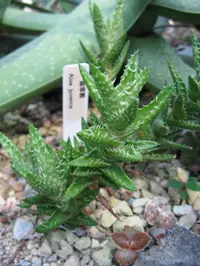
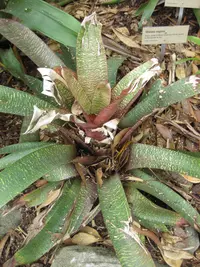
Bird's nest snake plant, Dracaena trifasciata 'Hahnii', is a compact succulent houseplant from tropical West Africa. It forms a tight rosette of short, upright leaves that resemble a small nest. The foliage is usually dark to mid green with lighter banding, creating a strong architectural look in a small space.
This plant grows slowly and stays low, which makes it suitable for desks, shelves, and small containers. It adapts well to typical indoor conditions and is tolerant of irregular watering, which makes it forgiving for beginners.
To care for Bird's Nest Snake Plant, provide bright, indirect light or light shade, well-draining soil, and allow the potting mix to dry partly between waterings.

Care Difficulty
Easy Care

Light Preference
Bright Indirect Light

Water Requirements
Low Water

Temperature Preference
Tropical / Frost Sensitive

Hardiness Zone
10–12

Soil Texture
Sandy, Loamy, Organic-rich

Soil pH
Acidic (5.5–6.5), Slightly acidic (6.5–7.0)

Soil Drainage
Well-drained

Fertilization
Minimal (feed rarely)
Scan your plant to receive care tips personalized for your specific plant
Available on iOS and Android
This compact Dracaena trifasciata 'Hahnii' thrives in bright, indirect light with some tolerance for shade.
Watering for Dracaena trifasciata 'Hahnii' should favor dryness between thorough soakings to protect its succulent roots.
Stable, warm conditions support steady growth and healthy foliage for this compact snake plant cultivar.
This compact snake plant tolerates a wide humidity range and rarely needs special adjustment indoors.
This species prefers a fast-draining, airy mix that mimics sandy, mineral desert soils.
This species is very well suited to container growing due to its compact rosette habit and shallow root system.
This compact Bird's Nest Snake Plant benefits from light feeding rather than heavy fertilization.
Pruning Dracaena trifasciata 'Hahnii' is mainly cosmetic, helping maintain a tidy rosette shape.
This slow-growing rosette snake plant prefers slightly tight pots and infrequent repotting.
New Dracaena trifasciata 'Hahnii' plants are most reliably produced by division of mature clumps.
This tender succulent foliage plant is not frost hardy and needs indoor conditions in cold climates.

Plant Health Check
Not sure what's wrong with your plant? Check your plant's health inside the app.
This cultivar forms a tight, low rosette, rarely exceeding 15–20 cm in height, due to a natural mutation that shortens internodes, the segments between leaves on the stem.
Its leaves show distinct transverse gray‑green bands on a dark green background, a stable variegation pattern selected and maintained through vegetative propagation, not from seed.
Many variegated forms of this cultivar are periclinal chimeras, meaning different cell layers in the leaf carry different genetic makeup, which produces stable patterned coloration only when multiplied by division or cuttings.
Brown leaf tips usually come from low humidity, fluoride or salt buildup, or inconsistent watering. Large brown patches often indicate root rot from staying wet too long, or cold damage from drafts or contact with cold windows.
Keep your plants happy and healthy with plant identification, disease detection, and easy care guidance.