Guadeloupe peperomia Care (Peperomia emarginella)

Guadeloupe peperomia

About Guadeloupe peperomia

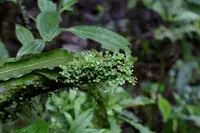
Guadeloupe peperomia (Peperomia emarginella) is a miniature trailing epiphyte that often grows on tree trunks, rocks, or decaying wood in humid tropical forests. It forms fine, creeping stems with tiny, rounded leaves that create a delicate mat of foliage.

This species occurs naturally in parts of the Caribbean and Central America, where it benefits from warm, shaded, and consistently moist habitats. Its compact size and slow growth make it suitable for terrariums, small hanging planters, or as an accent plant in mixed displays.

Peperomia emarginella is moderately easy to grow when its need for gentle light, regular moisture, and airy, well-drained substrate is respected. Understanding how to care for Guadeloupe peperomia mainly involves recreating its naturally humid, sheltered environment indoors.

Main Plant Requirements

Care Difficulty

Moderate Care

Light Preference

Bright Indirect Light

Water Requirements

Moderate Water

Temperature Preference

Tropical / Frost Sensitive

Hardiness Zone

11–12

Soil Texture

Loamy, Peaty, Organic-rich

Soil pH

Acidic (5.5–6.5), Slightly acidic (6.5–7.0)

Soil Drainage

Well-drained

Fertilization

Light (every 4–6 weeks)

Get Personalized Care Plan

Scan your plant to receive care tips personalized for your specific plant

Available on iOS and Android

How to Care for the Guadeloupe peperomia

Peperomia emarginella grows best in bright, indirect light that mimics a forest understory.

  • Provide 6–8 hours of filtered light per day, such as near an east- or north-facing window, or under a thin curtain that softens direct sun.
  • Tolerates partial shade, but if stems stretch or leaves lose color, move slightly closer to the light source while avoiding harsh midday sun.
  • Protect from strong afternoon sun, which can cause leaf scorch and pale patches; in winter, shift the plant to a brighter spot to compensate for shorter days.

This species prefers lightly moist, airy substrate and is sensitive to chronic overwatering.

  • Water when the top 2–3 cm of soil feel dry, letting excess drain fully; the pot or bed should never stay soggy or waterlogged.
  • Reduce frequency in winter or during cool, low-light periods, allowing the substrate to dry a bit deeper to prevent root rot in Peperomia emarginella.
  • Signs of overwatering include yellowing, soft leaves and a musty smell; underwatering shows as wilted, thin leaves that perk up within a day after thorough watering.

Stable, warm conditions support compact growth and healthy foliage in this species.

  • Aim for 65–80°F (18–27°C) for active growth, avoiding sudden temperature swings that stress the plant and slow new shoots.
  • Protect from cold; growth slows below about 60°F (16°C) and tissue damage can occur near 50°F (10°C), especially if combined with wet soil.
  • Keep out of frost and away from hot, dry blasts above 86°F (30°C); provide shade and higher humidity in heatwaves to reduce leaf scorch and stress.

This species prefers moderate humidity but usually adapts to typical indoor levels.

  • Aim for 40–60% humidity to keep leaves firm and reduce edge crisping.
  • Tolerates short periods of drier air, but very low humidity causes tiny leaves to shrivel and tips to brown.
  • Increase humidity with a nearby open tray of damp pebbles or by grouping small plants closely without wetting the foliage.

Peperomia emarginella grows best in a loose, airy mix that drains rapidly but holds light, even moisture.

  • Use a mix of roughly 50% fine orchid bark, 25% perlite or pumice, and 25% peat-based potting mix or coco coir.
  • Aim for slightly acidic to neutral pH, around 6.0–7.0, which supports nutrient availability for this epiphytic species.
  • Ensure the mix feels springy, not compact; large particle size maintains air pockets around the fine roots.
  • Avoid heavy garden soil, clay-based mixes, or pots that stay wet for longer than 2–3 days after watering.

This small trailing species is very suitable for container and hanging basket culture.

  • Choose a shallow, wide pot that gives lateral space for creeping stems rather than unnecessary depth that holds extra water.
  • Select a slightly heavier or ceramic container so light, trailing growth does not tip the pot as vines extend over the rim.
  • Use a potting layout that keeps stems near the edges so new nodes can trail freely instead of matting densely in the center.

This compact epiphyte benefits from light, controlled feeding during active growth.

  • Use a balanced liquid fertilizer (around 10-10-10 or 20-20-20) diluted to 25–50% strength for caring for Guadeloupe peperomia.
  • Feed every 4–6 weeks in spring and summer when growth is strongest.
  • Stop feeding in fall and winter, when the plant slows down indoors.
  • Avoid compost-heavy mixes or strong slow-release pellets, which can burn fine roots in small pots.

Peperomia emarginella responds well to light structural pruning to keep growth dense and tidy.

  • Best time for pruning is late winter to early spring, before strong new growth begins.
  • Pinch back soft stem tips to encourage branching and a fuller mat of foliage.
  • Remove dead, damaged, or very tangled stems with clean, sharp scissors or small snips.
  • Disinfect tools before and after use to reduce the risk of spreading disease.

This species prefers snug pots and only needs repotting when clearly rootbound or declining.

  • Plan to repot every 2–3 years, or when roots circle the pot base or growth becomes slow despite good care.
  • Best timing is in spring, using a shallow pot and airy mix suitable for epiphytes, such as fine orchid bark blended with perlite and peat or coco coir.
  • Water lightly 1–2 days before repotting, then gently tease roots apart, removing a small amount of old, compacted mix.
  • After repotting, keep in bright, indirect light with slightly reduced watering for 1–2 weeks to limit transplant shock.

New Peperomia emarginella plants are most often produced from stem cuttings in warm seasons.

  • Take 5–8 cm stem tip cuttings with at least 2–3 leaf pairs in late spring or summer.
  • Place cuttings in moist, airy mix and keep humidity around 60–70% with bright, indirect light.
  • Optional use of a mild rooting hormone can speed root development.
  • Keep the medium just barely moist and avoid waterlogging to prevent rot while roots form.

This tropical peperomia is frost sensitive and must be kept above freezing in winter.

  • Maintain indoor temperatures around 60–75°F and avoid cold drafts near windows or doors.
  • Move outdoor containers indoors before temperatures drop below 50°F, giving bright, indirect light.
  • Reduce watering, letting the top layer of mix dry more between waterings, since growth is slower.

Care Tips

Support trailing stems

Guide longer stems over a mini trellis, hoop, or along the rim of the pot to prevent kinks and breakage, and trim only the very tips if you want to keep a compact, mounded look.

Use shallow containers

Choose a wide, shallow pot rather than a deep one so the fine roots can spread laterally, which reduces the risk of water sitting in unused lower soil and helps the plant root new nodes along the surface.

Node-by-node propagation

When rejuvenating a leggy plant, cut stems into 2–3 node sections and lay them horizontally on moist mix with nodes just touching the surface; new roots and shoots will usually form at multiple points, giving denser new plants.

Inspect leaf undersides

Check the undersides of the tiny leaves and along stems every 1–2 weeks with a hand lens if possible, since early detection of mites or mealybugs on this fine-textured foliage makes non-chemical control with water rinses or alcohol swabs much more effective.

Seasonal light adjustment

In winter, move the plant a little closer to a bright window or supplement with a small LED grow light, then pull it back slightly in stronger summer sun to keep internodes short and foliage dense when growing Guadeloupe peperomia.

Common Pests and Diseases

Spider mites

This pest often colonizes the undersides of the tiny leaves, causing stippling, dull foliage, and very fine webbing, especially in warm, dry indoor air.

Solution

Rinse vines and leaf undersides under a gentle, lukewarm shower, then increase humidity and airflow; for persistent infestations, use several rounds of insecticidal soap or a neem oil spray, making sure to fully coat the undersides of leaves and stems.

Mealybugs

These insects hide in stem nodes and along creeping vines as small white cottony clusters, sucking sap and causing stunting or leaf drop in this delicate species.

Solution

Isolate the plant, dab visible clusters with cotton swabs dipped in 70% isopropyl alcohol, then follow up weekly with a light insecticidal soap or neem oil spray, paying close attention to crevices and where stems attach to the substrate.

Southern blight

This disease appears at the soil line as brown stem lesions, rapid wilting, and white, cottony fungal growth with small tan sclerotia around the thin, trailing stems.

Solution

Remove and discard all affected stems and surface debris, then repot into fresh, sterile, well-draining mix and a clean pot; keep the crown slightly elevated, avoid waterlogged conditions, and improve airflow around the cascading foliage.

Leaf spot

This disease causes small water-soaked or brown spots on the miniature leaves that may merge, leading to yellowing and premature leaf drop in dense, humid displays.

Solution

Remove and discard spotted leaves, avoid overhead misting, thin overly dense growth to improve airflow, and allow the surface of the potting mix to dry slightly between waterings; in severe cases, apply a labeled copper or bio-fungicide according to product directions.

Interesting Facts

Miniature cloud-forest epiphyte

This species naturally grows as a tiny epiphyte on tree branches and mossy trunks in humid Central American cloud forests, where it forms delicate mats rather than upright stems.

Leaf-edge notch trait

The species epithet emarginella refers to the small notch or indentation often seen at the tip of its rounded leaves, a subtle morphological trait that helps distinguish it from many other creeping peperomias.

Single-genus pepper relative

Although it looks very different from culinary black pepper, this plant belongs to the same family Piperaceae, and its tiny spike-like inflorescences share the same basic floral structure as species in the genus Piper.

Botan icon

Did you know?

In mature, undisturbed habitats, this species can form extensive living carpets across tree bark and moss, creating microhabitats that hold moisture and provide shelter for small invertebrates and microorganisms in cloud-forest canopies.

FAQs about Guadeloupe peperomia

This species generally performs better indoors or in sheltered, shaded outdoor spots in warm climates. It dislikes direct sun, cold, and strong wind. Guadeloupe peperomia indoor care focuses on stable warmth, humidity, and protection from temperature extremes.

Grow Healthy Plants with Botan Care

Keep your plants happy and healthy with plant identification, disease detection, and easy care guidance.

Botan plant care app — identify plants on mobile

Explore More Plants