vegetable fern Care (Diplazium esculentum)

About vegetable fern

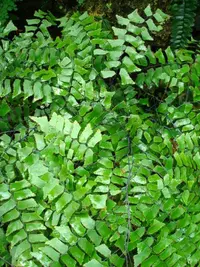
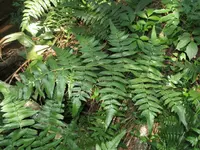
Vegetable fern, Diplazium esculentum, is a perennial fern grown mainly for its edible young fronds. It forms dense clumps of arching, divided leaves with a soft, lush texture.

In nature it occurs in moist, shady habitats across tropical and subtropical Asia and the Pacific, often along stream banks and forest edges. It prefers consistently damp, rich soil and protection from strong sun and wind.

The plant grows steadily in warm, humid conditions but can be sensitive to cold and drying out, which affects how to care for vegetable fern in home gardens or small farms.

Main Plant Requirements

Care Difficulty

Moderate Care

Light Preference

Partial Shade

Water Requirements

Keep Soil Moist

Temperature Preference

Tropical / Frost Sensitive

Hardiness Zone

10–12

Soil Texture

Loamy, Silty, Organic-rich

Soil pH

Acidic (5.5–6.5), Slightly acidic (6.5–7.0)

Soil Drainage

Moist but well-drained

Fertilization

Light (every 4–6 weeks)

Get Personalized Care Plan

Scan your plant to receive care tips personalized for your specific plant

Available on iOS and Android

How to Care for the vegetable fern

This fern prefers soft, forest-like light rather than direct, intense sun.

  • Provide 3–5 hours of gentle morning sun with bright, filtered light for the rest of the day, mimicking dappled woodland shade.
  • Allow partial shade; vegetable fern grows well under taller crops or trees where direct midday and afternoon sun are blocked.
  • Protect from strong sun in summer, especially 11 a.m.–3 p.m., which can scorch fronds and dry soil too fast, slowing new frond production.

This species needs consistently moist but not waterlogged soil to grow tender, harvestable fronds.

  • Water when the top 2–3 cm of soil feels slightly dry, aiming for evenly damp soil around the rhizomes rather than alternating between soggy and bone dry.
  • Use soil with good drainage and some organic matter; prolonged puddling, sour smell, or black, limp roots signal overwatering and poor aeration.
  • In hot, dry weather increase frequency as fronds droop or soil dries quickly; in cool or rainy seasons reduce watering to avoid root rot in Diplazium esculentum.

This fern performs best in warm, humid, frost-free conditions.

  • Aim for 70–86°F (21–30°C) for strongest growth; fronds elongate faster and stay more tender in this warm range.
  • Avoid temperatures below 50°F (10°C); light chill slows growth, while near-freezing and frost can kill fronds and damage crowns.
  • In hot periods above 90°F (32°C), give extra shade and moisture; in cooler seasons protect crowns with mulch to buffer soil from short cool spells.

This fern needs consistently high humidity to grow well and avoid frond damage.

  • Aim for 60–80% humidity, as vegetable fern comes from moist, shaded habitats and declines in dry air.
  • Crisping frond tips, slow unfurling, and brown edges indicate humidity stress rather than underwatering.
  • Group pots, place containers on pebble trays with water below the pot base, or grow near a humid area to raise local humidity.

Diplazium esculentum performs best in moist, loose, organic-rich soil that drains freely yet never dries out completely.

  • Use a mix of 50–60% compost or leaf mold, 20–30% loam, and 10–20% coarse sand or fine bark to balance moisture retention and aeration.
  • Aim for slightly acidic to neutral pH around 5.5–7.0, avoiding strongly alkaline mixes that can reduce nutrient availability and weaken fronds.
  • Add coarse sand, fine gravel, or perlite to heavy clay-based mixes to prevent waterlogging and promote oxygen around the roots.
  • Avoid compacted, sticky, or completely dry substrates; the root zone should feel springy and evenly moist rather than dense or powdery.

This species adapts well to container cultivation when moisture and space for its spreading root system are managed carefully.

  • Choose a wide, moderately deep pot to accommodate its creeping rhizomes and allow new crowns to form without crowding.
  • Pick a slightly heavier container material if growing outdoors so the plant remains stable when fronds reach full size.
  • Use a pot with multiple side and base drainage holes so excess water escapes quickly and the mix stays evenly moist, not stagnant.

This fern benefits from light, consistent nutrition during warm, active growth but reacts poorly to heavy feeding.

  • Use a balanced liquid fertilizer (around 10-10-10 or 20-20-20) at 1/4–1/2 strength every 4–6 weeks in spring and summer.
  • Apply a thin layer of mature compost around the root zone once per growing season for steady, gentle nutrients.
  • For containers, a slow-release organic fertilizer can support vegetable fern indoor care when used sparingly and according to label rates.
  • Reduce or stop feeding in fall and winter when growth slows, to avoid salt buildup and weak, soft fronds.

Pruning for Diplazium esculentum focuses on hygiene and maintaining a tidy, vigorous clump rather than shaping.

  • Best timing is late winter to early spring, before strong new frond growth begins.
  • Remove dead, yellowing, torn, or diseased fronds at the base using clean, sharp scissors or pruners.
  • Thin out a few oldest, congested fronds to improve air movement and reduce fungal problems in humid sites.
  • Avoid cutting healthy emerging fiddleheads, since these are the plant’s new photosynthetic and edible growth.

This fern is often grown in the ground, but container plants or crowded clumps benefit from thoughtful transplanting to maintain vigor.

  • Look for roots circling the pot, water running straight through, or stalled growth as signals it needs more space.
  • Plan to repot or divide every 2–3 years in early spring, just before or as new fronds start to emerge.
  • Move into a pot 2–5 cm wider with moist, rich, well-drained mix, handling the fibrous roots gently to limit damage.
  • Water thoroughly, keep in shaded, wind-sheltered conditions for 1–2 weeks, and maintain even moisture to reduce transplant shock.

Propagation of Diplazium esculentum is commonly done by division, with spore sowing used mainly by experienced growers or nurseries.

  • Divide mature clumps in early spring when new buds are just visible at the crown.
  • Lift the plant, separate the root mass into several pieces, each with healthy buds and roots, using a clean knife if needed.
  • Replant divisions immediately into shaded, moist, humus-rich soil and water well to settle roots and remove air pockets.
  • For spore propagation, sow fresh spores on sterile, constantly moist medium under high humidity and bright, indirect light.

This fern is frost-sensitive and needs mild, protected conditions or controlled environments in regions with cold winters.

  • In climates with frost, treat it as a tender perennial and grow in containers that can be moved indoors.
  • Before first frost, relocate pots to a bright, cool indoor spot or greenhouse kept above 50°F with high humidity.
  • Outdoors in mild zones, add 5–8 cm of organic mulch around the crown to insulate roots and conserve moisture.

Care Tips

Harvest young fronds

Cut only tightly coiled fiddleheads and very young fronds with clean scissors, leaving several mature fronds intact so the plant can keep photosynthesizing and regrowing strongly.

Manage dense crowns

Every 1–2 years, gently lift and divide congested clumps during warm, moist weather, replanting vigorous sections at the same depth so the crown does not rot.

Use moisture mulch

Apply a 3–5 cm layer of fine, composted mulch around but not over the crown to keep the shallow rhizomes evenly moist and to reduce weed competition.

Provide flood tolerance

In swampy or paddy-style beds, plant on very slight mounds or ridges so roots access high moisture while the crown stays just above standing water to prevent rot.

Rotate harvest areas

When caring for vegetable fern for regular food use, alternate which clumps are harvested each week so each plant has recovery periods and maintains long-term vigor.

Common Pests and Diseases

Fern aphids

This pest feeds on young fronds and tender rachis tissue, causing curling, yellowing, and distorted new growth on vegetable fern clumps. Symptoms include sticky honeydew on fronds that can lead to sooty mold in humid conditions.

Solution

Rinse colonies off with a firm stream of water, focusing on the undersides of young fronds, and repeat every few days until controlled. For heavier infestations, apply insecticidal soap or a light horticultural oil in the early morning, ensuring thorough coverage and avoiding applications during high heat to prevent frond burn.

Leaf miners

These insects create pale, winding tunnels inside the leaf tissue of tender vegetable fern fronds, reducing the visual quality and, in harvested fern tips, the culinary value. Symptoms include thin, serpentine trails that turn brown as tissue dies.

Solution

Remove and discard mined fronds as soon as tunnels appear to break the life cycle. In areas with repeated problems, use fine insect netting over young fern flushes and encourage natural enemies by avoiding broad-spectrum insecticides around fern beds.

Slugs and snails

This pest is common in moist fern beds and feeding damage appears as irregular holes and shredded edges on young edible shoots and fronds, especially during wet weather. Symptoms include slime trails on soil and lower fronds.

Solution

Hand-pick slugs and snails in the evening or early morning and reduce hiding places by clearing dense debris around the crown. Use iron phosphate slug baits around, not on, the clumps and keep mulch thin so the soil surface stays moist but not continuously wet.

Rhizoctonia sheath blight

This disease, reported in humid vegetable fern plantings, produces water-soaked lesions at the base of fronds that expand into tan to brown patches, sometimes with a narrow dark margin. Symptoms include lodging or collapse of fronds from basal rot under warm, wet, crowded conditions.

Solution

Remove and destroy infected fronds and plant debris, then improve spacing and airflow so crowns dry faster after rain or irrigation. Avoid overhead watering, irrigate early in the day, and rotate fern beds or solarize soil in heavily affected plots before replanting to support long-term Diplazium esculentum care.

Bacterial blight

This disease causes small, water-soaked spots on fronds that enlarge into irregular dark lesions with a yellowish halo, especially on densely planted, heavily harvested stands. Symptoms include rapid spread during warm, rainy periods and reduced quality of edible fiddleheads and frond tips.

Solution

Cut and discard badly affected fronds, disinfecting cutting tools between plants, and avoid working in the fern bed when foliage is wet. Reduce overhead irrigation, increase plant spacing, and, if possible, rotate out of the area for 1–2 seasons after severe outbreaks to lower bacterial inoculum in the planting zone.

Interesting Facts

Edible fiddleheads crop

The young coiled fronds of this fern are harvested and eaten as a vegetable across South and Southeast Asia, where they are commonly sold in local markets and used in stir-fries and soups.

Thrives in wet habitats

This species naturally grows along stream banks, river edges, and in moist lowland forests, forming dense clumps that help stabilize soil in humid tropical landscapes.

Continuous leaf production

In warm, frost-free climates it can produce new fronds throughout the year, providing a nearly continuous supply of edible shoots when managed as a perennial leafy vegetable.

Botan icon

Did you know?

In parts of South and Southeast Asia, this fern has become an important wild-gathered and semi-cultivated vegetable, with some communities managing natural stands and home garden patches as a regular source of seasonal income and food security.

FAQs about vegetable fern

Young fiddleheads and tender fronds are commonly eaten cooked in many Asian cuisines. They must be harvested while still tightly coiled, then washed thoroughly and cooked well to reduce bitterness and potential irritation from raw plant sap.

Grow Healthy Plants with Botan Care

Keep your plants happy and healthy with plant identification, disease detection, and easy care guidance.


Botan plant care app — identify plants on mobile

Explore More Plants