


Mulch To Mimic Duff
Apply a 3–5 cm layer of fine shredded bark or leaf mold around the crown, keeping it 2–3 cm away from the fronds, to recreate cool forest duff, reduce weed competition, and keep the root zone evenly moist.

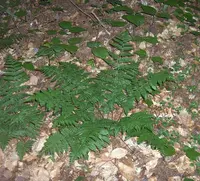
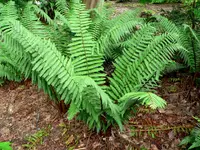
Intermediate woodfern, Dryopteris intermedia, is a hardy deciduous fern native to moist forests and shaded slopes in eastern North America. It forms neat, upright clumps that slowly expand over time. Fronds are finely divided, feather-like, and medium green, giving a soft but structured look to woodland gardens. The plant keeps a tidy shape, which makes it suitable for naturalistic borders and shaded foundation plantings. It prefers cool, evenly moist soil rich in organic matter and shelter from hot, direct sun. These traits make it relatively easy to care for intermediate woodfern in temperate climates when its need for shade and moisture is respected.

Care Difficulty
Moderate Care

Light Preference
Partial Shade

Water Requirements
Keep Soil Moist

Temperature Preference
Cold Hardy

Hardiness Zone
3–8

Soil Texture
Loamy, Silty, Organic-rich

Soil pH
Acidic (5.5–6.5), Slightly acidic (6.5–7.0)

Soil Drainage
Moist but well-drained

Fertilization
Minimal (feed rarely)
Scan your plant to receive care tips personalized for your specific plant
Available on iOS and Android
This woodland fern thrives in cool, shaded conditions with only limited direct sun.
This fern prefers consistently moist, cool soil without becoming waterlogged.
This hardy fern tolerates cold winters but grows best in moderate temperatures.
This woodland fern prefers consistently moist air and reacts quickly to dry conditions.
This fern prefers loose, humus-rich soil that stays evenly moist but never waterlogged.
This species adapts well to container growing when moisture and stability are carefully managed.
This fern grows well in humus-rich soil and needs only light feeding in cultivation.
Pruning Dryopteris intermedia focuses on hygiene and tidy shape rather than heavy cutting.
This fern is usually grown in the ground, with transplanting done only when clumps outgrow their space.
Dryopteris intermedia is most practically propagated by division of established clumps.
This fern is cold hardy in much of its native range and typically needs minimal winter care outdoors.

Plant Health Check
Not sure what's wrong with your plant? Check your plant's health inside the app.
This fern is naturally distributed across moist, cool woodlands of eastern North America, from the Appalachian Mountains into parts of eastern Canada, where it often forms dense, stable understory colonies.
Its fronds are bipinnate, meaning each leaflet is divided again into smaller segments, giving a finely textured, lacy appearance that helps distinguish it from similar shield ferns in the same habitats.
In many parts of its range, the mature fronds remain green under snow cover and only die back in late winter, allowing the plant to start photosynthesis earlier in spring than many neighboring understory species.

Intermediate woodfern frequently hybridizes with other Dryopteris species, and these natural hybrids have been important to botanists for understanding fern evolution, chromosome behavior, and the complex hybrid origins of several North American woodferns.
Browning fronds usually result from low humidity, underwatering, or accumulated salts from fertilizer. Dry air, direct sun, or compacted soil also cause damage. Trim dead fronds and adjust moisture and humidity to stabilize this plant.
Keep your plants happy and healthy with plant identification, disease detection, and easy care guidance.

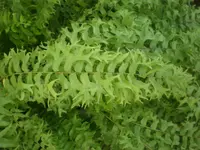
fishtail swordfern
Nephrolepis falcata
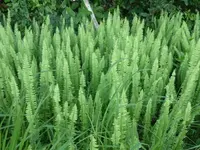
Annual Sword fern
Nephrolepis undulata var. aureoglandulosa
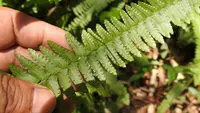
streamside swordfern
Nephrolepis rivularis
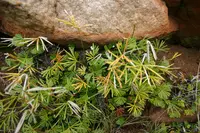
Fan-Leaved Fern
Actiniopteris radiata
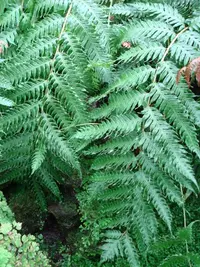
jewelled chain fern
Woodwardia unigemmata
peltate tonguefern
Elaphoglossum peltatum
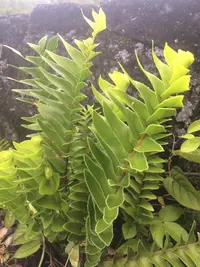
Nephrolepis abrupta
Nephrolepis abrupta
alpine woodfern
Dryopteris wallichiana