Use gemmae divisions
Look for plantlets that form at frond tips, peg them down into moist soil until they root, then sever and transplant to quickly expand a clump with genetically identical plants.

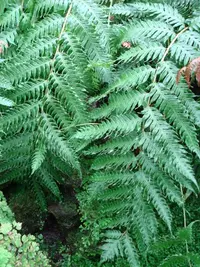
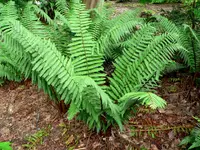
Jewelled chain fern, Woodwardia unigemmata, is a striking clumping fern grown mainly for its colorful new fronds and bold, arching shape. Young fronds often emerge red to bronze, then mature to glossy deep green, giving the plant strong visual interest in shaded gardens.
This species is native to parts of East Asia, where it grows in moist, humus-rich woodland and mountain habitats. It prefers consistently damp soil, shelter from hot sun, and a cool, humid environment, which can influence how easy it is to establish.
Gardeners who learn how to care for jewelled chain fern usually find it reliable in mild, frost-free climates or protected spots, especially when soil moisture is stable and drainage is good.

Care Difficulty
Moderate Care

Light Preference
Partial Shade

Water Requirements
Keep Soil Moist

Temperature Preference
Cool Climate

Hardiness Zone
7–9

Soil Texture
Loamy, Peaty, Organic-rich

Soil pH
Acidic (5.5–6.5), Slightly acidic (6.5–7.0)

Soil Drainage
Moist but well-drained

Fertilization
Minimal (feed rarely)
Scan your plant to receive care tips personalized for your specific plant
Available on iOS and Android
This fern prefers bright, indirect light conditions similar to a lightly shaded woodland edge.
This fern requires consistently moist but not waterlogged soil for healthy frond growth.
This fern thrives in cool to mild conditions and dislikes temperature extremes.
This fern prefers consistently moist air and struggles in very dry rooms.
Soil for this fern must stay evenly moist yet airy to prevent root suffocation.
This species adapts well to container growing when moisture and stability are carefully managed.
This fern benefits from light feeding but grows well in rich, humus soil without heavy fertilization.
Pruning needs for Woodwardia unigemmata are minimal and mainly focused on hygiene and space management.
This fern is usually grown in the ground, so focus on careful transplanting or occasional container upsizing.
Woodwardia unigemmata is most often propagated from its tip bulbils and by division of mature clumps.
This fern is moderately cold hardy but benefits from some winter protection in colder regions.

Plant Health Check
Not sure what's wrong with your plant? Check your plant's health inside the app.
New fronds emerge a vivid red and gradually turn deep green as they mature, a pigment shift that helps protect the young tissue from intense light and UV radiation.
This species forms small plantlets at the tips of its arching fronds, which can root when they touch the ground, allowing the fern to spread vegetatively without spores.
It is naturally found in moist, shaded mountain forests across parts of East Asia, where it grows along stream banks and damp slopes with cool, humid air.

In suitable conditions this fern can form large, dramatic crowns over 1 m across, making it one of the more imposing hardy ferns used in temperate woodland gardens.
Brown, crisp edges usually come from low humidity, irregular watering, or excess fertilizer salts. Increase ambient humidity, keep soil lightly moist but not saturated, flush the pot occasionally, and protect fronds from direct hot air or strong sun.
Keep your plants happy and healthy with plant identification, disease detection, and easy care guidance.