


Mulch for fronds
Apply a 3–5 cm layer of fine bark or leaf mold around, but not touching, the crown to keep roots cool, suppress weeds, and reduce soil splash that can damage emerging croziers (new fronds).

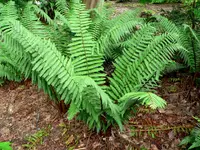
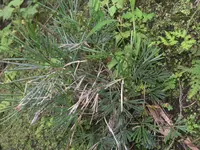
Alpine woodfern, Dryopteris wallichiana, is a hardy, deciduous to semi-evergreen fern valued for its strong upright form and finely divided fronds. New fronds often emerge with a dark, contrasting midrib, giving the clump a bold, architectural look in shaded plantings.
This fern is native to mountainous and woodland regions of Asia and Central America, where it grows in cool, moist, humus-rich soils under partial shade. It is generally reliable and not difficult if its need for consistent moisture and protection from hot, direct sun is met, so learning how to care for alpine woodfern mainly means recreating these woodland conditions.

Care Difficulty
Moderate Care

Light Preference
Partial Shade

Water Requirements
Keep Soil Moist

Temperature Preference
Cold Hardy

Hardiness Zone
5–8

Soil Texture
Loamy, Peaty, Organic-rich

Soil pH
Acidic (5.5–6.5), Slightly acidic (6.5–7.0)

Soil Drainage
Moist but well-drained

Fertilization
Minimal (feed rarely)
Scan your plant to receive care tips personalized for your specific plant
Available on iOS and Android
This fern prefers cool, filtered light similar to a woodland edge.
This species prefers consistently moist but not waterlogged soil.
This hardy fern thrives in cool to mild conditions with good seasonal contrast.
This fern prefers consistently moist air and reacts quickly to dry conditions.
This fern performs best in moist, humus-rich, well-structured soil that never becomes waterlogged.
This species is well suited to container growing outdoors on shaded patios or balconies.
This fern grows well in reasonably fertile soil but benefits from light feeding in containers or poor ground when caring for alpine woodfern.
Dryopteris wallichiana needs only light pruning to keep the clump tidy and healthy.
This fern is usually grown in the ground, with transplanting done infrequently and only when necessary.
This fern is most often propagated by division rather than from spores in home gardens.
This fern is generally cold hardy in suitable climates and requires only moderate winter care outdoors.

Plant Health Check
Not sure what's wrong with your plant? Check your plant's health inside the app.
This species is native to cool, moist montane forests from the Himalayas through western China and into parts of East Asia and Central America, where it often grows on steep, shaded slopes and ravine walls.
Its fronds are carried on noticeably dark to almost black stipes and rachises (the leaf stalk and central axis), which create a strong visual contrast with the bright green leaf blades and help distinguish it from many other woodland ferns.
Rather than spreading aggressively by long rhizomes, it forms dense, upright crowns from a short, stout rhizome, gradually building tall, shuttlecock-like clumps that can persist for many years in one site.

The species commemorates the 19th‑century Danish botanist Nathaniel Wallich, who extensively documented Himalayan flora and whose collections helped introduce many Asian ferns, including this one, to European horticulture.
Fronds usually brown from low humidity, drying winds, or soil that swings between too wet and too dry. Old fronds also brown naturally with age and can be trimmed off to keep the plant tidy.
Keep your plants happy and healthy with plant identification, disease detection, and easy care guidance.

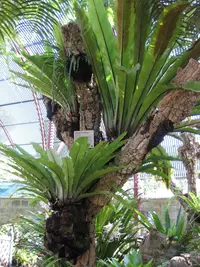
Bird's nest fern
Asplenium australasicum
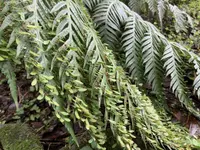
Woodwardia prolifera
Woodwardia prolifera
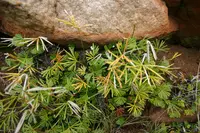
Fan-Leaved Fern
Actiniopteris radiata
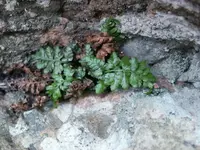
Asplenium balearicum
Asplenium balearicum
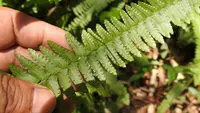
streamside swordfern
Nephrolepis rivularis
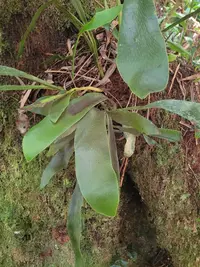
Antrophyum boryanum
Antrophyum boryanum
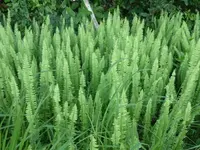
Annual Sword fern
Nephrolepis undulata var. aureoglandulosa
Actiniopteris semiflabellata
Actiniopteris semiflabellata