Asplenium balearicum Care

Alex Yar, Botan author
Reviewed byAlex Yar
Plant Expert

About Asplenium balearicum

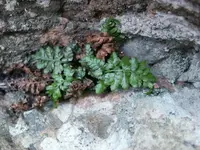
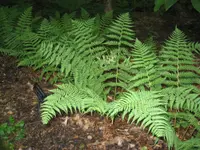
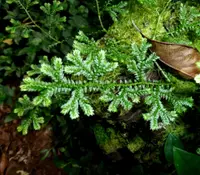
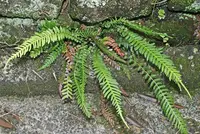
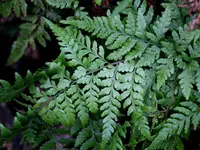
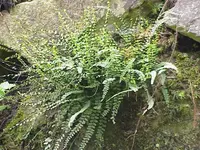
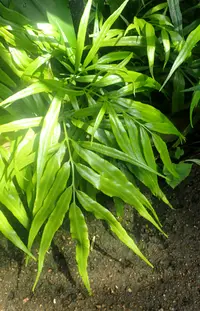
Asplenium balearicum is a small, evergreen fern with finely divided, lace-like fronds that form dense, delicate clumps. It stays relatively compact, which suits small gardens and specialized collections.

This species is native to rocky, shaded habitats in the Balearic Islands and parts of the western Mediterranean, often growing in crevices with constant moisture. It can be slow to establish and prefers stable, humid conditions, so it is not the easiest fern for beginners.

Those who want to learn how to care for Asplenium balearicum should focus on cool, shaded positions, evenly moist but well-drained substrate, and protection from drying winds or indoor drafts.

Main Plant Requirements

Care Difficulty

Moderate Care

Light Preference

Partial Shade

Water Requirements

Keep Soil Moist

Temperature Preference

Warm Climate

Hardiness Zone

Unknown

Soil Texture

Loamy, Peaty, Organic-rich

Soil pH

Acidic (5.5–6.5)

Soil Drainage

Moist but well-drained

Fertilization

Light (every 4–6 weeks)

Get Personalized Care Plan

Scan your plant to receive care tips personalized for your specific plant

Available on iOS and Android

How to Care for the Asplenium balearicum

This fern prefers soft, forest-like light rather than direct, open sun.

  • Provide bright, filtered light or light dappled shade, such as under taller plants or a shade cloth, with 2–4 hours of gentle morning sun if possible.
  • Avoid strong midday and afternoon sun, which can scorch fronds, cause pale or crispy tips, and dry the soil too fast for Asplenium balearicum.
  • In summer, shift plants to deeper shade if fronds yellow or curl; in winter, allow more indirect light by thinning overhead cover or moving closer to brighter windows.

This species needs consistently moist but never waterlogged soil around its roots.

  • Aim for soil that stays slightly damp; in active growth, water when the top 1–2 cm feels just starting to dry, and in cooler months wait until 2–3 cm are dry.
  • Use loose, humus-rich soil with good drainage so water moves through within a few seconds, reducing the risk of root rot and stagnant, sour-smelling mix.
  • Watch for dull, limp fronds and dry, crispy edges as signs of underwatering, and blackened bases or a sour odor as warning signs of overwatering in Asplenium balearicum.

This fern prefers mild, stable temperatures with protection from frost and extreme heat.

  • Ideal growth occurs at 60–75°F (16–24°C), with steady humidity and sheltered conditions similar to a shaded woodland or coastal habitat.
  • Protect the plant from temperatures below 40°F (4°C); light frost can damage fronds, and repeated freezing can kill the crown and roots.
  • During hot spells above 85°F (29°C), move plants into deeper shade, avoid heat-reflecting surfaces, and increase airflow to limit stress and frond scorch.

This fern prefers consistently high humidity to maintain healthy fronds.

  • Aim for 60–80% humidity; prolonged air below 50% often leads to browning tips and crisp edges.
  • Keep the plant away from heating vents and strong drafts, which dry the air rapidly and stress fronds.
  • Increase humidity with a nearby humidifier or grouping plants together; avoid misting directly if water lingers on fronds.

This species needs a loose, moist, and well-aerated mix that mimics leaf-litter forest floor conditions.

  • Use a mix of 40% peat or coco coir, 30% fine bark, and 30% perlite or pumice for airy, moisture-retentive structure.
  • Target a slightly acidic pH around 5.5–6.5, which supports nutrient uptake and reduces stress for Asplenium balearicum.
  • Ensure rapid drainage through the entire root zone; water should pass through in seconds, not sit on the surface.
  • Avoid heavy garden soil, pure compost, or mixes dominated by fine sand, which compact easily and suffocate roots.

This fern is suitable for container growing, especially in humid, sheltered spots.

  • Choose a pot only 2–4 cm wider than the root mass so the mix dries evenly and does not sour around the edges.
  • Select a slightly heavier ceramic or clay pot outdoors to prevent the fronds from making the container top-heavy in wind.
  • Use a shallow but broad pot to allow the fibrous roots to spread horizontally, supporting stable frond growth.

This fern benefits from light, targeted feeding in containers or poor soils, but overfertilization harms Asplenium balearicum.

  • Use a balanced liquid fertilizer (such as 10-10-10) at 1/4–1/2 strength for potted plants during active growth.
  • Apply every 4–6 weeks in spring and summer only if growth appears weak or foliage pale.
  • Skip feeding in fall and winter, or when temperatures stay below 60°F and growth is minimal.
  • Compost or a slow-release, low-dose fertilizer can be mixed sparingly into the top layer of potting mix in spring.

This fern needs only light, hygienic pruning to maintain a tidy clump and healthy fronds.

  • Best timing is late winter to early spring, before strong new frond growth starts.
  • Remove dead, yellowing, or damaged fronds at the base using clean, sharp scissors or pruning shears.
  • Thin out overcrowded, shading fronds to improve air circulation and reduce fungal problems.
  • Avoid heavy cutting into the central crown, as this can reduce vigor and distort the plant’s natural form.

This species prefers stable conditions and modest root disturbance, so repotting or transplanting should be infrequent and careful.

  • Repot only when roots circle the pot, emerge from drainage holes, or growth slows despite good care, typically every 2–3 years.
  • Schedule repotting in early spring, using a slightly larger container with a loose, humus-rich, well-drained mix.
  • Lift the plant gently, keep the root ball mostly intact, and avoid breaking the fibrous roots or crown.
  • Water thoroughly after potting, keep humidity high, and shade from strong sun for 1–2 weeks to reduce transplant stress.

Vegetative propagation is possible but limited, as this fern does not form obvious offsets and is mainly increased by spores in specialist settings.

  • Division is sometimes feasible in early spring if the plant has naturally formed distinct crowns in the clump.
  • Lift the plant carefully and separate only firm, well-rooted sections, each with its own growing point and attached roots.
  • Replant divisions into small pots with moist, airy, humus-rich mix, keeping the crown at the original depth.
  • Maintain high humidity, gentle airflow, and stable warmth (65–75°F), keeping the substrate just moist until growth resumes.

Cold sensitivity means this fern needs mild winters or protection from freezing conditions.

  • In regions with frost risk, grow in containers and move indoors or into a frost-free greenhouse before temperatures drop near 32°F.
  • Indoors, provide 50–60°F, bright indirect light, and slightly reduced watering while keeping the root zone evenly moist.
  • For plants in mild coastal climates, apply a light mulch around the root zone to buffer temperature swings and conserve moisture.

Care Tips

Frond protection

Place the pot where fronds can arch freely without brushing against walls or traffic areas, as repeated mechanical damage to the thin pinnae reduces photosynthesis and invites fungal issues.


Water-quality management

Use rainwater, distilled, or low-mineral filtered water and occasionally flush the pot thoroughly to reduce salt buildup, which this species shows as brown pinnae tips and margins.

Cool-root strategy

Keep the root zone slightly cooler than room air by using clay pots and avoiding heated window ledges, since this helps maintain steady moisture and reduces stress in warmer homes.

Targeted pest checks

Inspect the undersides of fronds and the tight crown monthly with a hand lens, and remove scale or mites early with a cotton swab dipped in diluted insecticidal soap, avoiding heavy sprays into the crown.

Gentle repot handling

When repotting, slide the root ball out with minimal disturbance and only loosen the outer 1–2 cm of roots, as aggressive teasing or division often sets this fern back more than helps when caring for Asplenium balearicum.

Common Pests and Diseases

Scale insects

These insects attach to frond surfaces and midribs, sucking sap and causing yellowing, speckling, and weak, stunted fronds.

Solution

Isolate the plant, then gently wipe fronds and stipes with a soft cloth or cotton swab dipped in diluted alcohol or insecticidal soap, taking care not to saturate the growing crown; repeat weekly until no new scale appears and maintain higher humidity and good air movement to reduce stress that favors infestations when caring for Asplenium balearicum.

Mealybugs

This pest appears as white, cottony clusters in frond bases and along the rhachis, leading to sticky honeydew and deformation of new growth.

Solution

Physically remove mealybugs with a cotton swab dipped in alcohol, then rinse the fronds with lukewarm water and apply a light, fern-safe insecticidal soap spray, repeating every 7–10 days while checking tight crevices near the crown for hidden insects.

Bacterial leaf blight

This disease causes water-soaked, translucent lesions on pinnae that turn brown, often starting along the edges or damaged tissue and spreading in humid, stagnant air.

Solution

Remove and discard affected fronds with sterile tools, improve air circulation around the plant, avoid wetting the foliage when watering, and keep the crown dry, only watering the substrate in the morning so surfaces can dry quickly.

Fungal leaf spot

Symptoms include small dark or tan spots that may have a purple or darker margin, sometimes coalescing into larger dead patches on older fronds under persistently damp conditions.

Solution

Trim off badly affected fronds, reduce overhead misting, space plants to allow faster drying, and if spotting continues, apply a fern-safe fungicide according to label directions while keeping humidity moderate but not dripping on the foliage.

Nematode damage

This disease is caused by microscopic worms in the substrate that damage fine roots, leading to slow growth, poor frond expansion, and general decline despite correct light and humidity.

Solution

Discard severely affected potting mix, rinse roots gently, and repot into fresh, well-drained but moisture-retentive medium; avoid reusing old soil or pots without thorough cleaning, and keep the plant in stable moisture conditions to support new root formation.

Interesting Facts

Balearic island endemic

This fern is naturally restricted to the Balearic Islands in the western Mediterranean, where it occupies a very narrow geographic range compared with many other Asplenium species.

Calcicole rock specialist

It typically grows in crevices of limestone and other calcareous rocks, showing a strong preference for alkaline, calcium-rich substrates rather than acidic soils.

Fronds adapted to shade

Its small, finely divided fronds are adapted to low-light rock ledges and cliff faces, helping the plant efficiently capture diffuse light while reducing water loss in exposed, breezy sites.

FAQs about Asplenium balearicum

Growth is generally slow to moderate. In suitable conditions it adds only a few fronds each year and may take several years to form a dense clump. Limited root space, low humidity, or nutrient-poor substrate slow growth further.

Grow Healthy Plants with Botan Care

Keep your plants happy and healthy with plant identification, disease detection, and easy care guidance.

Botan plant care app — identify plants on mobile

Explore More Plants