wedgeleaf spleenwort Care (Asplenium cuneatum)

wedgeleaf spleenwort

About wedgeleaf spleenwort

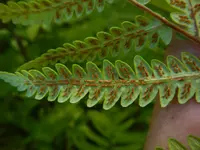
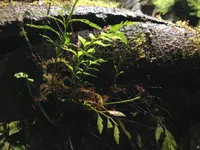
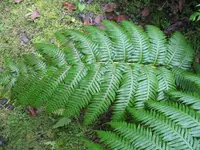
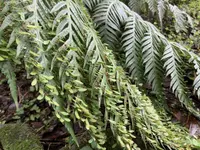
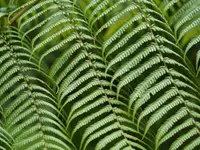
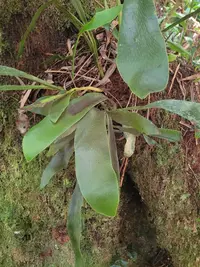
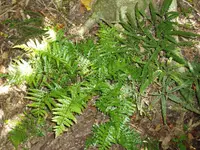
Wedgeleaf spleenwort, Asplenium cuneatum, is a small epiphytic fern often found growing on rocks or tree trunks in humid forests. It forms graceful rosettes of narrow, wedge-shaped fronds that create a fine, airy texture. Native mainly to tropical and subtropical regions, it prefers consistently moist, cool, shaded habitats with good air movement. The plant can be moderately challenging, as it dislikes drying out, direct sun, or stagnant, soggy conditions. Those learning how to care for wedgeleaf spleenwort benefit from stable humidity, soft light, and a loose, well-drained, organic-rich growing medium.

Main Plant Requirements

Care Difficulty

Moderate Care

Light Preference

Partial Shade

Water Requirements

Keep Soil Moist

Temperature Preference

Tropical / Frost Sensitive

Hardiness Zone

Unknown

Soil Texture

Loamy, Peaty, Organic-rich

Soil pH

Acidic (5.5–6.5)

Soil Drainage

Moist but well-drained

Fertilization

Light (every 4–6 weeks)

Get Personalized Care Plan

Scan your plant to receive care tips personalized for your specific plant

Available on iOS and Android

How to Care for the wedgeleaf spleenwort

This fern prefers soft, filtered light that mimics a shaded woodland edge.

  • Provide bright, indirect light or dappled shade for 4–6 hours daily; morning sun filtered through sheer curtains or foliage is ideal for wedgeleaf spleenwort.
  • Avoid harsh midday or afternoon sun, which can scorch fronds and cause pale, crispy tips; use shade cloth or plant under high tree canopy outdoors.
  • In winter, move plants slightly closer to a bright window or canopy gap, but still shield from direct sun to prevent leaf stress from low humidity and glare.

This fern thrives in consistently moist but not waterlogged soil.

  • Water when the top 1–2 cm of soil feels barely dry, aiming to keep the root zone evenly damp rather than cycling between wet and dry.
  • Use a loose, humus-rich, well-drained mix so water drains within 30–60 seconds, reducing the risk of root rot in Asplenium cuneatum.
  • In warmer months, dryness shows as limp or curling fronds; in cooler seasons reduce volume slightly, and watch for yellowing, mushy bases as a sign of overwatering.

This species prefers mild, frost-free conditions with stable temperatures.

  • Aim for 60–80°F (16–27°C) for active growth; brief drops to 50°F (10°C) are usually tolerated but may slow new fronds.
  • Protect from cold snaps below 45°F (7°C), since repeated exposure near freezing can damage fronds and crowns, especially in exposed garden sites.
  • In hot periods above 85°F (29°C), increase shade and airflow, and avoid placing the plant near heat-reflective surfaces that can cause leaf scorch and stress.

This fern needs consistently moist air to maintain healthy fronds.

  • Aim for 50–70% humidity; it tolerates brief dips lower but not prolonged very dry air.
  • Crisping tips, folded fronds, and stalled new growth indicate low humidity stress in wedgeleaf spleenwort.
  • Increase humidity with a pebble tray, grouped plants, or a small humidifier rather than misting heavily.

This fern prefers a loose, moisture-retentive but free-draining substrate rich in organic matter.

  • Use a mix of 50–60% peat or coco coir, 20–30% fine bark, and 10–20% perlite to balance moisture and aeration.
  • Aim for slightly acidic to neutral pH around 5.5–7.0, similar to many Asplenium cuneatum habitats.
  • Ensure the mix drains within a few seconds when watered yet feels lightly damp rather than compacted afterward.
  • Avoid heavy garden soil, large amounts of sand, or clay-based mixes that either waterlog roots or dry to a hard crust.

This species adapts well to container growing when moisture and stability are managed carefully.

  • Choose a pot only 2–4 cm wider than the root ball so the mix does not stay wet for excessive periods after watering.
  • Select a stable, heavier container if the fronds arch outward, to prevent the plant from tipping as it gains size.
  • Use a pot material that matches the environment, such as plastic in dry rooms to slow moisture loss or unglazed clay where excess moisture is a concern.

This fern benefits from light, consistent feeding during active growth rather than heavy fertilization.

  • Use a balanced liquid fertilizer (such as 10-10-10) diluted to 1/4–1/2 strength for Asplenium cuneatum.
  • Feed every 4–6 weeks in spring and summer when growth is active.
  • Skip or reduce feeding to 1 light dose for the entire period in fall and winter.
  • Organic options like weak compost tea are suitable if the potting mix drains well.

Pruning focuses on hygiene and maintaining a neat, healthy canopy rather than reshaping Asplenium cuneatum.

  • Best time to prune is late winter to early spring or whenever dead fronds appear.
  • Remove dead, yellowing, or damaged fronds at the base with clean, sharp scissors.
  • Thin out crowded inner fronds to improve air flow and reduce fungal risk.
  • Avoid cutting healthy green fronds heavily, as this slows growth and weakens the plant.

Repotting should be infrequent and gentle, as this fern resents major root disturbance.

  • Repot every 2–3 years when roots circle the pot, drainage slows, or growth becomes weak.
  • Choose early spring for repotting wedgeleaf spleenwort, just before active growth resumes.
  • Move into a pot only 2–3 cm wider, using a loose, moisture-retentive fern mix.
  • Handle roots carefully, keep the original root ball mostly intact, and water lightly to settle the mix.

Propagation of Asplenium cuneatum is possible but usually slow and best suited to patient growers.

  • Division is the most practical method; attempt only on well-established clumps in early spring.
  • Lift the plant, keeping root disturbance minimal, and separate into sections with several healthy fronds each.
  • Replant divisions into small pots with moist, airy fern mix, then keep humidity high and light indirect.
  • Spore propagation is technically possible but requires sterile conditions, warmth, and constant moisture.

This fern dislikes frost and needs protection in regions with cold winters.

  • In zones colder than 10, grow Asplenium cuneatum in containers and move indoors before temperatures drop below 45°F.
  • Provide bright, indirect light indoors and keep temperatures around 60–75°F.
  • Maintain slightly moist soil, never waterlogged, while growth is slower in winter.
  • Outdoors in mild climates, add a light mulch around the root zone to buffer temperature swings.

Care Tips

Frond refresh

Rinse the fronds under a gentle, lukewarm shower every 2–4 weeks to remove dust, improve light capture, and reduce spider mite pressure without using leaf-shine products.

Stable pot positioning

Place the pot in a cachepot or heavier outer container to keep the shallow root system stable, preventing wobbling that can damage new croziers (unfurling fronds).

Divide only mature

If the clump becomes crowded, divide it only when the plant is strong and actively growing, then replant divisions at the same depth and keep them in high humidity until new growth appears.

Quarantine new plants

Keep new plants in a separate area for 2–3 weeks and inspect fronds and undersides regularly, which helps prevent scale and mealybugs from spreading to an established specimen when caring for wedgeleaf spleenwort.

Seasonal light shift

Shift the plant slightly closer to a bright window in winter and back a little in summer to maintain consistent frond density without exposing it to direct midday sun.

Common Pests and Diseases

Scale insects

This pest attaches tightly to the fronds and stipes, appearing as small brown or tan bumps that cause yellowing and weakening of the plant. Symptoms include sticky honeydew on fronds and nearby surfaces, sometimes followed by sooty mold growth.

Solution

Remove heavily infested fronds and gently scrape or wipe remaining scales with a cotton swab dipped in diluted alcohol, taking care not to damage the thin fronds. For larger infestations, use an insecticidal soap or light horticultural oil labeled as safe for ferns, applied in several treatments 7–10 days apart and combined with improved air movement and careful monitoring.

Fern aphids

These insects cluster on soft new fronds and undersides, sucking sap and causing distortion, curling, and pale growth. Symptoms include sticky honeydew and occasional presence of ants farming the aphids.

Solution

Rinse colonies off with a gentle but thorough stream of lukewarm water, repeating every few days until populations drop. If needed, apply insecticidal soap to the undersides of fronds, avoiding direct sun after treatment, and remove the most distorted fronds to encourage clean new growth as part of broader Asplenium cuneatum care instructions.

Rhizoctonia leaf spot

This disease causes irregular brown or dark reddish spots along the frond segments, often starting where moisture lingers on the leaf surface. Symptoms include gradual expansion of spots that can merge and cause sections of the frond to dry and die back.

Solution

Cut off and discard affected fronds to reduce inoculum, and water at the soil level so fronds stay as dry as possible. Improve air circulation around the plant, avoid overcrowding, and if spotting continues to spread, use a fungicide labeled for ornamental ferns, following the product directions closely.

Bacterial blight

This disease leads to translucent, water-soaked patches on young fronds that quickly turn brown and may have a yellow halo. Symptoms include rapid collapse of affected tissue, starting in the more humid inner parts of the clump.

Solution

Remove and discard all visibly affected fronds with sterilized tools, and avoid splashing water on the foliage. Reduce humidity around the plant slightly, increase air movement, and allow the surface of the potting mix to dry a bit between waterings; severe or persistent cases may require discarding the most affected plant to protect nearby ferns.

Soft scale with sooty mold

This pest produces abundant honeydew on the thin fronds, which supports growth of black sooty mold that coats the leaf surface and reduces photosynthesis. Symptoms include dull, blackened fronds that feel sticky to the touch, even when the insects themselves are not immediately obvious.

Solution

First wipe or rinse off sooty mold with lukewarm water and a soft cloth to restore light to the fronds, then carefully inspect and treat the soft scales using insecticidal soap or a light horticultural oil suitable for ferns, focusing on vein areas and stipes. Repeat treatments every 7–14 days until no new honeydew appears, and isolate the plant from others while managing the infestation.

Interesting Facts

Distinct wedge-shaped pinnae

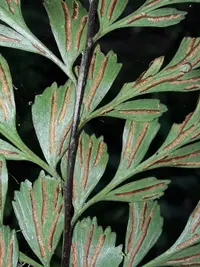
This fern is recognized by its small, wedge-shaped leaf segments (pinnae) that are broader at the tip and narrower at the base, a defining feature that led to the common name wedgeleaf spleenwort.

Rock and wall specialist

In nature it often grows in crevices of shaded limestone or mortar walls, anchoring its short rhizomes into tiny pockets of crumbly, alkaline substrate with good drainage.

Moisture-sensitive fronds

The delicate, thin-textured fronds lose turgor quickly if air or soil becomes too dry, which is why Asplenium cuneatum care instructions emphasize consistently moist but not waterlogged conditions.

FAQs about wedgeleaf spleenwort

This fern forms small, slowly expanding clumps and is not considered aggressive. It spreads mainly by short rhizomes and spores, usually staying where moisture and shade are stable rather than overrunning nearby plants.

Grow Healthy Plants with Botan Care

Keep your plants happy and healthy with plant identification, disease detection, and easy care guidance.


Botan plant care app — identify plants on mobile

Explore More Plants