


Anchor Long Fronds
Position mossy rocks, bricks, or low edging along the soil surface so the arching frond tips can root into them instead of walkways or lawn areas, which helps direct new plantlets where they are wanted.

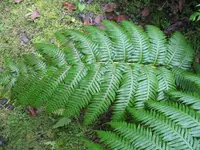
Rooting chainfern, Woodwardia radicans, is a large evergreen fern known for its long, arching fronds and ability to form new plantlets at the frond tips. These tips root when they touch moist soil, gradually creating wide colonies in suitable conditions.
In nature, it grows in moist, shaded ravines and stream banks, mainly in Mediterranean and subtropical regions. The plant prefers consistently damp, humus-rich soil and protection from harsh sun and drying winds.
Its size, need for steady moisture, and dislike of drying out make it a bit more demanding than many common ferns. Gardeners who understand how to care for rooting chainfern usually find it reliable and long-lived in the right spot.

Care Difficulty
Moderate Care

Light Preference
Partial Shade

Water Requirements
Keep Soil Moist

Temperature Preference
Warm Climate

Hardiness Zone
8–11

Soil Texture
Loamy, Silty, Organic-rich

Soil pH
Acidic (5.5–6.5), Slightly acidic (6.5–7.0)

Soil Drainage
Moist but well-drained

Fertilization
Minimal (feed rarely)
Scan your plant to receive care tips personalized for your specific plant
Available on iOS and Android
This fern prefers bright, filtered light that mimics a moist woodland edge.
This fern needs consistently moist but not waterlogged soil around its root zone.
This fern prefers mild, frost-free conditions with stable moisture and shelter from extremes.
This fern needs consistently high humidity to keep fronds lush and prevent tip dieback.
This fern prefers moist, airy, organic-rich soil that mimics a damp woodland floor.
This species grows well in containers if the pot supports its spreading, arching habit.
Woodwardia radicans benefits from light, consistent nutrition but reacts poorly to heavy feeding.
Pruning Woodwardia radicans focuses on hygiene and maintaining an open, graceful clump.
This fern is usually grown in the ground, but occasional transplanting or pot adjustment keeps it vigorous.
Woodwardia radicans is most often propagated by division or its natural tip-rooting habit.
Woodwardia radicans is moderately hardy but benefits from some winter protection in colder regions.

Plant Health Check
Not sure what's wrong with your plant? Check your plant's health inside the app.
This fern produces long arching fronds whose tip bulbils root when they touch moist soil or moss, allowing the plant to spread vegetatively across rock faces and banks.
It is naturally associated with humid, oceanic-influenced laurel forests and ravines in parts of Macaronesia and the western Mediterranean, where it grows in constantly damp, shaded habitats near streams and waterfalls.
In suitable conditions, mature plants form gracefully arching fronds that can exceed 1.5–2 m in length, giving a markedly tropical appearance even in mild temperate climates.

In its native range, this species is considered a relict of ancient subtropical flora that once covered wider areas of southern Europe and North Africa, so modern populations help scientists understand how past climate shifts reshaped plant distributions.
This species spreads steadily by long arching fronds that root at their tips, forming new crowns. It is not usually invasive but can cover a good area over time if conditions remain consistently moist and shaded.
Keep your plants happy and healthy with plant identification, disease detection, and easy care guidance.

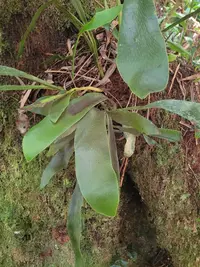
Antrophyum boryanum
Antrophyum boryanum

golden leatherfern
Acrostichum aureum
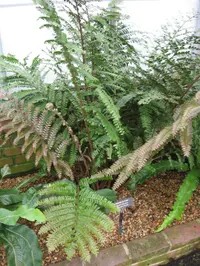
Cloak Fern
Didymochlaena truncatula
 POPULAR
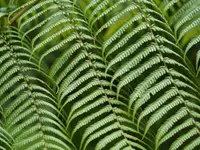
Tasmanian tree fern
Dicksonia antarctica

graceful fern
Niphidium crassifolium
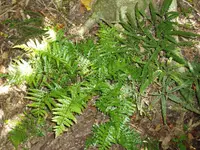
Asplenium lamprophyllum
Asplenium lamprophyllum
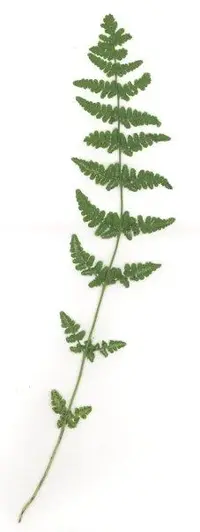
bluntlobe cliff fern
Woodsia obtusa
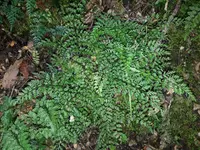
Hooker's Spleenwort
Asplenium hookerianum