graceful fern Care (Niphidium crassifolium)

graceful fern

About graceful fern

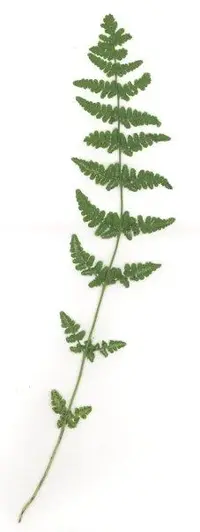
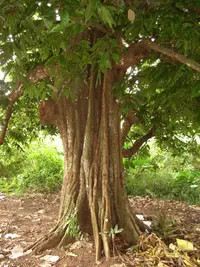
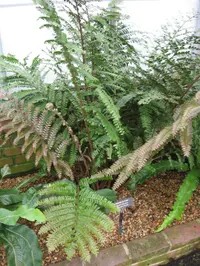
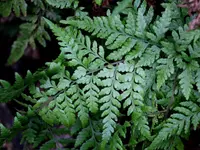
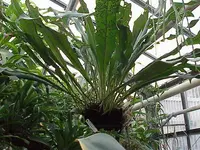
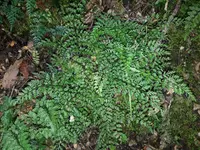
Graceful fern, Niphidium crassifolium, is an evergreen epiphytic fern that often grows on tree trunks or rocks in tropical forests of Central and South America. It forms arching rosettes of broad, leathery fronds with a clean, simple look that suits modern interiors.

In the wild it prefers warm, humid, shaded habitats with constant but gentle air movement. Indoors it usually grows at a moderate pace and stays relatively compact.

Its thick fronds and sturdy rhizomes make it more forgiving of brief dryness than many delicate ferns, but it still dislikes extremes. Stable humidity, soft indirect light, and a loose, airy mix help care for graceful fern successfully.

Main Plant Requirements

Care Difficulty

Moderate Care

Light Preference

Bright Indirect Light

Water Requirements

Keep Soil Moist

Temperature Preference

Tropical / Frost Sensitive

Hardiness Zone

11–12

Soil Texture

Loamy, Peaty, Organic-rich

Soil pH

Acidic (5.5–6.5)

Soil Drainage

Moist but well-drained

Fertilization

Light (every 4–6 weeks)

Get Personalized Care Plan

Scan your plant to receive care tips personalized for your specific plant

Available on iOS and Android

How to Care for the graceful fern

This epiphytic fern prefers bright, gentle light that mimics dappled forest shade.

  • Provide 6–8 hours of bright, filtered light each day, such as under a sheer curtain or beneath taller plants when growing graceful fern outdoors.
  • Allow only soft morning sun; avoid strong midday and afternoon sun, which can scorch fronds and leave pale, crispy patches.
  • In darker seasons, move the plant closer to a bright window or higher under a skylight to prevent stretched, weak fronds and slow growth.

This fern prefers consistently lightly moist conditions without staying waterlogged.

  • Water when the top 2–3 cm of soil or substrate feels just starting to dry, then moisten evenly until excess drains away.
  • During active growth in spring and summer, expect more frequent watering; in cooler months, allow the surface to dry a bit more before watering again.
  • Watch for signs: yellowing, limp fronds suggest overwatering and poor drainage, while crisp browning tips and drooping fronds indicate the plant is too dry.

This species thrives in stable, warm conditions similar to a humid tropical understory.

  • Aim for 65–80°F (18–27°C) for best growth, with only small daily swings to avoid stress on fronds and roots.
  • Protect from cold; growth slows below 60°F (16°C), and damage occurs near 40°F (4°C), so avoid frost and chilly drafts entirely.
  • In hot spells above 85°F (29°C), increase shade and airflow and never let the root zone dry out completely to prevent heat stress.

This fern prefers consistently moist air and reacts quickly to dry indoor conditions.

  • Aim for 60–80% humidity; it tolerates brief dips near 50% but suffers in heated, dry rooms.
  • Crisping frond edges, dull color, and stalled new fronds signal humidity stress rather than underwatering.
  • Increase humidity with a nearby humidifier, grouping plants, or a wide pebble tray, avoiding misting that keeps fronds wet for long periods.

This epiphytic fern needs a loose, airy, organic-rich mix that drains fast yet holds steady moisture.

  • Use roughly 40% fine orchid bark, 30% peat or coco coir, 20% perlite, and 10% compost for Niphidium crassifolium.
  • Keep pH slightly acidic to neutral, around 5.5–7.0, avoiding strongly alkaline mixes that limit nutrient uptake.
  • Ensure large air spaces in the mix; chunky bark and perlite prevent compaction and protect fleshy roots from rot.
  • Avoid dense garden soil, heavy clay, and mixes that stay waterlogged for more than 24 hours after watering.

This species adapts well to container growing when the pot minimizes waterlogging and supports spreading fronds.

  • Choose a low, wide container so the shallow root system can spread while the plant remains stable as fronds lengthen.
  • Select a pot material with moderate breathability, such as unglazed clay, to offset the moisture-retentive, organic mix.
  • Elevate the pot on feet or a stand so drainage holes stay clear and excess water cannot reabsorb into the root zone.

Niphidium crassifolium benefits from light, consistent feeding during active growth but is sensitive to excess salts.

  • Use a balanced liquid fertilizer (around 10-10-10 or 20-20-20) diluted to 1/4–1/2 strength for graceful fern indoor care.
  • Feed every 4–6 weeks in spring and summer when new fronds are forming.
  • Skip or halve feedings in fall and winter when growth slows.
  • Rinse the potting mix with plain water every 2–3 months to prevent fertilizer salt buildup.

Niphidium crassifolium needs only light pruning to keep fronds clean and the plant healthy.

  • Best time for pruning is late winter to early spring, before strong new growth starts.
  • Remove dead, yellowing, or damaged fronds at the base with clean, sharp scissors or pruners.
  • Thin out badly crowded fronds to improve air circulation and reduce fungal problems.
  • Avoid cutting healthy fronds back hard, as this can weaken the plant and slow growth.

This fern prefers slightly snug conditions but benefits from occasional repotting to refresh the root zone.

  • Check for roots circling the pot, emerging from drainage holes, or noticeably slow growth as signals to repot.
  • Plan to repot every 2–3 years in spring, using a shallow, wide container with excellent drainage.
  • Gently loosen circling roots and remove some old mix, keeping the root ball as intact as possible to limit stress.
  • Water thoroughly after repotting and keep in bright, indirect light with stable humidity while the plant recovers.

Niphidium crassifolium is most practically propagated by division, while spore propagation is slow and technical.

  • Divide in spring when repotting, choosing a healthy clump with several fronds and a good root system.
  • Use a clean, sharp knife to split the rhizome into sections, minimizing root damage.
  • Plant divisions in a loose, moisture-retentive fern mix and keep evenly moist, not waterlogged.
  • Maintain high humidity, warm temperatures (70–80°F), and indirect light until new growth is established.

This tropical fern is frost-sensitive and needs mild, protected conditions during winter.

  • Keep temperatures above 55°F; prolonged exposure to colder air can damage fronds and roots.
  • Move container plants indoors or into a greenhouse before the first light frost.
  • Provide bright, indirect light and maintain moderate humidity with trays or a room humidifier.
  • Allow the top of the mix to dry slightly between waterings, as winter root rot risk increases in cool, wet soil.

Care Tips

Epiphytic mounting

Mount the plant on cork bark or tree fern board with a thin layer of long-fiber sphagnum around the roots, then secure with soft ties or fishing line to mimic its natural epiphytic habit and improve root aeration.

Wide, shallow pots

Use a wide, shallow container rather than a deep one to accommodate its spreading rhizomes and allow new fronds to emerge freely at the edges without crowding.

Frond cleaning routine

Every 4–6 weeks, gently wipe both sides of the leathery fronds with a damp, soft cloth to remove dust, which helps maintain efficient photosynthesis and reduces the risk of spider mites.

Substrate refreshing

Instead of full repotting each year, carefully lift the plant and top up around the rhizomes with fresh, chunky mix to replace decomposed material while avoiding major disturbance of established roots.

Stable support positioning

If grown in a hanging pot, position the container so fronds can arch naturally without rubbing on walls or railings, which prevents mechanical damage and frond tip browning when growing graceful fern indoors.

Common Pests and Diseases

Scale insects

This pest attaches to the thick fronds and rhizomes, appearing as small brown or tan bumps that suck plant sap and cause yellowing or weakening of fronds.

Solution

Isolate the plant, then manually remove scales with a cotton swab dipped in 70% isopropyl alcohol and rinse the fronds under lukewarm water; for larger infestations, follow with 2–3 applications of a horticultural oil spray at 7–10 day intervals, ensuring good coverage of both frond surfaces and rhizomes while keeping the plant out of direct sun until dry.

Mealybugs

These insects gather in leaf bases and along the rhizome, forming white, cottony clusters that stunt new growth and leave sticky honeydew on fronds.

Solution

Remove heavily infested fronds, then dab remaining mealybugs with alcohol-soaked cotton swabs and rinse the plant thoroughly; repeat inspections weekly and, if needed, apply an insecticidal soap solution to all hidden crevices, improving air circulation and avoiding excess nitrogen fertilization that encourages soft, susceptible growth.

Spider mites

This pest thrives in warm, dry indoor air, causing fine speckling, dull fronds, and delicate webbing between pinnae and along midribs.

Solution

Increase humidity to 50–60%, then gently shower the fronds, focusing on the undersides, and repeat every few days; for persistent mites, use insecticidal soap or a neem-based product in several treatments 5–7 days apart, while keeping the plant out of hot sun and monitoring nearby plants for spread.

Bacterial leaf spot

This disease produces water-soaked, translucent spots on the leathery fronds that may turn dark and irregular, often starting where water sits on the surface for long periods.

Solution

Remove and discard affected fronds, avoid overhead watering, and water at the base so fronds dry quickly; improve air movement around the plant and, if spotting continues, apply a copper-based bactericide according to label directions, taking care not to overuse it on tender new growth.

Rhizome rot

This disease affects the thick creeping rhizomes when substrate stays saturated, leading to soft, darkened tissue, frond collapse, and a sour smell from the potting mix.

Solution

Unpot the plant, cut away all mushy rhizome sections with a sterile blade, and replant only firm, healthy pieces in a well-drained, coarse fern mix; water thoroughly but let the top layer of mix partly dry between waterings, reduce frequency in low light, and ensure the container has open drainage to support growing graceful fern in long-term health.

Interesting Facts

Single, thick frond

This fern typically produces one undivided, strap-shaped frond per growing point, which can be thick and leathery compared with many other ferns, an adaptation that helps reduce water loss in exposed canopy habitats.

Epiphyte and lithophyte

In the wild it often grows as an epiphyte on tree trunks and branches or as a lithophyte on rocks, anchoring itself with a dense root mass that traps leaf litter and moisture rather than relying on soil.

Spore lines between veins

Its spores are borne in elongated sori that form neat parallel lines between the lateral veins on the underside of the frond, a distinctive pattern that helps botanists recognize this species in the field.

Botan icon

Did you know?

In parts of its native Neotropical range, this fern can form large, basket-like root and rhizome masses that accumulate organic debris, creating miniature soil islands high in the canopy and providing habitat for small invertebrates and other epiphytic plants.

FAQs about graceful fern

Brown tips or edges usually result from low humidity, underwatering, or exposure to hot, dry air. Browning in patches may indicate salt buildup from fertilizer. Trim damaged fronds and correct the underlying environmental stress.

Grow Healthy Plants with Botan Care

Keep your plants happy and healthy with plant identification, disease detection, and easy care guidance.

Botan plant care app — identify plants on mobile

Explore More Plants