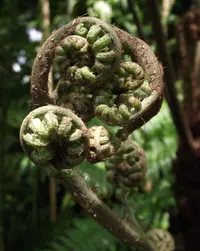
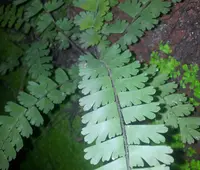
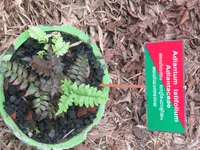
shiny shield-fern Care (Parapolystichum acuminatum)

shiny shield-fern

About shiny shield-fern

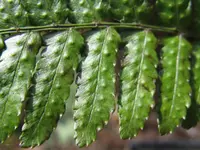
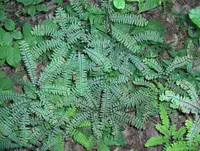
Shiny shield-fern, Parapolystichum acuminatum, is an evergreen fern valued for its glossy, finely divided fronds and tidy clumping habit. It forms low, arching rosettes that create a dense, polished green carpet.

This species is native to moist forests and shaded gullies in parts of Australia and nearby regions, where it grows in humus-rich, consistently damp soil. Its preference for steady moisture and shelter from hot sun means it suits shaded gardens and protected indoor displays.

For anyone learning how to care for shiny shield-fern, its main needs are stable humidity, gentle light, and free-draining but constantly lightly moist substrate, without long dry periods.

Main Plant Requirements

Care Difficulty

Moderate Care

Light Preference

Partial Shade

Water Requirements

Keep Soil Moist

Temperature Preference

Warm Climate

Hardiness Zone

9–11

Soil Texture

Loamy, Peaty, Organic-rich

Soil pH

Acidic (5.5–6.5), Slightly acidic (6.5–7.0)

Soil Drainage

Moist but well-drained

Fertilization

Minimal (feed rarely)

Get Personalized Care Plan

Scan your plant to receive care tips personalized for your specific plant

Available on iOS and Android

How to Care for the shiny shield-fern

Parapolystichum acuminatum prefers soft, forest-like light with protection from harsh sun.

  • Provide bright dappled or filtered light, such as under high trees or shade cloth, with 2–4 hours of gentle morning sun and full shade in the hot afternoon.
  • Aim for partial to full shade; fronds scorch and pale in strong midday sun, while very deep shade produces sparse, elongated growth and fewer new fronds.
  • In summer, shift plants to deeper shade if fronds yellow or crisp at the edges, and in winter allow a little more open sky exposure to compensate for weaker light.

This fern thrives in consistently moist, cool soil without prolonged waterlogging.

  • Maintain soil that feels evenly moist; the top 1–2 cm should just begin to feel less wet before watering or before natural rainfall is needed.
  • Use rich, humus-heavy soil with good drainage so excess water can drain away, as standing water causes root rot and blackening frond bases in Parapolystichum acuminatum.
  • In warmer months, monitor more often and increase watering during hot, dry spells; in cooler or rainy seasons, reduce watering if soil stays wet and watch for yellowing, limp fronds as an overwatering sign.

This species prefers mild, frost-free conditions similar to a cool, sheltered woodland.

  • Optimal growth occurs around 60–75°F (16–24°C), with steady, moderate temperatures supporting lush, healthy fronds.
  • The plant can cope briefly with about 40°F (4°C) but is sensitive to hard frost; repeated freezing can damage fronds and crowns, so protection from frost pockets is important.
  • In hot weather above 85°F (29°C), provide extra shade and moisture; avoid hot, dry wind exposure, which leads to browning tips and faster frond decline.

This fern prefers consistently moist air and reacts quickly to dry indoor conditions.

  • Aim for 60–80% humidity; it tolerates brief dips to 50% but dries out in heated rooms.
  • Crisping frond tips, pale pinnae, and stalled new fronds indicate humidity stress.
  • Use a pebble tray under the pot, group plants, or run a small humidifier near shiny shield-fern to stabilize humidity.

This fern needs loose, organic-rich, evenly moist soil that drains freely but never dries out completely.

  • Use a mix of roughly 50% peat or coco coir, 30% fine compost, and 20% perlite or fine bark for structure and drainage.
  • Aim for slightly acidic soil around pH 5.5–6.5, similar to a woodland floor where Parapolystichum acuminatum naturally grows.
  • Ensure the mix stays springy and well-aerated; avoid compacted, heavy clay that holds water around the roots.
  • Do not use coarse sand or gravel alone for drainage, as this can cause water to pool in lower layers and rot the rhizomes.

This species adapts well to container growing when moisture and stability are carefully managed.

  • Choose a wide, shallow pot to match its spreading rhizomes and prevent the root mass from becoming waterlogged at depth.
  • Select a heavier material such as ceramic or clay to keep the container stable as fronds arch outward.
  • Elevate the pot slightly on feet or spacers to keep drainage holes clear so excess water exits quickly after each watering.

Parapolystichum acuminatum has modest nutrient needs but benefits from light feeding in active growth.

  • Use a balanced liquid fertilizer (for example 10-10-10) at 1/4–1/2 strength for shiny shield-fern in spring and summer.
  • Apply every 4–6 weeks when fronds are actively expanding, on already moist soil to avoid root burn.
  • Skip synthetic fertilizer in fall and winter; rely on a thin layer of compost if growth continues indoors.
  • Avoid high-salt or fast-acting products; slow-release granules at low dose are suitable for outdoor clumps.

Pruning Parapolystichum acuminatum is light and focused on tidying rather than reshaping the plant.

  • Best time is late winter or early spring before new fronds unfurl, or after any frost damage is clear.
  • Remove dead, yellowing, or torn fronds at the base with clean, sharp scissors or hand pruners.
  • Thin out a few crowded, shading fronds to improve air flow and reduce fungal issues in humid climates.
  • Avoid cutting healthy green fronds hard, since this reduces photosynthesis and weakens the rhizomes over time.

This fern is more often grown in the ground, but container plants and divisions benefit from periodic transplanting.

  • Look for roots circling the pot, water running straight through, or slowed growth as signs it is root-bound.
  • Plan repotting or transplanting in early spring or early fall when temperatures are mild and soil moisture is stable.
  • Move to a container 2–3 cm wider, using a loose, humus-rich mix; disturb roots as little as possible.
  • Water thoroughly after transplanting, then keep evenly moist and shaded for 1–2 weeks to limit transplant shock.

Parapolystichum acuminatum is usually propagated by division rather than from spores in home settings.

  • Divide established clumps in early spring when fresh croziers (new fronds) just start to emerge.
  • Lift the clump and gently separate sections with several healthy fronds and firm rhizomes and roots.
  • Replant divisions into moist, humus-rich, well-drained soil and keep in bright shade with consistent moisture.
  • Spore propagation requires sterile media, constant humidity, and patience, so it is mostly used by specialists.

This fern is generally cold hardy in mild, frost-prone climates and needs only basic winter attention.

  • Tolerates light frosts but may suffer frond burn in prolonged freezes; rhizomes usually survive if soil drains well.
  • Apply a 3–5 cm layer of leaf mulch around the root zone in late fall to buffer temperature swings.
  • In colder regions, grow in containers and move to a cool, frost-free, bright-sheltered spot for winter.

Care Tips

Mulch The Rhizomes

Apply a 2–3 cm layer of fine bark or leaf mulch over the root zone to keep the shallow rhizomes cool, moist, and protected from surface drying and mechanical damage.

Use Wind Protection

Site the plant where it is sheltered from strong, drying winds or add a low windbreak, as the delicate fronds can tear easily and lose ornamental quality in exposed positions.

Staggered Division

When rejuvenating a crowded clump, divide only a portion of the plant every 2–3 years instead of lifting the entire fern, which reduces stress and maintains continuous cover in the planting area.

Layered Planting Partners

Combine it with taller, airy shrubs or tree ferns that cast dappled shade, which stabilizes light and moisture levels and creates more consistent conditions for growing shiny shield-fern.

Moisture Monitoring Zones

In larger plantings, insert simple soil probes or labeled wooden stakes at both the edge and center of the clump to track which zones dry out first and adjust targeted spot-watering before fronds show stress.

Common Pests and Diseases

Scale insects

This pest attaches to frond stalks and undersides of pinnae, sucking sap and causing yellowing, speckling, and a general loss of vigor. Symptoms include small, dome-shaped brown or tan bumps that do not move when touched.

Solution

Remove heavily infested fronds and gently scrape or wipe remaining scale with a cotton pad dipped in isopropyl alcohol, taking care not to damage the thin rachis. Improve air movement and avoid overfertilizing, and repeat alcohol spot-treatments every 7–10 days until new fronds of Parapolystichum acuminatum emerge clean.

Fern aphids

These insects cluster on tender croziers and young fronds, causing distortion, sticky honeydew, and sooty mold growth. This pest is more common in moist, sheltered fern plantings and indoor collections.

Solution

Rinse colonies off with a firm but gentle stream of water, focusing on the undersides of young fronds, then introduce insecticidal soap or a neem oil spray, applied in the evening to avoid leaf scorch. Repeat treatments every 5–7 days until no new aphids appear and maintain higher air circulation around emerging fronds.

Fern rust

This disease produces orange to brown pustules on the undersides of fronds and can lead to premature frond death in dense, humid plantings. Symptoms include patchy chlorosis and a dusty spore mass that transfers easily to fingers or nearby foliage.

Solution

Cut and dispose of all visibly affected fronds, disinfecting blades between cuts, and thin crowded clumps to improve airflow and reduce persistent surface moisture. Avoid overhead watering, direct irrigation at the soil level, and monitor new fronds; if reinfection persists, use a labeled sulfur or copper-based fungicide according to instructions.

Bacterial leaf blight

This disease causes water-soaked, translucent lesions along the pinnae that later turn dark brown and irregular, often starting where water sits on the leaf edge. Symptoms include rapid spread under warm, stagnant, high-humidity conditions, particularly in indoor or glasshouse-grown plants.

Solution

Remove and discard affected fronds as soon as spotting is noticed and improve ventilation by increasing air exchange and spacing plants farther apart. Keep foliage dry by watering at the base in the morning, avoid handling fronds when wet, and sterilize cutting tools and benches to limit bacterial spread.

Slugs and snails

These pests feed at night on the tender new fronds, leaving irregular holes and ragged edges on the pinnae and rachis. This pest favors the moist, shaded environments where this fern is usually grown outdoors or in shaded courtyards.

Solution

Hand-pick slugs and snails after dark with a flashlight, and reduce hiding spots by removing leaf litter and dense ground debris around the fern crown. Use iron phosphate bait or beer traps placed away from the plant base as targeted controls, and consider copper tape barriers around pots to protect emerging fronds.

Interesting Facts

Australian rainforest specialist

This fern is native to eastern Australian rainforests, where it typically grows on moist, shaded slopes and creek banks under dense tree canopies.

Distinctive tapered fronds

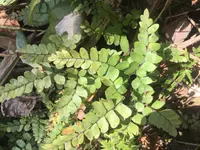
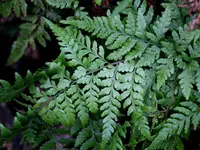
Its fronds are lance-shaped with a noticeably tapered tip, and the leaf segments overlap slightly, creating a layered, feathery texture that helps shed excess water in high-rainfall habitats.

Spore patterning on fronds

On fertile fronds, the spore clusters (sori) form in neat rows on the underside of the leaf segments, a pattern that helps botanists distinguish it from related shield-ferns.

FAQs about shiny shield-fern

Browning fronds usually result from low humidity, missed waterings, or excess direct sun scorching the tissue. Salt buildup from fertilizer or hard water can also crisp tips. Trim damaged parts and correct the underlying issue gradually.

Grow Healthy Plants with Botan Care

Keep your plants happy and healthy with plant identification, disease detection, and easy care guidance.

Botan plant care app — identify plants on mobile

Explore More Plants