Shade cloth setup
In outdoor plantings, install 40–60% shade cloth above the plant during hot, bright months to protect fronds from scorch while preserving enough light for compact, healthy growth.

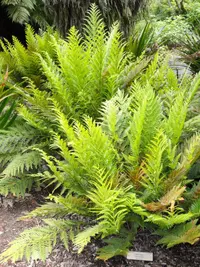
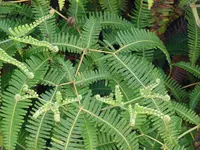
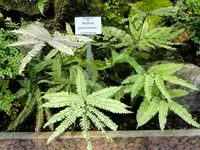
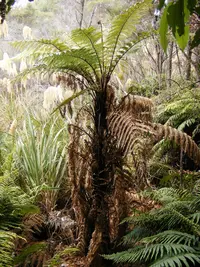
King fern, Todea barbara, is an evergreen fern known for its thick, leathery fronds and dense, almost shrub-like clumps. It grows slowly and can form a stout, trunk-like base over time.
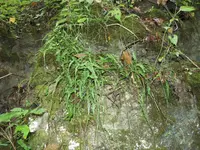
In nature it occurs along streams, waterfalls, and wet forests in Australia and New Zealand, often in very damp, cool habitats. Its need for constant moisture and humidity, along with dislike of drying out, makes it more challenging than average ferns for beginners.
Those who want to care for king fern should provide consistently moist, rich, well-drained substrate and shelter from hot, harsh sun, especially in indoor or patio settings.

Care Difficulty
Moderate Care

Light Preference
Partial Shade

Water Requirements
Keep Soil Moist

Temperature Preference
Warm Climate

Hardiness Zone
9–11

Soil Texture
Loamy, Peaty, Organic-rich

Soil pH
Strongly acidic (4.5–5.5), Acidic (5.5–6.5)

Soil Drainage
Moist but well-drained

Fertilization
Minimal (feed rarely)
Scan your plant to receive care tips personalized for your specific plant
Available on iOS and Android
This fern prefers soft, forest-like light rather than direct, harsh sun.
This moisture-loving fern thrives in consistently damp, never stagnant conditions.
This fern prefers cool to mild, frost-free conditions with steady moisture.
This fern needs high, steady humidity to maintain healthy fronds and rhizomes.
Todea barbara prefers a constantly moist, organic, and airy substrate that mimics a boggy forest floor.
This species adapts well to container growing when moisture and stability are managed carefully.
Todea barbara is a slow-growing fern that benefits from light, steady feeding rather than heavy fertilization.
Pruning needs for Todea barbara are minimal and focus on cleanliness rather than shaping.
Transplanting or repotting Todea barbara should be done infrequently and with care, as the root system dislikes disturbance.
Propagation of Todea barbara is possible but slow and usually reserved for patient or experienced growers.
Winter care for Todea barbara focuses on avoiding hard frost and keeping roots evenly moist but not waterlogged.

Plant Health Check
Not sure what's wrong with your plant? Check your plant's health inside the app.
This fern is considered a relict of the ancient Gondwanan flora and still naturally occurs in disjunct populations across Australia, New Zealand, and a few southern African regions, reflecting that shared geological history.
It commonly grows both terrestrially along stream banks and epiphytically on tree trunks or logs in very wet forests, showing strong adaptation to persistently moist, cool microhabitats.
Mature plants develop a large, woody-looking crown made of densely interwoven roots and rhizomes that can anchor the plant against flooding and help it withstand debris movement in mountain stream environments.

The species is one of the few ferns that can form almost tree fern–like clumps over many decades, producing an impressive, elevated rosette of fronds from its swollen root mass even though it does not form a true, upright trunk.
Brown fronds usually result from low humidity, irregular watering, or excess fertilizer salts at the root zone. Trim crisp, dead tissue only, flush the potting mix occasionally, and maintain consistently moist but not waterlogged conditions to prevent further damage.
Keep your plants happy and healthy with plant identification, disease detection, and easy care guidance.