Lotus-leaved Maidenhair Fern Care (Adiantum reniforme)

Also known as: Kidney-leafed Fern
Lotus-leaved Maidenhair Fern

About Lotus-leaved Maidenhair Fern

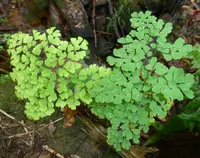
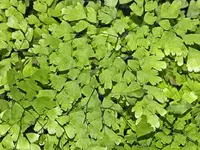
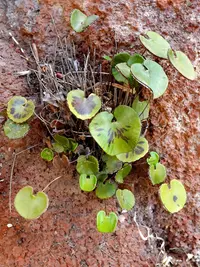
Lotus-leaved maidenhair fern, Adiantum reniforme, is an evergreen fern known for its distinctive round, kidney-shaped leaf segments held on fine, dark stems. It forms compact, slowly spreading clumps that suit containers, shaded patios, and bright indoor spots.

This species is native to rocky, humid habitats on islands such as Madeira and the Canary Islands, where it often grows in crevices with constant moisture. Its need for stable humidity, even moisture, and protection from strong sun makes it more delicate than many common houseplants, so learning how to care for Lotus-leaved Maidenhair Fern helps maintain its foliage.

Main Plant Requirements

Care Difficulty

Hard Care

Light Preference

Partial Shade

Water Requirements

Keep Soil Moist

Temperature Preference

Tropical / Frost Sensitive

Hardiness Zone

10–11

Soil Texture

Loamy, Peaty, Organic-rich

Soil pH

Acidic (5.5–6.5)

Soil Drainage

Moist but well-drained

Fertilization

Light (every 4–6 weeks)

Get Personalized Care Plan

Scan your plant to receive care tips personalized for your specific plant

Available on iOS and Android

How to Care for the Lotus-leaved Maidenhair Fern

This fern prefers soft, indirect light that mimics bright forest shade.

  • Provide 4–6 hours of bright, filtered light daily, such as dappled shade under taller plants or sheer-curtained windows indoors for Lotus-leaved Maidenhair Fern.
  • Allow gentle early morning sun in cool climates, but protect from direct midday or afternoon sun, which can scorch fronds and cause pale, crispy edges.
  • In winter, move plants slightly closer to the light source, but still out of direct sun, to compensate for shorter days and lower light intensity.

This fern needs steadily moist but never waterlogged soil.

  • Water when the top 1–2 cm of soil feels just starting to dry, aiming to keep the root zone evenly moist without standing water.
  • Use a loose, well-draining mix and ensure excess water can escape, since soggy soil leads to yellowing fronds, blackened roots, and rot.
  • Reduce watering slightly in cooler months, but do not let Adiantum reniforme dry out completely; wilting, crisp fronds indicate underwatering and slow recovery.

This species prefers mild, frost-free conditions with limited temperature swings.

  • Aim for 60–75°F (16–24°C) for steady growth, avoiding rapid changes between day and night that can stress fronds.
  • Protect from cold; growth slows below 50°F (10°C), and frost at 32°F (0°C) or lower can kill fronds and damage crowns.
  • In hotter spells above 82–86°F (28–30°C), provide extra shade, good air movement, and slightly higher humidity to prevent leaf scorch and stress.

This fern needs consistently high humidity to maintain healthy fronds and prevent browning edges.

  • Aim for 60–80% humidity; lower levels quickly dry the thin fronds of Lotus-leaved Maidenhair Fern.
  • Crisping tips, curling fronds, and stalled new growth indicate humidity stress rather than underwatering.
  • Increase humidity with a room humidifier, closed pebble tray under the pot, or grouping plants to create a moister microclimate.

This species prefers a loose, humus-rich medium that stays evenly moist yet drains freely.

  • Use a mix of roughly 50% peat or coco coir, 30% fine compost, and 20% perlite or fine bark to mimic leaf-litter forest soil.
  • Aim for slightly acidic to neutral pH, around 6.0–7.0, which supports nutrient uptake and root health.
  • Ensure the mix feels springy and airy; roots should never sit in heavy, compacted, or sticky conditions.
  • Avoid dense clay, unamended garden soil, or mixes that dry to a hard crust, which restrict oxygen and damage fine roots of Adiantum reniforme.

This fern is well suited to container growing when moisture and root space are carefully managed.

  • Choose a wide, shallow pot that matches its spreading rhizomes, preventing wasted depth that stays overly wet.
  • Select plastic or glazed ceramic if slower drying is needed, or unglazed terracotta where faster evaporation helps avoid waterlogging.
  • Place the pot in a stable spot where it will not be knocked, since delicate fronds damage easily when containers shift or tip.

This fern benefits from light, consistent feeding during active growth but is sensitive to excess salts.

  • Use a balanced liquid fertilizer (around 10-10-10 or 20-20-20) diluted to 1/4–1/2 strength for caring for Lotus-leaved Maidenhair Fern in pots.
  • Apply every 4–6 weeks in spring and summer, on already moist soil to avoid root burn.
  • Stop or reduce feeding to 1 light application for the whole period in fall and winter when growth slows.
  • Avoid heavy compost or slow-release pellets directly against the rhizomes, which can cause rot or salt buildup.

Pruning Adiantum reniforme is mainly hygiene-focused, keeping the clump healthy and tidy.

  • Best time is late winter to early spring, just before new fronds emerge strongly.
  • Clip dead, yellowing, or damaged fronds at the base with clean, sharp scissors or small snips.
  • Thin out a few crowded older fronds to improve air movement and light penetration into the center of the plant.
  • Avoid cutting green, healthy fronds heavily, as this reduces photosynthesis and can slow overall growth.

This fern prefers stable conditions and only needs repotting or transplanting when clearly root-bound or declining.

  • Check for roots circling the pot, pushing through drainage holes, or slowed growth as main signs it needs more space.
  • Plan to repot every 2–3 years in spring, using a shallow pot with a loose, humus-rich, well-drained mix.
  • Gently loosen the root ball and keep divisions large, disturbing roots as little as possible to reduce transplant shock.
  • Water thoroughly after repotting, keep humidity high, and provide soft, indirect light until growth resumes.

Adiantum reniforme is usually propagated by division rather than from spores, which are slower and less predictable.

  • Divide mature clumps in early spring when new growth points are visible but fronds are not fully expanded.
  • Lift the plant carefully and split the rhizome into sections, each with several fronds and healthy roots.
  • Plant divisions into small, snug pots with moist, airy mix, then keep in high humidity and bright, indirect light.
  • Keep the substrate evenly moist, not waterlogged, and avoid strong fertilizer until new fronds are well established.

This fern is not frost-hardy and needs shelter in regions with cold winters.

  • Move container plants indoors before temperatures fall below 50°F, choosing a cool, bright, frost-free spot.
  • Maintain slightly drier but never bone-dry soil during winter, as growth is slower.
  • In mild climates, grow in a sheltered, shaded outdoor spot and mulch lightly around the root zone to buffer temperature swings.
  • Avoid cold drafts, sudden temperature drops, and direct heat sources that dry fronds and stress the plant.

Care Tips

Shallow, Wide Pot

Use a wide, shallow container with generous side space so the creeping rhizomes can spread horizontally, and repot only when new fronds begin to press against the pot edge rather than on a fixed schedule.

Moisture Buffer Layer

Place a thin layer of fine, rinsed gravel or pumice above the drainage holes and beneath the substrate to keep the root zone evenly moist while preventing the delicate roots from sitting in stagnant water.

Gentle Cleaning Routine

Rinse fronds occasionally with lukewarm, low-pressure water or use a soft brush to remove dust, which helps maintain efficient photosynthesis and reduces the risk of spider mites in indoor conditions.

Controlled Air Movement

Position the plant where there is slight, indirect air movement from a nearby room fan or open doorway, which keeps foliage drier between waterings and lowers the chance of fungal spotting on fronds.

Slow Acclimation Moves

When changing its position, shift the plant gradually over 7–10 days to similar-light locations, as this stepwise acclimation reduces stress and frond drop when caring for Lotus-leaved Maidenhair Fern.

Common Pests and Diseases

Scale insects

These insects attach to frond stalks and the undersides of the round leaf blades, appearing as small brown or tan bumps and causing gradual yellowing and decline. Symptoms include sticky honeydew and sooty deposits on nearby surfaces.

Solution

Remove heavily infested fronds and gently scrape or wipe remaining scales off with a cotton swab dipped in 70% isopropyl alcohol, taking care not to tear the thin tissue. Improve air movement, avoid excess fertilizer, and repeat detailed inspections weekly, using a light horticultural oil spray labeled safe for ferns if populations persist.

Spider mites

This pest thrives on Lotus-leaved Maidenhair Fern in warm, dry indoor air, leading to pale, speckled fronds and very fine webbing between the petioles and leaf edges. Symptoms include dull, greyed foliage and rapid frond drying if humidity is low.

Solution

Increase humidity to 60–70%, rinse fronds thoroughly with lukewarm water, and gently wipe both sides of the leaf blades to remove mites. If needed, apply a gentle insecticidal soap or miticide specifically labeled for use on ferns, repeating at 5–7 day intervals until new fronds emerge clean.

Mealybugs

These insects gather in leaf axils and along the wiry stems, forming white cottony clusters that sap plant vigor and distort new fronds. Symptoms include sticky honeydew, slow growth, and sometimes black sooty mold on affected areas.

Solution

Isolate the plant, then dab visible mealybugs with a cotton swab dipped in 70% isopropyl alcohol and rinse the foliage carefully after treatment. For persistent infestations, use a mild insecticidal soap solution applied to the stems and undersides of leaves, repeating weekly while monitoring new growth closely as part of Adiantum reniforme care.

Fungal leaf spots

This disease appears as small water-soaked or dark brown spots along the edges of the round fronds, sometimes coalescing and causing irregular dead patches. Symptoms include frond yellowing and premature drop, especially in plants kept constantly wet with poor air circulation.

Solution

Remove and discard affected fronds, then water at the soil level instead of wetting the foliage and allow the surface of the medium to dry slightly between waterings. Improve airflow around the plant and, in persistent cases, apply a low-toxicity fungicide labeled for ornamental ferns, following directions carefully and monitoring for healthy new fronds.

Bacterial blight

This disease causes translucent, greasy-looking lesions that rapidly turn dark and may follow the veins, giving a scorched appearance to the rounded fronds. Symptoms include sudden collapse of affected fronds in warm, overly wet conditions or after frequent overhead misting that keeps leaves constantly damp.

Solution

Promptly remove and discard all infected fronds and avoid overhead watering or heavy misting that leaves water sitting on the foliage. Improve ventilation, reduce watering frequency while keeping the soil just evenly moist, and disinfect cutting tools with 70% alcohol between plants to prevent spreading the bacteria.

Interesting Facts

Unusual kidney-shaped fronds

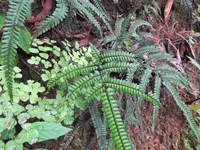
This species has round to kidney-shaped leaf blades held on fine black stalks, a very different form from the typically feather-like fronds of most maidenhair ferns.

Macaronesian island native

It is naturally found in limited areas of the Canary Islands and Madeira, often growing on moist, shaded cliffs and rock crevices influenced by oceanic humidity.

Slow, clumping growth habit

The fern forms dense, compact clumps and expands slowly over time, which makes mature specimens relatively uncommon in cultivation compared with many other maidenhair ferns.
Botan icon

Did you know?

Fossil and biogeographic evidence indicate that the genus Adiantum is ancient, and this island-restricted species is considered a relict line that has persisted in the mild, oceanic refuges of Macaronesia while related forms disappeared from nearby continental areas.

FAQs about Lotus-leaved Maidenhair Fern

This species adapts to both, but performs best where humidity and temperatures stay stable. In most homes it prefers a bright indoor spot or sheltered greenhouse, as outdoor conditions often fluctuate too much in light, wind, and moisture.

Grow Healthy Plants with Botan Care

Keep your plants happy and healthy with plant identification, disease detection, and easy care guidance.

Botan plant care app — identify plants on mobile

Explore More Plants