Use Wide Shallow Pots
Choose a broad, shallow container to match the plant’s naturally shallow, fibrous root system and allow even moisture distribution across the root zone.

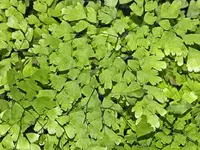
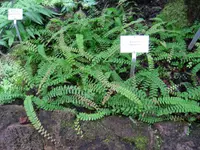
Fan maidenhair, Adiantum tenerum, is a delicate fern valued for its fine, fan-shaped leaf segments and graceful, arching fronds. It forms soft clumps that give a light, airy texture.
This species is native to tropical regions of the Americas, where it grows in shaded, humid forest habitats on moist rocks or rich leaf litter. Its thin fronds and fine roots make it sensitive to drying out and low humidity, so it can be more demanding than many common houseplants.
Those who care for fan maidenhair should provide stable, gentle conditions with consistent moisture, soft light, and a well-drained but evenly damp substrate.

Care Difficulty
Hard Care

Light Preference
Partial Shade

Water Requirements
Keep Soil Moist

Temperature Preference
Tropical / Frost Sensitive

Hardiness Zone
10–11

Soil Texture
Loamy, Peaty, Organic-rich

Soil pH
Acidic (5.5–6.5)

Soil Drainage
Moist but well-drained

Fertilization
Light (every 4–6 weeks)
Scan your plant to receive care tips personalized for your specific plant
Available on iOS and Android
This fern prefers soft, indirect light that mimics a shaded forest floor.
This fern needs consistently moist but never waterlogged soil.
This species thrives in stable, mild, frost-free conditions.
This fern needs consistently high humidity to keep its fine leaf segments healthy.
Adiantum tenerum prefers a light, airy mix that stays evenly moist but never waterlogged.
This species is well suited to container growing when moisture and stability are controlled carefully.
Adiantum tenerum benefits from light, consistent feeding during active growth but is sensitive to excess salts.
Pruning Adiantum tenerum focuses on hygiene and keeping the fern compact and fresh-looking.
This fern appreciates a slightly snug pot but benefits from careful repotting when root-bound.
Adiantum tenerum is most practically propagated by division rather than from spores at home.
This tropical fern is frost-sensitive and needs mild, protected conditions through winter in most climates.

Plant Health Check
Not sure what's wrong with your plant? Check your plant's health inside the app.
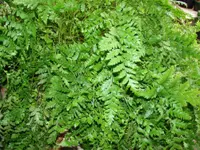
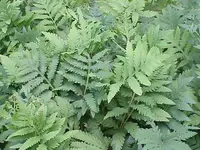
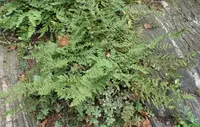
This species has thin, triangular to fan-shaped fronds with many small, rounded to wedge-shaped pinnules that create a light, lacy canopy compared with many other maidenhair ferns.
Its fronds emerge from contrasting glossy black to dark brown stipes and rachises (leaf stalks), a visual trait that makes this species easy to distinguish from many other tropical ferns.
In the wild, this fern often grows on moist limestone or calcareous rocks and walls, showing a natural preference for mildly alkaline, mineral-rich substrates rather than the more typical acidic forest soils of many ferns.
In parts of the Caribbean and tropical Americas, this species can form dense colonies on shaded limestone cliffs and cave mouths, where its shallow but spreading rhizomes help stabilize thin rock-face soils and contribute to small, localized fern communities that rely on constant seepage and high humidity.
Brown leaf tips or fronds usually result from low humidity, missed waterings, or exposure to hot, dry air. Improve humidity, keep the soil lightly moist, avoid drafts or heating vents, and remove fully dried fronds.
Keep your plants happy and healthy with plant identification, disease detection, and easy care guidance.