Texas lip fern Care (Hemionitis aemula)

Also known as: rival lip fern
Dariia Plaksina, Botan author
Reviewed byDariia Plaksina
Botanist

About Texas lip fern

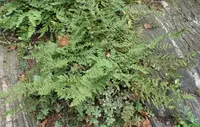
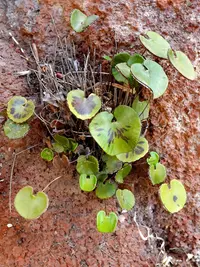
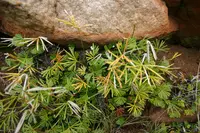
Texas lip fern, Hemionitis aemula, is a small, clumping fern valued for its fine, arching fronds and tidy growth habit. It remains compact, which suits containers and small spaces.

In nature it grows in rocky, well-drained sites, often on limestone outcrops in warm, dry regions of the southern United States and northern Mexico. This origin makes it more drought-tolerant than many ferns, but it still appreciates steady, light moisture and gritty, fast-draining soil.

Light to bright shade, good air flow, and protection from waterlogging are key factors that shape how to care for Texas lip fern and keep it long-lived.

Main Plant Requirements

Care Difficulty

Moderate Care

Light Preference

Partial Shade

Water Requirements

Keep Soil Moist

Temperature Preference

Tropical / Frost Sensitive

Hardiness Zone

10–11

Soil Texture

Loamy, Peaty, Organic-rich

Soil pH

Acidic (5.5–6.5)

Soil Drainage

Moist but well-drained

Fertilization

Light (every 4–6 weeks)

Get Personalized Care Plan

Scan your plant to receive care tips personalized for your specific plant

Available on iOS and Android

How to Care for the Texas lip fern

This fern prefers bright, filtered light that mimics light under an open woodland canopy.

  • Provide 3–5 hours of gentle morning sun with dappled or bright indirect light the rest of the day; avoid harsh midday and afternoon sun that can scorch fronds.
  • Texas lip fern tolerates partial to full shade, but in deep shade expect slower growth and more open, sparse fronds.
  • In summer, increase shade or move to brighter filtered light; in winter, allow slightly more direct morning sun to compensate for shorter days.

This fern prefers evenly moist, never soggy, soil around its shallow roots.

  • Water when the top 1–2 cm of soil feels slightly dry, aiming for consistently damp soil that does not stay waterlogged.
  • Use a loose, well-draining mix; puddling on the surface, sour odor, or blackened bases indicate overwatering, while crisping frond tips and drooping indicate underwatering.
  • In cool seasons, reduce frequency as growth slows; in warm, dry periods, check soil more often, especially for Hemionitis aemula grown in exposed or fast-draining sites.

This species favors mild, frost-free conditions with only modest seasonal swings.

  • Aim for 60–75°F (16–24°C) for best growth; short spikes to 80°F (27°C) are tolerated if humidity and soil moisture are stable.
  • Protect from cold below 40°F (4°C); foliage is damaged by light frost and plants may die back if exposed to repeated freezing nights.
  • In hot summers above 80–85°F (27–29°C), provide extra shade, mulch the root zone to buffer heat, and avoid planting near heat-reflecting walls or pavement.

This fern needs consistently high humidity to maintain healthy fronds.

  • Aim for 60–80% humidity; sustained levels below 50% cause frond tips to brown and curl.
  • In dry indoor air, group plants, run a humidifier nearby, or place the pot on a pebble tray above water.
  • Texas lip fern reacts to very dry air with crisping pinnae and stalled growth, while overly wet, stagnant air can encourage fungal spotting.

This fern prefers a loose, moisture-retentive but well-drained mix rich in organic matter.

  • Use a mix of roughly 50% peat or coco coir, 30% fine bark, and 20% perlite to create a fibrous, airy structure.
  • Keep drainage fast enough that water passes through in seconds, but the mix should stay lightly moist rather than soggy.
  • Aim for slightly acidic to neutral pH around 5.5–7.0, which supports nutrient uptake for Hemionitis aemula.
  • Avoid heavy garden soil, unamended clay, or pure sand, which either suffocate roots or dry out too quickly.

This species grows reliably in containers when moisture and stability are managed carefully.

  • Choose a relatively deep, narrow pot to support its fibrous root system and reduce rapid surface drying.
  • Select plastic or glazed ceramic rather than unglazed terracotta if the growing area is already dry, to slow moisture loss.
  • Stabilize lighter pots with a heavier outer cachepot or stones at the base so arching fronds do not tip the container.

This fern benefits from light, consistent feeding during active growth but is sensitive to excess salts.

  • Use a balanced liquid fertilizer (around 10-10-10) at 1/4–1/2 strength for Texas lip fern in late spring through summer.
  • Apply every 4–6 weeks to moist soil, never onto dry substrate to avoid root burn.
  • Skip or greatly reduce feeding in fall and winter when growth slows.
  • Organic options like dilute compost tea can substitute synthetic fertilizer if growth seems weak.

Hemionitis aemula needs only light, corrective pruning to maintain a tidy, healthy clump.

  • Best time for pruning is late winter to early spring, just before new fronds unfurl.
  • Remove dead, yellowing, or damaged fronds at the base using clean, sharp scissors or snips.
  • Thin out a few crowded or overlapping fronds to improve air flow and reduce fungal problems.
  • Avoid heavy cutting, which can weaken the plant and reduce its lush appearance.

This fern prefers stable conditions and benefits from careful, infrequent repotting or transplanting.

  • Plan to repot every 2–3 years or when roots circle the pot, drainage slows, or growth stalls.
  • Best timing is early spring, just as new growth begins, so roots can recover quickly.
  • Move into a container only 2–3 cm wider, using moisture-retentive, well-drained mix to limit stress.
  • Handle roots gently, keep the root ball slightly intact, water thoroughly, then keep in shaded, humid conditions for 1–2 weeks.

Propagation of Hemionitis aemula is possible but more advanced than for many common houseplants.

  • Division of mature clumps in early spring is the most practical method for home growers.
  • Gently separate sections with several healthy fronds and attached rhizome, keeping roots as intact as possible.
  • Replant divisions into small pots with fine, moist, well-drained mix, and maintain high humidity and low to medium light.
  • Spore propagation is possible under sterile, consistently warm, humid conditions but is slow and less reliable.

Hemionitis aemula is frost sensitive and needs protection in regions with cold winters.

  • Keep temperatures above 50°F; prolonged exposure near freezing can damage fronds and rhizomes.
  • For container plants, move indoors or into a frost-free greenhouse before first frost.
  • Outdoors in mild climates, use a light mulch around the root zone to buffer temperature swings.
  • Water sparingly in winter, keeping soil just slightly moist to prevent root rot in cool conditions.

Care Tips

Shallow potting

Use a wide, shallow pot so the creeping rhizomes can spread horizontally, and repot only when they reach the container edge to reduce stress and maintain a dense, even fern mat.


Rhizome surface check

Inspect exposed rhizomes every month for soft spots or desiccation and gently top-dress with a thin layer of fine bark or sphagnum to keep them evenly moist but not buried.

Gentle frond grooming

Remove only fully brown or collapsed fronds by cutting at the base with clean scissors, avoiding tugging on still-green fronds that can loosen delicate rhizomes.

Capillary watering setup

For more stable moisture, place the nursery pot on a capillary mat or wick system and let water move up from a reservoir, which helps avoid repeated surface disturbance for this fine-rooted fern.

Summer stress reduction

During hot, dry spells, move the plant to the coolest bright spot available and slightly increase air movement with a small fan set on low, directed away from the plant, which supports healthier growth when growing Texas lip fern in warm homes.

Common Pests and Diseases

Scale insects

This pest attaches to fronds and stems as small brown or tan bumps, sucking sap and causing yellowing, stunted fronds, and sticky honeydew on surrounding surfaces.

Solution

Isolate the plant, then wipe fronds and stems with a cotton pad dipped in diluted alcohol or insecticidal soap, repeating weekly until no new scale appears; for dense infestations on outdoor plants, a targeted horticultural oil spray can help, combined with improved air circulation and careful monitoring.

Mealybugs

These insects hide in leaflet joints and along the rhachis, forming white cottony clusters that weaken the fern and may lead to distorted or yellowing fronds.

Solution

Inspect all joints and undersides of fronds, remove visibly infested parts if heavily covered, and treat remaining colonies by dabbing with alcohol-soaked cotton buds or spraying with insecticidal soap, repeating every 7–10 days while keeping humidity stable but not stagnant.

Fungal leaf spot

This disease causes small water-soaked or brown spots on the delicate fronds, sometimes with yellow halos, which can merge and lead to premature frond dieback in humid, poorly ventilated conditions.

Solution

Remove and discard affected fronds, improve air movement around the plant, avoid overhead watering so fronds dry quickly, and if new spots continue to appear, apply a labeled fern-safe fungicide according to directions while maintaining moderate, not excessive, humidity.

Rhizoctonia blight

This disease leads to irregular brown lesions starting at the base of fronds, with affected tissue turning soft and collapsing, often in warm, constantly moist conditions and dense potting mixes.

Solution

Cut off and discard all damaged fronds and any visibly affected crown tissue, allow the surface of the mix to dry slightly between waterings, increase airflow, and consider repotting into a fresh, well-drained but moisture-retentive mix; in persistent cases, a targeted systemic fungicide labeled for Rhizoctonia on ferns may be needed.

Interesting Facts

Epiphytic rock specialist

This fern often grows as a lithophyte or epiphyte, rooting into mossy rock faces or tree trunks rather than typical soil in its native European Atlantic cloud forests.

Atlantic cloud forest relic

Populations are concentrated in mild, humid, ocean-influenced regions such as Macaronesia and parts of western Europe, reflecting its adaptation to stable, cool, moist microclimates.

Dimorphic frond structure

It produces different sterile and fertile fronds, with the fertile ones typically narrower and bearing clustered sori on the underside where spores develop.

Botan icon

Did you know?

In parts of its native range, this species is considered an indicator of long-term, undisturbed, humid woodland and ravine habitats, so its presence can signal high conservation value microclimates.

FAQs about Texas lip fern

Brown tips or fronds usually come from low humidity, irregular watering, or excess fertilizer salts. Keep the root zone lightly moist, increase ambient humidity, and flush the pot occasionally to remove buildup. Trim only completely dead fronds.

Grow Healthy Plants with Botan Care

Keep your plants happy and healthy with plant identification, disease detection, and easy care guidance.

Botan plant care app — identify plants on mobile

Explore More Plants