


Shallow pot choice
Use a wide, shallow pot with ample surface area so the small fronds can spread naturally and the underground structures stay close to the surface, as they do in leaf litter in the wild.

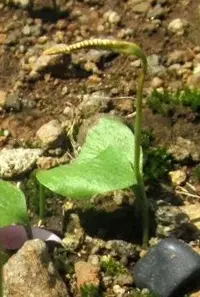
Netted adderstongue (Ophioglossum reticulatum) is a small terrestrial fern with a single leaf-like blade and a slender fertile spike that carries its spores. It has a delicate, low-growing habit and often goes unnoticed on the forest floor.
This species naturally occurs in warm, humid regions, typically in shaded woodlands, grassy clearings, or moist, well-drained soils rich in organic matter. It prefers consistent moisture and shelter from strong sun and wind, which influences how to care for netted adderstongue in cultivation.
The plant can be slow to establish and does not tolerate disturbance well, so it is better suited to patient growers who can provide stable, undisturbed conditions.

Care Difficulty
Hard Care

Light Preference
Shade

Water Requirements
Keep Soil Moist

Temperature Preference
Tropical / Frost Sensitive

Hardiness Zone
10–12

Soil Texture
Loamy, Silty, Organic-rich

Soil pH
Acidic (5.5–6.5), Slightly acidic (6.5–7.0)

Soil Drainage
Moist but well-drained

Fertilization
Minimal (feed rarely)
Scan your plant to receive care tips personalized for your specific plant
Available on iOS and Android
This terrestrial fern prefers soft, indirect light that mimics the filtered shade of woodland understories.
This fern prefers consistently moist, never soggy soil that does not dry out completely.
This species thrives in warm, frost-free conditions typical of humid, tropical or subtropical understories.
This fern prefers consistently moist air and reacts quickly to dry indoor conditions.
This species needs consistently moist, fine-textured soil that stays airy, not compacted.
This fern can adapt to container growing when moisture and root space are carefully managed.
This fern-like species grows slowly and usually needs only modest feeding in cultivation.
Pruning needs for Ophioglossum reticulatum are minimal and mainly hygienic.
This small terrestrial fern prefers stable conditions and dislikes frequent disturbance.
Ophioglossum reticulatum is technically propagated from spores but this is slow and specialized, so home propagation is uncommon.
This species is frost-sensitive and needs mild, frost-free conditions in winter.

Plant Health Check
Not sure what's wrong with your plant? Check your plant's health inside the app.
This species has one of the highest known chromosome numbers among ferns, which has made it a model organism in cytogenetic research that studies chromosomes and cell division.
The plant produces a single leaf divided into a flat, sterile blade and a narrow, upright fertile spike that bears the sporangia, giving it the characteristic adderstongue appearance.
Its gametophytes, the small sexual life stage, live completely underground in association with mycorrhizal fungi, often persisting for years before producing the visible sporophyte leaf.

In some regions, this small fern forms localized but dense colonies in undisturbed, seasonally moist grasslands and open woods, acting as a subtle indicator of relatively stable, low-intensity land use over time.
Growth is slow to moderate. New leaves and fertile spikes typically appear once per year, often in the warm rainy season. Expansion happens mainly by short, creeping rhizomes, so clumps enlarge gradually rather than rapidly spreading across a bed.
Keep your plants happy and healthy with plant identification, disease detection, and easy care guidance.

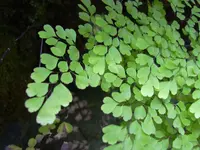
Delta maidenhair fern
Adiantum raddianum
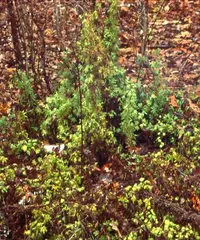
American climbing fern
Lygodium palmatum
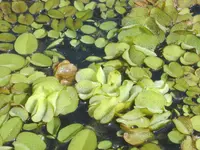
kariba-weed
Salvinia molesta
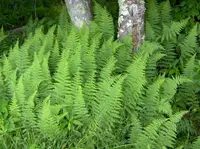
eastern hayscented fern
Dennstaedtia punctilobula
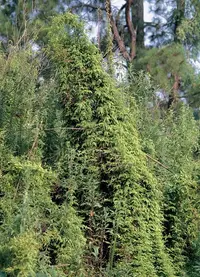
Japanese climbing fern
Lygodium japonicum
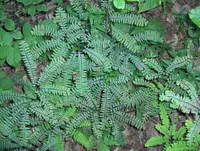
Northern maidenhair fern
Adiantum pedatum
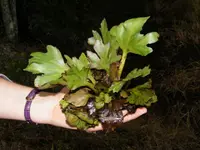
floating antlerfern
Ceratopteris pteridoides
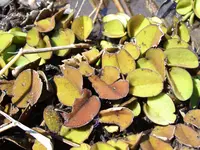
eared watermoss
Salvinia auriculata