eastern hayscented fern Care (Dennstaedtia punctilobula)

Also known as: hay-scented fern
eastern hayscented fern

About eastern hayscented fern

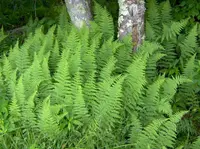
Eastern hayscented fern (Dennstaedtia punctilobula) is a deciduous woodland fern known for its finely divided, airy fronds and soft, hay-like scent when crushed or dried. It forms spreading colonies through creeping rhizomes, creating light, feathery groundcover under trees and shrubs.

This species is native to eastern North America, where it grows in forests, slopes, and clearings with cool, moist conditions. It is generally considered easy to grow in gardens that offer partial shade, consistent moisture, and well-drained, humus-rich soil. Gardeners who learn how to care for eastern hayscented fern often value it for its adaptability, fast coverage, and gentle texture in shade plantings.

Main Plant Requirements

Care Difficulty

Moderate Care

Light Preference

Partial Shade

Water Requirements

Keep Soil Moist

Temperature Preference

Cold Hardy

Hardiness Zone

3–8

Soil Texture

Loamy, Silty, Organic-rich

Soil pH

Strongly acidic (4.5–5.5), Acidic (5.5–6.5)

Soil Drainage

Moist but well-drained

Fertilization

Minimal (feed rarely)

Get Personalized Care Plan

Scan your plant to receive care tips personalized for your specific plant

Available on iOS and Android

How to Care for the eastern hayscented fern

This woodland fern prefers bright, indirect conditions that mimic dappled forest light.

  • Provide 2–4 hours of gentle morning sun with light to full shade the rest of the day; avoid strong afternoon sun that can scorch fronds.
  • Grow eastern hayscented fern under open trees, north or east sides of buildings, or other spots with filtered light through most of the day.
  • In summer, increase shade as the sun intensifies; in early spring and fall it can tolerate a bit more direct morning or late-afternoon sun.

This fern thrives in consistently moist, cool soil without staying waterlogged.

  • Aim for soil that feels evenly moist; allow only the top 1–2 cm to begin drying before the next thorough watering in the growing season.
  • Improve drainage with organic matter so water soaks in quickly and does not pool around roots, which reduces risk of rot and frond yellowing.
  • In cool spring and fall, reduce watering slightly; in hot, dry spells, increase frequency if fronds start to droop or the soil surface lightens and cracks.

This species is a hardy, cool-temperate fern adapted to outdoor woodland conditions.

  • Optimal growth occurs around 60–75°F (16–24°C) during the growing season, with steady moisture and protection from drying winds.
  • Dormant crowns tolerate winter cold down to about -20°F (-29°C) under mulch or leaf litter in most temperate climates.
  • In hot spells above 85°F (29°C), provide extra shade and moisture; prolonged extreme heat with dry soil can cause frond scorch and early seasonal dieback.

This fern prefers consistently moist air but adapts to typical home humidity if soil moisture is stable.

  • Aim for 50–70% humidity, using a pebble tray or room humidifier around eastern hayscented fern in heated or air-conditioned spaces.
  • Watch for crisping tips, pale fronds, and slow unfurling as signs of humidity stress combined with dryness at the root zone.
  • Group plants together, avoid strong drafts or vents, and keep the plant slightly away from radiators to limit drying of the fronds.

This fern prefers loose, humus-rich soil that stays evenly moist yet drains freely.

  • Use a mix of roughly 50% peat or coco coir, 30–40% composted leaf mold or compost, and 10–20% perlite or fine bark for structure and drainage.
  • Target slightly acidic soil with pH 5.0–6.5, which suits Dennstaedtia punctilobula and supports nutrient uptake without leaf yellowing.
  • Create a crumbly, loamy texture, avoiding dense clay and pure sand; both extremes either suffocate roots or dry out too quickly.
  • Improve aeration and drainage by raising containers slightly off solid surfaces and avoiding any fine mulch layer that seals the soil surface.

This species can be grown in containers outdoors if moisture and drainage are balanced carefully.

  • Choose a wide, shallow pot to accommodate its spreading rhizomes while preventing deep, waterlogged pockets around the roots.
  • Select a heavier material such as ceramic or clay to stabilize the lightweight fronds against wind and reduce rapid tipping.
  • Elevate the pot on feet or bricks so drainage holes stay clear and excess water can escape quickly after rain or irrigation.

This woodland fern grows well in humus‑rich soil and usually needs only light feeding.

  • Apply a thin layer of compost or leaf mold around clumps in early spring to mimic forest soil.
  • If using fertilizer, choose a balanced, slow‑release product (around 10‑10‑10) at half strength.
  • Feed once at the start of the growing season; avoid repeated applications for eastern hayscented fern.
  • Do not fertilize in winter dormancy, and reduce feeding during late fall shoulder periods.

Pruning Dennstaedtia punctilobula is mainly about tidying and maintaining healthy fronds.

  • Cut back dead, browned, or storm‑damaged fronds at the base in late fall or very early spring.
  • Remove crowded or overlapping fronds to improve air movement and reduce fungal issues.
  • Use clean, sharp pruners or scissors to make smooth cuts without tearing tissue.
  • Light seasonal pruning helps maintain a low, arching shape and encourages a flush of fresh fronds.

This fern is more often transplanted in garden beds than kept as a long‑term container plant.

  • Transplant in early spring or early fall when temperatures are mild and soil is moist.
  • Move clumps when growth is slow, centers thin out, or rhizomes spread beyond the desired area.
  • Lift with a wide soil root ball, disturb roots as little as possible, and replant at the same depth.
  • Water thoroughly after transplanting, then keep soil evenly moist and shaded to limit root stress.

Dennstaedtia punctilobula is commonly propagated by division rather than spores in home gardens.

  • Divide established clumps in early spring as new fronds just begin to emerge.
  • Lift the plant, then separate rhizome sections by hand or with a clean knife, ensuring several buds per piece.
  • Replant divisions into humus‑rich, consistently moist soil with light to full shade.
  • Keep newly planted sections evenly moist and sheltered from strong sun until well rooted.

This fern is cold hardy in much of its range and needs minimal winter care in the ground.

  • Tolerates freezing temperatures once established, with fronds naturally dying back in fall.
  • Leave a light layer of fallen fronds or add 5–7 cm of leaf mulch to insulate crowns.
  • In very cold or exposed sites, increase mulch thickness around the root zone for extra protection.
  • Move container plants to a sheltered, unheated but frost‑free spot and keep soil just barely moist.

Care Tips

Rhizome Containment

Install a shallow plastic or metal edging 10–15 cm deep around beds to keep the creeping rhizomes from spreading into lawns or mixed borders while still allowing a natural colony to form.

Layered Leaf Mulch

Apply a loose, 3–5 cm layer of shredded leaf mulch each autumn to mimic woodland litter, which stabilizes soil moisture, protects shallow roots, and gradually improves the organic content of the planting area.

Gentle Colony Renewal

Every 3–4 years, thin out the oldest, most congested crowns in early spring by lifting and replanting divisions at the edge of the clump, which keeps the stand airy and reduces disease pressure.

Strategic Companion Planting

Combine this fern with low, non-aggressive woodland perennials such as epimedium or tiarella to shade bare soil between fronds, moderating surface temperature and suppressing weeds without competing strongly for moisture.

Frond Hygiene Check

During late winter or very early spring, remove and dispose of any collapsed or moldy fronds before new growth emerges to lower the risk of fungal problems and keep caring for eastern hayscented fern more straightforward over time.

Common Pests and Diseases

Slugs and snails

This pest is strongly attracted to the fern’s tender fronds and can cause rapid defoliation in moist, shaded plantings.

Solution

Hand-pick at dusk or after rain, use beer or yeast traps, and place copper tape or rough barriers around key clumps; reduce dense ground litter right around crowns while still maintaining overall mulch so plants do not dry out.

Fern aphids

These insects cluster on young frond stalks and leaflet undersides, sucking sap and causing distortion or general weakening, especially in sheltered sites.

Solution

Rinse colonies off with a firm stream of water, then use insecticidal soap or a light horticultural oil on all frond surfaces, repeating every 5–7 days until populations drop, and avoid high-nitrogen fertilizer that promotes overly soft growth.

Leaf spot

This disease causes tan to dark brown spots or blotches on pinnae that may coalesce, making fronds look scorched or thinned, particularly in crowded, humid plantings.

Solution

Remove and dispose of affected fronds, thin or divide clumps to improve airflow, water at soil level instead of overhead, and if needed apply a labeled copper or chlorothalonil fungicide early in the season according to eastern hayscented fern care instructions.

Rhizoctonia crown rot

This disease begins at the crown where fronds emerge, leading to browning, collapse of new growth, and gradual thinning of the patch in poorly drained or overwatered sites.

Solution

Cut out and discard affected crowns with surrounding soil, improve drainage by loosening soil and adding organic matter, avoid frequent shallow watering, and replant only into well-drained, slightly acidic soil that is not kept constantly saturated.

Interesting Facts

Hay-scented frond aroma

Crushed fronds release a dry, sweet hay-like scent, which gives eastern hayscented fern its common name and is caused by volatile organic compounds produced in the leaf tissues.

Aggressive woodland colonizer

This fern spreads rapidly by shallow creeping rhizomes, forming dense carpets that can suppress tree seedlings and herbs in eastern North American forests, especially after repeated deer browsing on competing plants.

Sun-tolerant deciduous fern

Unlike many woodland ferns, it tolerates relatively bright conditions and even full sun in consistently moist soils, and it is deciduous, dropping its fronds completely by late fall in most of its native range.
Botan icon

Did you know?

In some northeastern U.S. forests, dense mats of eastern hayscented fern have expanded markedly in the past several decades, and research links this increase to high white-tailed deer populations that preferentially avoid browsing this species while heavily feeding on competing understory plants.

FAQs about eastern hayscented fern

This species spreads quickly by shallow rhizomes, forming large colonies over time. In ideal conditions it can become aggressive, so gardeners often use edging, mulch barriers, or regular division to keep it within bounds.

Grow Healthy Plants with Botan Care

Keep your plants happy and healthy with plant identification, disease detection, and easy care guidance.
Botan plant care app — identify plants on mobile

Explore More Plants