


Shield From Drafts
Position the plant away from heating vents, exterior doors, and fans, since sudden cold or hot drafts quickly desiccate the fine leaf tissue and cause frond edge burn.

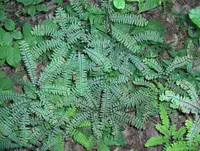
Northern maidenhair fern, Adiantum pedatum, is a delicate deciduous fern valued for its fine texture and graceful shape. It forms loose clumps of wiry black stems that hold flat, fan-shaped leaf segments in airy layers. In nature, it grows in cool, shaded woodlands and rocky slopes across parts of North America, often in consistently moist, humus-rich soils. This species prefers stable moisture, high humidity, and protection from hot, direct sun, which can make it somewhat challenging in dry homes or exposed gardens. Understanding how to care for Northern maidenhair fern starts with providing a sheltered, evenly moist, and well-drained environment.

Care Difficulty
Hard Care

Light Preference
Partial Shade

Water Requirements
Keep Soil Moist

Temperature Preference
Cool Climate

Hardiness Zone
3–8

Soil Texture
Loamy, Silty, Organic-rich

Soil pH
Strongly acidic (4.5–5.5), Acidic (5.5–6.5)

Soil Drainage
Moist but well-drained

Fertilization
Minimal (feed rarely)
Scan your plant to receive care tips personalized for your specific plant
Available on iOS and Android
This fern grows best in bright shade that mimics a cool, dappled woodland floor.
This species requires consistently moist but not waterlogged soil around its fine, shallow roots.
This fern prefers cool to mild conditions similar to a shaded woodland understory.
This fern needs consistently high humidity to keep its fronds healthy and hydrated.
Adiantum pedatum prefers a loose, humus-rich substrate that stays evenly moist yet never stagnant.
This species adapts well to container culture when moisture and stability are carefully managed.
This fern is light‑feeding, so Adiantum pedatum benefits from modest, diluted nutrition during active growth only.
Pruning Adiantum pedatum is mainly about hygiene and keeping the clump airy, not reshaping the plant.
This fern resents disturbance, so repotting or transplanting Adiantum pedatum should be infrequent and gentle.
Adiantum pedatum is most reliably propagated by careful division of established clumps rather than from spores.
In the ground, Northern maidenhair fern is cold hardy in much of the US and usually needs only minimal winter care.

Plant Health Check
Not sure what's wrong with your plant? Check your plant's health inside the app.
The fronds of this species are arranged in a graceful horseshoe or fan shape on a single dark, wiry stalk, a pattern that makes it easy to distinguish from many other maidenhair ferns in North American woodlands.
In the wild, it most often grows on north-facing slopes, limestone outcrops, and moist ravines, where cool air drainage and consistently high humidity protect its delicate fronds.
Each frond arises from a single, arching, almost black rachis (main stem), with small leaf segments attached like tiny fingers, giving the plant a highly symmetrical, architectural appearance when viewed from above.

This species is one of the few maidenhair ferns native to eastern North America and is often used by botanists as a characteristic indicator of relatively undisturbed, mature deciduous forests with stable, moist microclimates.
Brown tips or fronds usually result from low humidity, missed waterings, or exposure to hot, dry air. Check that the root zone never fully dries, avoid direct heater or vent drafts, and remove dead fronds to reduce stress.
Keep your plants happy and healthy with plant identification, disease detection, and easy care guidance.

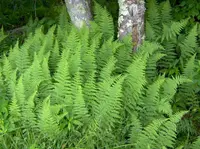
eastern hayscented fern
Dennstaedtia punctilobula
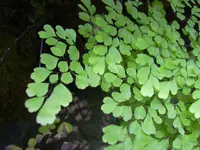
Delta maidenhair fern
Adiantum raddianum
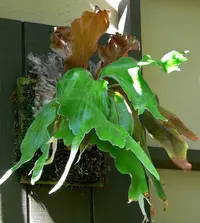
Platycerium stemaria
Platycerium stemaria
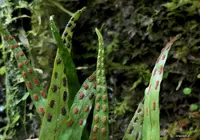
starscale fern
Pleopeltis astrolepis
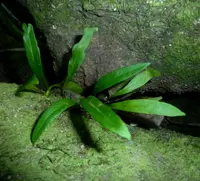
Bigfruit Scaly Polypody
Pleopeltis macrocarpa
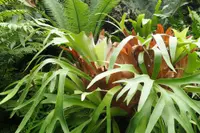
Elkhorn Fern
Platycerium bifurcatum
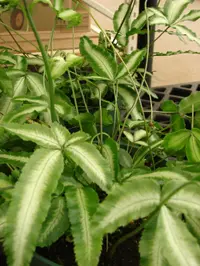
slender brake
Pteris ensiformis
Water sprite
Ceratopteris thalictroides