Autumn fern Care (Dryopteris erythrosora)

Also known as: Japanese buckler-fern
Autumn fern

About Autumn fern

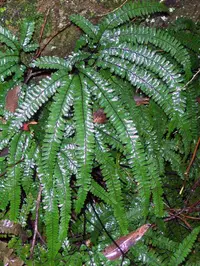
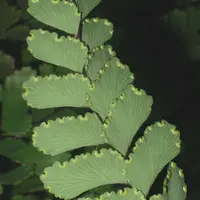
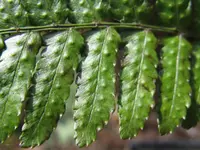
Autumn fern, Dryopteris erythrosora, is a hardy evergreen to semi-evergreen fern valued for its changing frond color. New fronds emerge coppery red, then mature to glossy deep green.

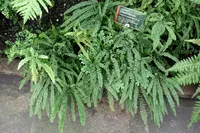
It forms a neat, arching clump that works well in shaded borders, woodland gardens, and containers. In the wild, it occurs in woodland and forest margins in East Asia.

This species is generally considered easy to grow when given consistent moisture and shade to partial shade. Understanding how to care for Autumn fern mainly involves providing humus-rich, well-drained soil and protection from hot, dry conditions.

Main Plant Requirements

Care Difficulty

Moderate Care

Light Preference

Partial Shade

Water Requirements

Keep Soil Moist

Temperature Preference

Cold Hardy

Hardiness Zone

5–9

Soil Texture

Loamy, Peaty, Organic-rich

Soil pH

Acidic (5.5–6.5), Slightly acidic (6.5–7.0)

Soil Drainage

Moist but well-drained

Fertilization

Minimal (feed rarely)

Get Personalized Care Plan

Scan your plant to receive care tips personalized for your specific plant

Available on iOS and Android

How to Care for the Autumn fern

This fern prefers cool, filtered light that mimics woodland shade conditions.

  • Provide bright dappled shade or morning sun with afternoon shade, aiming for 2–4 hours of gentle direct light per day.
  • Autumn fern tolerates partial to full shade, but fronds may thin in very deep shade where less than 1–2 hours of indirect light reach the plant.
  • Avoid harsh midday and afternoon sun, which can scorch fronds and cause crisp brown edges, especially during summer.

This fern performs best in evenly moist, never soggy soil.

  • Water when the top 2–3 cm of soil feel slightly dry, ensuring moisture reaches the full root zone without pooling around the crown.
  • In spring and summer growth, drying frond tips or limp, curling fronds usually indicate underwatering, while yellowing, soft bases suggest overwatering.
  • Use rich, humus-based soil with good drainage; in cooler months reduce frequency but do not let Dryopteris erythrosora sit bone-dry for more than a day or two.

This hardy fern tolerates cool conditions but grows best in moderate, stable temperatures.

  • Optimal growth occurs around 55–75°F (13–24°C), with vigorous frond production in mild spring and fall weather.
  • The plant is cold-hardy outdoors, often surviving down to about 10–20°F (-12– -6°C) once established, though fronds may die back in hard freezes.
  • In hot periods above 85°F (29°C), provide extra shade and consistent moisture; protect from drying winds and rapid freeze–thaw cycles in winter.

This fern prefers consistently moist air and benefits from moderate to high humidity.

  • Aim for 50–70% humidity, as Autumn fern may develop crisped leaflet edges in drier rooms.
  • Expect increased browning tips and slower frond expansion when air stays below 40% for long periods.
  • Use a pebble tray, nearby humidifier, or grouping plants together rather than misting to raise humidity around the fronds.

This species grows best in loose, humus-rich soil that holds moisture but drains freely.

  • Use a mix of roughly 2 parts compost or leaf mold, 1 part fine bark, and 1 part perlite to create a fibrous, moisture-retentive structure.
  • Ensure drainage is fast enough that water does not pool on the surface longer than a few minutes after watering.
  • Keep pH slightly acidic to neutral, around 5.5–7.0, avoiding strongly alkaline or chalky mixes that can limit nutrient uptake.
  • In heavy native soil, lighten texture by blending in shredded bark and coarse grit to improve aeration and reduce compaction around Dryopteris erythrosora roots.

This fern is well suited to container growing outdoors in shaded or partially shaded settings.

  • Choose a pot slightly wider than it is deep to accommodate spreading rhizomes and keep the planting stable in wind.
  • Select a heavier clay or ceramic container if the planting site is exposed, as the foliage can act like a sail in gusts.
  • Elevate the container on feet or bricks so drainage holes stay clear and water cannot collect under the base after rain or irrigation.

Dryopteris erythrosora benefits from light feeding but performs best in soil enriched mainly with organic matter.

  • Use a balanced, dilute liquid fertilizer (around 10-10-10) at 1/4–1/2 strength for potted Autumn fern during active growth.
  • Apply every 4–6 weeks in spring and summer; skip feeding if plants are in rich garden soil.
  • Stop fertilizer in fall and winter when growth slows to avoid weak, soft fronds.
  • In beds, refresh with a thin layer of compost once a year instead of frequent synthetic feedings.

Pruning Dryopteris erythrosora focuses on hygiene and tidiness rather than shaping.

  • Trim dead, yellowing, or damaged fronds at the base using clean, sharp scissors or hand pruners.
  • Best time is late winter to very early spring, before new croziers (unfurling fronds) emerge.
  • Remove a few crowded inner fronds if needed to improve air flow and reduce fungal issues.
  • Light, selective pruning maintains a neat mound and directs energy to healthy new growth.

This fern is usually grown in the ground, so care centers on dividing and transplanting rather than frequent repotting.

  • Look for tight, congested crowns, slow growth, or roots circling a pot as signs it needs more space.
  • Plan to divide or transplant every 3–5 years in early spring or early fall during mild weather.
  • Lift the clump gently, tease or cut the rhizome into sections with several healthy fronds and roots.
  • Replant at the same depth in moist, humus-rich soil, water well, and shade from harsh sun to limit transplant shock.

Most home propagation of Dryopteris erythrosora relies on clump division rather than spores.

  • Divide established plants in early spring or early fall when temperatures are moderate.
  • Dig up the crown, then split into sections, each with multiple fronds and a solid root mass.
  • Replant divisions promptly into moist, well-drained, humus-rich soil and water thoroughly.
  • Keep new plantings shaded, evenly moist, and sheltered from strong wind until established.

This fern is generally cold hardy in much of the US and needs only modest winter care in the ground.

  • Tolerates light to moderate frost once established but may have frond burn in severe cold.
  • Leave faded fronds in colder zones until late winter to add some insulation to the crown.
  • In late fall, apply a 5–8 cm mulch layer around the root zone, keeping mulch off the crown.
  • For containers in cold climates, move pots to a sheltered, frost-free but cool spot and keep soil barely moist.

Care Tips

Mulch for frond color

Apply a 3–5 cm layer of fine bark or leaf mold around the root zone each spring to conserve moisture and enhance the copper-red emergence of new fronds.

Staggered clump planting

Plant several small clumps 30–45 cm apart in shaded drifts so older plants can be lifted and divided into gaps every 3–4 years, keeping the planting visually full and rejuvenated.

Edge protection strip

Install a shallow edging barrier 5–8 cm high around beds to prevent lawn grass and groundcovers from invading the fern crowns, which reduces root competition and physical damage during mowing or trimming.

Winter frond management

In colder regions, leave old fronds in place over winter to act as insulation, then cut them back at the base just before new croziers (emerging fronds) appear in late winter or early spring.

Pest-scouting routine

Check the underside of fronds every 2–3 weeks during warm, humid weather for scale insects, slugs, or chewing damage so any problem can be managed early with targeted controls while caring for Autumn fern.

Common Pests and Diseases

Scale insects

This pest attaches to fronds and stems as small, dome-shaped bumps and extracts sap, causing yellowing and gradual frond decline.

Solution

Remove heavily infested fronds, then gently scrape or wipe remaining scales with a cotton pad dipped in 70% isopropyl alcohol; for larger plantings, use a horticultural oil spray labeled for ferns and repeat at 7–14 day intervals while also improving air circulation and avoiding overfertilizing, which encourages outbreaks.

Aphids

These insects cluster on soft new fronds and undersides, sucking sap and causing curling, distortion, and sticky honeydew that can attract sooty mold.

Solution

Rinse fronds thoroughly with a firm but gentle stream of water, then apply insecticidal soap to all leaf surfaces if needed, repeating weekly until populations drop and discarding or pinching back heavily distorted new fronds.

Fern scale (armored scale)

This pest appears as flat, brownish scales firmly attached along frond midribs and rachis, often leading to patchy yellowing and gradual thinning of the fern.

Solution

Prune and dispose of the worst-affected fronds, then use a fine brush or cloth with diluted alcohol to dislodge remaining scales, followed by several applications of ultra-fine horticultural oil during the crawler stage, monitoring regularly as part of ongoing Dryopteris erythrosora care instructions.

Leaf spot

This disease causes small black, brown, or purple spots on fronds that may merge into larger dead areas, often starting on older or crowded foliage in humid, shaded conditions.

Solution

Remove and discard affected fronds, avoid overhead watering, and increase spacing and airflow; in persistent cases, use a fungicide labeled for foliar leaf spot on ferns and rotate products if needed to prevent resistance.

Rhizoctonia crown rot

Symptoms include sudden wilting, collapse of central fronds, and brown, sunken lesions at the crown where fronds emerge, especially in poorly drained or overwatered soil.

Solution

Dig out and discard severely affected plants, improve drainage and reduce watering frequency, and if caught very early, trim out rotted tissues and drench the surrounding soil with a fungicide labeled for Rhizoctonia while monitoring nearby ferns for early signs of infection.

Interesting Facts

Coppery juvenile fronds

Young fronds emerge in shades of copper, bronze, or rose, then gradually mature to deep green, creating a natural two-tone effect on a single plant as new fronds unfurl beside older ones.

Evergreen in mild climates

In many temperate regions, this species keeps much of its foliage through winter, functioning as a semi-evergreen to evergreen fern rather than fully dying back each year.

Spores on reddish stalks

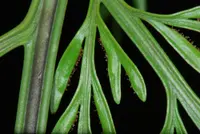
Its spore-bearing structures (sori) sit on the underside of the fronds, supported by reddish to copper-colored stalks and midribs that contribute to its distinctive autumnal coloration even in the fertile fronds.

Botan icon

Did you know?

This fern species is naturally distributed in East Asia, particularly China, Japan, and Korea, where it occurs in moist woodland habitats and has been introduced into Western horticulture mainly for its unusual copper-toned young growth that contrasts strongly with native green woodland ferns.

FAQs about Autumn fern

Brown fronds often result from low humidity, underwatering, excessive direct sun, or fertilizer burn. Trim the damaged fronds, improve humidity, keep soil lightly moist but not soggy, and shield the plant from harsh afternoon sun.

Grow Healthy Plants with Botan Care

Keep your plants happy and healthy with plant identification, disease detection, and easy care guidance.

Botan plant care app — identify plants on mobile

Explore More Plants