


Mulch for Cool Roots
Apply a 3–5 cm layer of shredded leaf mold or fine bark around the plant each spring, keeping it 2–3 cm away from the crowns, to keep roots cool, suppress weeds, and mimic its natural woodland litter.

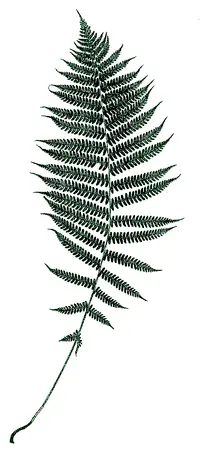
Silver false spleenwort, Deparia acrostichoides, is a hardy deciduous fern native to moist woodlands in eastern North America. It forms graceful clumps of arching, divided fronds that emerge light green and deepen in color through the season.
This fern spreads slowly by rhizomes, creating soft groundcover in shaded gardens or naturalized areas. Its fine texture and layered fronds give a woodland look without appearing coarse or heavy.
Deparia acrostichoides prefers shade to part shade, consistently moist soil, and rich organic matter. These traits make it reliable in cool, damp sites but less suited to hot, dry conditions, which is important when learning how to care for silver false spleenwort.

Care Difficulty
Moderate Care

Light Preference
Partial Shade

Water Requirements
Keep Soil Moist

Temperature Preference
Cold Hardy

Hardiness Zone
3–8

Soil Texture
Loamy, Silty, Organic-rich

Soil pH
Acidic (5.5–6.5), Slightly acidic (6.5–7.0)

Soil Drainage
Moist but well-drained

Fertilization
Minimal (feed rarely)
Scan your plant to receive care tips personalized for your specific plant
Available on iOS and Android
This woodland fern prefers cool, shaded conditions that mimic its natural forest habitat.
This fern thrives in consistently moist, humus-rich soil that never dries out completely.
This hardy fern is adapted to cool to mild climates with distinct seasons.
This fern prefers consistently moist air, similar to a shaded woodland floor.
This fern grows best in loose, humus-rich soil that mimics moist forest leaf litter.
This species can adapt to container growing if moisture and root space are managed carefully.
This woodland fern needs only light feeding in average garden soil; excessive fertilizer can weaken silver false spleenwort.
Deparia acrostichoides benefits from simple cleanup rather than structural pruning.
This fern is usually grown in the ground and only occasionally needs transplanting or division.
Deparia acrostichoides is most commonly propagated by division rather than from spores.
This fern is cold hardy in much of its range and generally needs minimal winter care outdoors.

Plant Health Check
Not sure what's wrong with your plant? Check your plant's health inside the app.
This species is native to eastern North America, from eastern Canada through much of the eastern and central United States, where it naturally grows in moist deciduous forests and along shaded stream banks.
It produces two noticeably different frond types: sterile fronds that are broader and more spreading, and fertile fronds that are more erect with densely packed spore clusters (sori) covering the underside toward the tips.
In the wild, it often colonizes moist, rocky slopes and rich, humus-filled soils over limestone or other base-rich substrates, reflecting a preference for neutral to slightly basic conditions compared to many other woodland ferns.

Botanists have noted that this species can form extensive clonal colonies through its creeping rhizomes, creating large, genetically identical patches that may persist for many decades in stable forest habitats.
This fern forms slowly expanding clumps and spreads by short creeping rhizomes. It can gradually colonize a shaded bed but is not usually aggressive. Edging or occasional division keeps it within defined boundaries in most gardens.
Keep your plants happy and healthy with plant identification, disease detection, and easy care guidance.

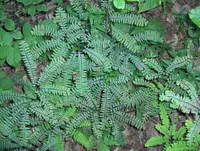
Northern maidenhair fern
Adiantum pedatum
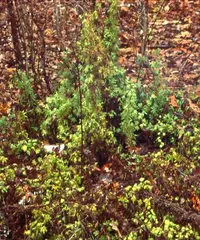
American climbing fern
Lygodium palmatum
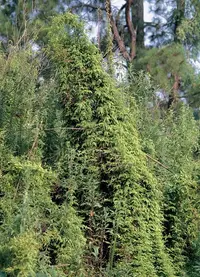
Japanese climbing fern
Lygodium japonicum
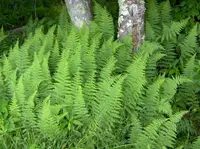
eastern hayscented fern
Dennstaedtia punctilobula
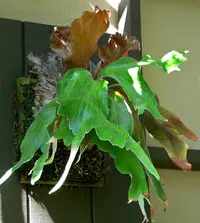
Platycerium stemaria
Platycerium stemaria
Water sprite
Ceratopteris thalictroides
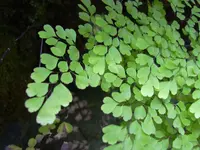
Delta maidenhair fern
Adiantum raddianum
floating antlerfern
Ceratopteris pteridoides