


Mulch The Trunk
Pack a loose collar of damp, fibrous mulch such as coarse bark or bracken around the trunk to keep the fibrous stem moist and protect the crown from drying winds, refreshing it whenever it feels dry or compacted.

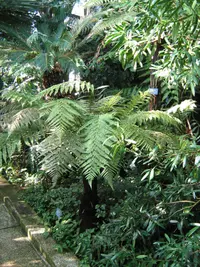
The golden tree fern, Dicksonia fibrosa, is a slow-growing evergreen tree fern valued for its dense, fibrous trunk and graceful, arching fronds. It forms a compact, rounded crown rather than an open, airy canopy.
This species is native to New Zealand, where it grows in cool, moist forests and shaded valleys. Its thick trunk stores moisture and offers some tolerance to short dry spells, but it still prefers consistently damp conditions.
Golden tree fern suits sheltered gardens and shaded courtyards, and can be grown in large containers in mild climates. It prefers filtered light, regular moisture, and humus-rich, well-drained soil, so understanding how to care for golden tree fern helps keep it healthy and long-lived.

Care Difficulty
Moderate Care

Light Preference
Partial Shade

Water Requirements
Keep Soil Moist

Temperature Preference
Cool Climate

Hardiness Zone
8–10

Soil Texture
Loamy, Peaty, Organic-rich

Soil pH
Acidic (5.5–6.5), Slightly acidic (6.5–7.0)

Soil Drainage
Moist but well-drained

Fertilization
Minimal (feed rarely)
Scan your plant to receive care tips personalized for your specific plant
Available on iOS and Android
This fern prefers cool, shaded conditions that mimic a moist forest understory.
Moist, never dry, conditions are essential for healthy trunk and frond growth.
This cool-temperate fern prefers mild conditions without temperature extremes.
This species needs consistently moist air to keep fronds healthy and fibers from drying out.
Dicksonia fibrosa prefers deep, humus-rich, evenly moist soil that never becomes waterlogged.
This species can grow in large containers outdoors if the pot supports its weight and steady moisture needs.
Dicksonia fibrosa benefits from light, consistent nutrition rather than heavy feeding.
Pruning needs for Dicksonia fibrosa are minimal and focus on hygiene rather than shaping.
Golden tree fern is usually grown in the ground, so transplanting is more common than container repotting.
Propagation of Dicksonia fibrosa is specialized and usually left to nurseries.
Winter care for Dicksonia fibrosa depends on climate, as the crown is more vulnerable than the roots.

Plant Health Check
Not sure what's wrong with your plant? Check your plant's health inside the app.
This species forms a distinctive fibrous, skirted trunk composed of old frond bases and roots, creating a dense tussock that can protect the growing crown from drying and temperature swings.
It is naturally restricted to New Zealand, where it grows in moist forests and gullies, often at lower elevations than several related tree ferns.
Compared with many tree ferns, it grows slowly and maintains a relatively compact stature, which makes Dicksonia fibrosa plant care somewhat easier in sheltered gardens than faster, taller relatives that demand more space.

The Māori name for this species, whekī-ponga, reflects its cultural recognition in New Zealand, where its durable fibrous trunk has traditionally been used as a rustic construction and garden edging material.
Yellowing fronds usually indicate natural aging, excess light, or nutrient deficiency. Remove only completely spent fronds, check for root rot, and use a balanced, dilute fertilizer in spring to support healthy new growth.
Keep your plants happy and healthy with plant identification, disease detection, and easy care guidance.

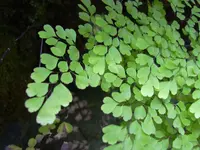
Delta maidenhair fern
Adiantum raddianum
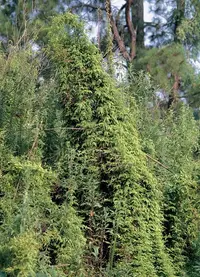
Japanese climbing fern
Lygodium japonicum
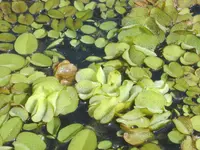
kariba-weed
Salvinia molesta
American climbing fern
Lygodium palmatum
silver false spleenwort
Deparia acrostichoides
eastern hayscented fern
Dennstaedtia punctilobula
floating antlerfern
Ceratopteris pteridoides
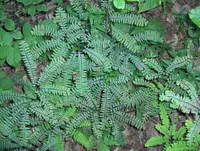
Northern maidenhair fern
Adiantum pedatum