Rotate for symmetry
Turn the pot 90° every 2–3 weeks so new fronds receive even light, which keeps the clump balanced and reduces weak, one-sided growth that breaks easily.

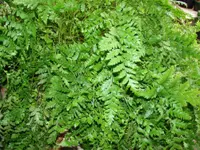
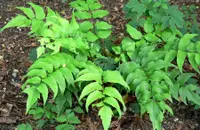
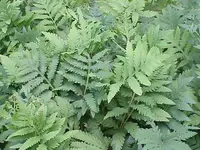
Iron fern, Rumohra adiantiformis, is an evergreen fern valued for its glossy, leathery fronds and long-lasting foliage. It grows as a compact clumping plant with arching fronds that form a dense, tidy mound.
In nature it is found in shaded forests and coastal areas of the Southern Hemisphere, often growing in humus-rich, well-drained soils. Its tough fronds and moderate growth rate make it more forgiving than many delicate ferns, so how to care for iron fern is relatively straightforward for most indoor growers.
It generally prefers bright, indirect light, steady moisture without waterlogging, and a loose, organic potting mix that stays slightly damp but not soggy.

Care Difficulty
Moderate Care

Light Preference
Partial Shade

Water Requirements
Keep Soil Moist

Temperature Preference
Warm Climate

Hardiness Zone
9–11

Soil Texture
Loamy, Peaty, Organic-rich

Soil pH
Acidic (5.5–6.5), Slightly acidic (6.5–7.0)

Soil Drainage
Moist but well-drained

Fertilization
Light (every 4–6 weeks)
Scan your plant to receive care tips personalized for your specific plant
Available on iOS and Android
Rumohra adiantiformis prefers low to moderate light that mimics dappled forest shade.
This fern needs consistently moist but not waterlogged soil to maintain healthy fronds.
This species prefers mild, stable temperatures that avoid both frost and scorching heat.
This fern benefits from moderate to high humidity, especially in heated or air‑conditioned homes.
This species prefers loose, moisture‑retentive but fast‑draining soil that mimics a forest floor.
This fern is well suited to container growing both indoors and on shaded patios.
This fern benefits from modest, consistent feeding during active growth but does not need heavy fertilization.
Pruning Rumohra adiantiformis focuses on hygiene and maintaining a neat, compact clump.
This fern prefers stable conditions and only needs repotting or transplanting when clearly root-bound or declining.
Rumohra adiantiformis is most practically propagated by division rather than from spores for home growers.
This fern has moderate cold tolerance outdoors in mild climates but needs protection from hard freezes, especially in containers.

Plant Health Check
Not sure what's wrong with your plant? Check your plant's health inside the app.
This species forms tough, glossy fronds with a leathery texture that stay green for a long time, an adaptation that reduces water loss and physical damage in its native forest habitats.
The fronds are unusually durable after cutting and resist yellowing, which is why commercial floriculture uses it extensively in floral arrangements under the trade name leatherleaf fern.
It occurs naturally in warm-temperate to tropical regions of the Southern Hemisphere, including parts of South America, southern Africa, and Australasia, often growing on forest floors and rocky slopes.

This fern commonly acts as an epiphyte or lithophyte in the wild, anchoring its rhizomes onto tree trunks or rocks rather than soil, which allows it to exploit humid, shaded niches in dense forests.
Yellowing fronds usually result from overwatering, waterlogged soil, or low light. Check that the pot drains well, reduce watering slightly, and trim older yellow fronds so new, healthy growth can develop.
Keep your plants happy and healthy with plant identification, disease detection, and easy care guidance.