Holly Fern Care (Cyrtomium falcatum)

Also known as: Japanese netvein hollyfern, holly fern, Asian Net-Veined Holly, Japanese Holly Fern
Holly Fern

About Holly Fern

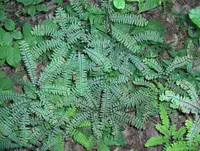
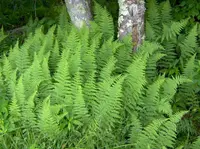
Holly fern, Cyrtomium falcatum, is a shade-loving evergreen fern valued for its glossy, leathery fronds with distinct, holly-like leaflets. It forms compact clumps that fit well in containers or shaded garden beds.

This species naturally occurs in woodland and rocky habitats in East Asia, often in cool, moist, and sheltered locations. Its tolerance of lower light and moderate indoor humidity makes it manageable for many homes.

Growth is steady rather than fast, and it responds well to consistent moisture and well‑drained, humus-rich soil. Understanding how to care for Holly Fern mainly means protecting it from strong sun, dry air, and waterlogged conditions.

Main Plant Requirements

Care Difficulty

Moderate Care

Light Preference

Partial Shade

Water Requirements

Keep Soil Moist

Temperature Preference

Cool Climate

Hardiness Zone

6–9

Soil Texture

Loamy, Peaty, Organic-rich

Soil pH

Acidic (5.5–6.5), Slightly acidic (6.5–7.0)

Soil Drainage

Moist but well-drained

Fertilization

Light (every 4–6 weeks)

Get Personalized Care Plan

Scan your plant to receive care tips personalized for your specific plant

Available on iOS and Android

How to Care for the Holly Fern

This fern prefers bright, indirect light with protection from harsh sun.

  • Provide 3–6 hours of filtered light or light shade each day, such as under trees or on a shaded patio receiving only gentle morning sun.
  • Avoid strong midday and afternoon sun, which can scorch fronds, cause pale or brown patches, and dry the soil too quickly for Holly Fern.
  • In deeper shade, growth may slow and fronds elongate; increase reflected light or dappled exposure, especially in winter when days are shorter.

Moist, not soggy, soil supports healthy Cyrtomium falcatum growth.

  • Water when the top 2–3 cm of soil feels slightly dry, then water thoroughly so moisture reaches the root zone without leaving the area waterlogged.
  • Use soil with good drainage; raised beds, loose organic matter, or a slightly sloped site help excess water run off and reduce root rot risk.
  • In spring and summer, check moisture more often; in cooler months, allow the surface to dry a bit more and watch for drooping (too dry) or yellowing fronds (too wet).

This fern grows best in mild, stable temperatures without extremes.

  • Aim for 60–75°F (16–24°C) for active growth, with consistent moisture and shade supporting steady frond development.
  • Protect plants when temperatures drop near 25–30°F (-4– -1°C); foliage may burn or die back, though roots often survive brief light frosts under mulch.
  • In heat above 85°F (29°C), increase shade and soil moisture, avoid hot reflective surfaces, and maintain mulch to buffer roots from temperature swings.

This fern prefers moderately humid air but adapts if extremes are avoided.

  • Aim for 50–70% humidity, especially indoors, to keep fronds of Holly Fern lush and turgid.
  • Tolerates brief dips into drier air, but prolonged humidity below 40% causes brown tips and crisping edges.
  • Increase humidity with a pebble tray under the pot, grouping plants, or a room humidifier rather than frequent misting.

This fern performs best in loose, moisture-retentive yet well-drained soil rich in organic matter.

  • Use a mix of 2 parts peat- or coir-based potting mix, 1 part fine bark, and 1 part perlite to provide both moisture retention and air spaces.
  • Ensure the soil feels springy and crumbly, not compacted, so Cyrtomium falcatum roots can breathe and resist root rot.
  • Target a slightly acidic to neutral pH around 6.0–7.0, which supports nutrient uptake and stable foliage color.
  • Avoid heavy clay, pure garden soil, or mixes that stay soggy, which quickly lead to yellowing fronds and rhizome decay.

This species is well suited to container growing both indoors and outdoors in mild climates.

  • Choose a pot slightly wider than the root mass with moderate depth so spreading rhizomes have room without creating a deep, wet soil column.
  • Select heavier materials like ceramic or clay outdoors to anchor the plant and reduce tipping as fronds arch outward.
  • Use a container with several drainage holes and a raised saucer so excess water can drain freely and not reabsorb into the root zone.

Cyrtomium falcatum benefits from light, consistent feeding rather than heavy fertilization.

  • Use a balanced liquid fertilizer (around 10-10-10 or 20-20-20) diluted to 1/4–1/2 strength.
  • Feed every 4–6 weeks during spring and summer when growth is active.
  • In winter, reduce feeding to once for the season or stop if growth is very slow.
  • Slow-release granules or a thin layer of compost can replace frequent liquid feeds for Holly Fern.

Pruning Cyrtomium falcatum focuses on hygiene and maintaining a neat, compact clump.

  • Best time is late winter or early spring, before strong new growth starts.
  • Remove dead, yellowing, or damaged fronds at the base with clean, sharp scissors or pruners.
  • Thin out crowded interior fronds to improve air flow and reduce fungal issues.
  • Light shaping by taking the longest or most wayward fronds keeps the plant dense and tidy.

Cyrtomium falcatum prefers stable conditions and only needs repotting or transplanting when clearly rootbound.

  • Look for roots circling the pot, pushing through drainage holes, or noticeably slower growth as signs to repot.
  • Plan to move up 1 pot size every 2–3 years, ideally in early spring.
  • Use a well-drained, humus-rich mix and handle the root ball gently to limit disturbance.
  • Water thoroughly after repotting, then keep soil slightly moist and out of strong sun for 1–2 weeks to reduce stress.

Propagation of Cyrtomium falcatum is most reliable through division of mature clumps.

  • Divide in early spring when new fronds begin to emerge and temperatures are mild.
  • Lift the plant, then separate the rhizome into sections, each with several healthy fronds and roots.
  • Replant divisions at the same depth in moist, well-drained, organic-rich soil or potting mix.
  • Keep humidity moderate to high and soil evenly moist until new growth confirms establishment.

Cyrtomium falcatum is moderately cold tolerant but benefits from simple winter precautions in colder regions.

  • In-ground plants in mild climates tolerate light frost but may have frond tip damage.
  • Apply a 5–8 cm mulch layer over the root zone in fall to buffer temperature swings.
  • Move container plants indoors or to a sheltered, frost-free spot when temperatures approach freezing.
  • Reduce watering in winter, keeping the root ball just slightly moist to prevent rot in cool conditions.

Care Tips

Rotate For Symmetry

Turn the pot 90° every 2–3 weeks so fronds receive light from different angles, which keeps the plant compact and evenly shaped instead of leaning to one side.


Use Pebble Trays

Place the pot on a wide tray filled with pebbles and water kept below the pot base to slightly raise local humidity around the fronds without risking root rot from standing water.

Frond Hygiene Check

Wipe or gently rinse fronds every 1–2 months to remove dust, then inspect the undersides for scale or mites so infestations are spotted and treated before they spread.

Divide For Renewal

Every 2–3 years, divide the root ball into 2–3 sections with at least several healthy fronds each, which both propagates new plants and rejuvenates older, crowded clumps.

Seasonal Light Move

In winter, move the plant slightly closer to a bright window and in summer pull it back a bit, adjusting position by 30–60 cm to balance lower winter light and stronger summer sun when growing Holly Fern indoors.

Common Pests and Diseases

Scale insects

These insects attach to fronds and stems, appearing as small brown or tan bumps that cause yellowing and weakening of the plant.

Solution

Wipe fronds and stems with a cotton pad dipped in diluted insecticidal soap or horticultural oil, repeating every 7–10 days until no new scale appears, and isolate heavily infested plants to prevent spread.

Fern aphids

These insects cluster on young fronds and undersides of leaves, sucking sap and causing distorted growth and sticky honeydew deposits.

Solution

Rinse fronds thoroughly with a strong but gentle stream of water, then treat remaining colonies with insecticidal soap, ensuring full coverage of undersides of fronds and repeating weekly until control is achieved.

Rhizoctonia blight

This disease causes brown or black lesions on fronds and can lead to dieback in dense, poorly ventilated plantings.

Solution

Remove and discard affected fronds, improve air circulation around the plant, avoid overhead watering, and if the problem persists, apply a labeled fungicide as a drench or spray following specific Holly Fern care instructions on the product label.

Pythium crown rot

This disease starts at the crown where fronds emerge, leading to wilting, collapse, and dark, mushy tissue at the base of the plant, especially in waterlogged soil.

Solution

Discard severely affected plants; for mild cases, trim away rotted tissue, replant in fresh, well-drained medium, reduce watering, and keep soil just evenly moist rather than saturated to prevent recurrence.

Interesting Facts

Natural coastal specialist

This fern is naturally found on shady sea cliffs, rocky coastal slopes, and walls, where it tolerates salt-laden winds better than many other ferns.

Evergreen in mild winters

In climates with mild winters, its leathery fronds remain green year-round, allowing it to photosynthesize and grow earlier in the season than many deciduous ferns.

Sori in neat rows

The spore clusters (sori) on the underside of the fronds form in distinct, regular rows near the leaflet margins, a pattern that helps distinguish it from many look-alike ferns.

Botan icon

Did you know?

This species is widely naturalized far beyond its native East Asian range and can form persistent, self-sustaining colonies in parts of North America and Europe, where it sometimes grows out of old masonry, stone walls, and urban cracks in surprisingly harsh microhabitats.

FAQs about Holly Fern

Yellowing fronds usually come from excess moisture, poor drainage, or natural aging of older leaves. Check that the pot drains well, empty saucers, and allow the upper soil layer to slightly dry before watering again.

Grow Healthy Plants with Botan Care

Keep your plants happy and healthy with plant identification, disease detection, and easy care guidance.

Botan plant care app — identify plants on mobile

Explore More Plants