pyramid maidenhair Care (Adiantum pyramidale)

pyramid maidenhair

About pyramid maidenhair

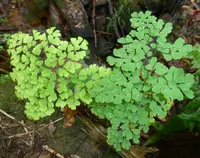
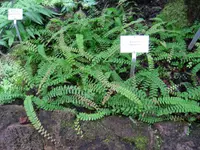
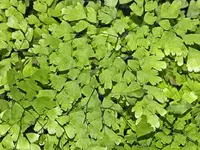
Pyramid maidenhair, Adiantum pyramidale, is a tropical fern known for its airy, layered fronds and fine, fan-shaped leaf segments on dark, wiry stems. It forms an upright, somewhat pyramidal clump, giving it a more vertical look than many other maidenhair ferns.

This species is native to warm, humid forests in the Caribbean and parts of tropical America, where it grows in shaded, consistently moist habitats. It can be moderately challenging to keep indoors because it dislikes drying out, sudden temperature changes, and low humidity, so learning how to care for pyramid maidenhair is important.

It generally prefers soft, indirect light, evenly moist but well-drained soil, and a stable, humid environment to maintain healthy fronds and steady growth.

Main Plant Requirements

Care Difficulty

Hard Care

Light Preference

Partial Shade

Water Requirements

Keep Soil Moist

Temperature Preference

Tropical / Frost Sensitive

Hardiness Zone

10–11

Soil Texture

Loamy, Peaty, Organic-rich

Soil pH

Acidic (5.5–6.5)

Soil Drainage

Moist but well-drained

Fertilization

Light (every 4–6 weeks)

Get Personalized Care Plan

Scan your plant to receive care tips personalized for your specific plant

Available on iOS and Android

How to Care for the pyramid maidenhair

This fern prefers soft, indirect light that mimics a shaded forest floor.

  • Provide 4–6 hours of bright, filtered light each day, such as dappled shade under taller plants or a sheer-curtained east or north window for pyramid maidenhair.
  • Allow gentle morning sun but avoid direct midday or afternoon sun, which can scorch fronds and bleach their color.
  • In winter, move slightly closer to a light source, while in summer increase shade or filtering to prevent heat and light stress.

This species needs evenly moist, never soggy, soil to keep fronds healthy and turgid.

  • Water when the top 1–2 cm of soil feels just barely dry, aiming to rewet the root zone before fronds start to droop or crisp at the tips.
  • Use a loose, humus-rich mix with excellent drainage so excess water drains within a few seconds, reducing the risk of root rot and sour smells.
  • In warmer months, expect more frequent watering as evaporation rises; in cooler seasons, maintain light surface moisture and watch for yellowing, limp fronds as a sign of overwatering in Adiantum pyramidale.

Stable, mild warmth supports steady frond production and root health.

  • Aim for 65–80°F (18–27°C) for best growth, avoiding rapid temperature swings that can cause frond drop or browning edges.
  • Protect the plant from temperatures below 50°F (10°C); light chills may stunt growth, while frost can kill fronds and damage the crown.
  • In hot weather above 85°F (29°C), increase shade and humidity, and ensure good air movement to limit heat stress and prevent frond scorching.

This species needs consistently high humidity to keep fronds hydrated and prevent tip dieback.

  • Aim for 60–80% humidity; below 50% the fronds of pyramid maidenhair often crisp at the edges.
  • Brown, curling pinnules, stalled new fronds, and frequent leaf drop indicate humidity stress rather than underwatering.
  • Increase humidity with a nearby humidifier, closed-door bathroom placement, or a wide pebble tray topped up so water does not touch the pot base.

Adiantum pyramidale prefers a loose, moist, organic-rich mix that stays airy around the roots.

  • Use a base of peat or coco coir with added leaf mold or compost for organic matter and steady moisture.
  • Improve drainage and aeration by blending in perlite and fine bark, aiming for a light, crumbly structure that never compacts hard.
  • Target a slightly acidic pH around 5.5–6.5, avoiding strongly alkaline mixes that can limit nutrient availability and stunt growth.
  • Avoid heavy clay-based soil, large amounts of sand, or mixes that dry to a hard crust, as these cause root stress and uneven moisture.

This fern is suitable for container growing if the pot supports shallow, moisture-stable root conditions.

  • Choose a wide, relatively shallow pot so the fibrous roots spread laterally without sitting in a deep water reservoir.
  • Select plastic or glazed ceramic over porous terracotta if the planting site is warm or drafty, to slow evaporation from the root zone.
  • Raise the pot slightly on feet or tiles so drainage holes stay clear and excess water exits quickly rather than pooling under the base.

Adiantum pyramidale benefits from light, consistent feeding rather than heavy applications.

  • Use a balanced liquid fertilizer (around 10-10-10) diluted to 1/4–1/2 strength for pyramid maidenhair in active growth.
  • Feed every 4–6 weeks in spring and summer when new fronds are emerging.
  • Skip or greatly reduce feeding in fall and winter when growth slows.
  • Avoid slow-release pellets that may burn fine roots; apply to moist soil only.

Adiantum pyramidale responds well to light, targeted pruning that focuses on frond health.

  • Best time is late winter to early spring, before strong new growth starts.
  • Remove dead, yellowing, or damaged fronds at the base using clean, sharp scissors.
  • Thin crowded, tangled fronds to improve air flow and reduce fungal issues.
  • Selective pruning maintains a neat, open shape and encourages fresh, vigorous fronds.

Adiantum pyramidale prefers stable conditions, so repotting or transplanting should be careful and infrequent.

  • Repot every 2–3 years in spring when roots circle the pot, water drains too quickly, or growth slows.
  • Choose a slightly larger container with a moisture-retentive, well-drained mix rich in organic matter.
  • Gently loosen the root ball, keep divisions intact, and avoid breaking the fine roots.
  • Water thoroughly after repotting, then keep humidity high and light moderate to reduce transplant shock.

Adiantum pyramidale is usually multiplied by careful division rather than from spores by home growers.

  • Divide mature clumps in early spring when new fiddleheads just appear.
  • Lift the root mass, then split into sections, each with several healthy crowns and roots.
  • Plant divisions into small pots with a fine, humus-rich fern mix and firm gently.
  • Maintain high humidity, soft indirect light, and evenly moist soil to support establishment.

Adiantum pyramidale is frost sensitive and needs mild, protected conditions during winter in cool climates.

  • In regions below 40°F, grow in containers and move indoors before the first frost.
  • Indoors, keep temperatures around 60–75°F with bright, indirect light and stable humidity.
  • Outdoors in mild zones, apply a light organic mulch to keep roots evenly moist, not frozen.

Care Tips

Frond Refresh Cycle

Allow older, yellowing fronds to die back naturally, then remove them at the base with clean scissors to stimulate new, dense growth without shocking the plant.


Moisture Gradient Setup

Place the pot inside a slightly larger cachepot lined with damp sphagnum moss to create a gentle moisture buffer that reduces sudden substrate drying around the fine roots.

Gentle Air Management

Position the plant where air moves gently but does not draft, such as near an open doorway rather than directly under a vent, to lower the risk of frond desiccation and edge burn.

Soft Water Strategy

Use rainwater, distilled, or filtered water with low dissolved salts, and flush the pot every 4–6 weeks to prevent mineral buildup that can damage the delicate leaf tissue when growing pyramid maidenhair.

Careful Repot Handling

When repotting, slide the root ball out with minimal disturbance, only loosening the outer 1–2 cm of roots, since heavy root teasing can severely slow recovery in this species.

Common Pests and Diseases

Soft scale

This pest attaches to frond stems and undersides, sucking sap and causing yellowing, weak growth, and sticky honeydew that can lead to sooty mold. Infestations are favored by warm, still, indoor air and stressed plants.

Solution

Remove heavily infested fronds and gently wipe remaining scale with a cotton pad dipped in diluted isopropyl alcohol, taking care not to abrade the delicate leaf tissue. Improve air movement, avoid oil-based products on the thin fronds, and repeat spot treatments weekly until no new scale appear.

Fern aphids

These insects cluster on tender new fronds and rachises, causing distortion, curling, and pale spotting, and may leave sticky honeydew that attracts mold. Colonies can build quickly on lush, high-humidity growth typical of pyramid maidenhair indoor care.

Solution

Rinse fronds thoroughly with a gentle, lukewarm shower or sink spray, supporting the plant to prevent damage. Follow up with applications of insecticidal soap at low concentration, sprayed only on cooler days or in the evening, repeating every 5–7 days until growth emerges clean.

Rhizoctonia leaf blight

This disease produces brown, irregular lesions along frond segments that can coalesce into blighted patches, often starting where fronds stay wet or touch the soil surface. Symptoms include rapid collapse of delicate leaf tissue under persistently warm, humid, low-airflow conditions.

Solution

Cut off all affected fronds at the base and discard them, then reduce overhead watering and avoid wetting foliage. Increase spacing and airflow around the plant, keep the soil surface just barely moist rather than soggy, and, in severe or recurrent cases, use a labeled fungicide drench according to fern-safe directions.

Botrytis gray mold

This disease appears as soft, water-soaked spots on fronds that later develop fuzzy gray mold, especially on older or damaged tissue. Symptoms include rapid decline in dense clumps grown in cool, stagnant, and overly humid spaces such as shaded bathrooms or terrariums.

Solution

Remove all affected fronds and any fallen leaf debris, and discard them away from other plants. Improve ventilation, reduce crowding, water early in the day so fronds dry quickly, and avoid misting directly onto foliage during cool periods to limit further spread.

Spider mites

This pest feeds on the undersides of pinnae, causing fine stippling, dull or gray-green fronds, and in advanced cases very fine webbing between segments. Symptoms include overall loss of sheen and gradual thinning of the crown, especially in warm, dry indoor air below 40% humidity.

Solution

Increase humidity around the plant using a pebble tray or humidifier and gently rinse both sides of fronds under a soft spray to dislodge mites. Follow with repeated low-strength insecticidal soap applications focused on the undersides of fronds, inspecting weekly and continuing treatments until no mites or webbing are visible.

Interesting Facts

Native limestone specialist

This fern naturally occurs on moist, shaded limestone cliffs and rock faces in the Caribbean and parts of tropical America, showing a strong preference for calcareous, high-calcium substrates compared with many other maidenhair ferns.

Tallest maidenhair relative

Among maidenhair ferns, it is notable for forming large, almost shrubby clumps that can reach roughly 1–1.5 m in height in its native habitat, giving it a more architectural form than many low-growing Adiantum species.

Distinctive pyramidal fronds

The fronds are arranged in a broad, tapering outline that appears triangular or pyramid-like, with many small, fan-shaped segments attached to wiry black stalks, which gives rise to its common name pyramid maidenhair.

FAQs about pyramid maidenhair

This fern is generally regarded as non-toxic to cats and dogs. Ingesting large amounts of any foliage may still cause mild stomach upset, so place it where pets are less likely to chew regularly.

Grow Healthy Plants with Botan Care

Keep your plants happy and healthy with plant identification, disease detection, and easy care guidance.


Botan plant care app — identify plants on mobile

Explore More Plants