Arenga Palm Care (Arenga engleri)

Also known as: Formosan sugar palm
Arenga Palm

About Arenga Palm

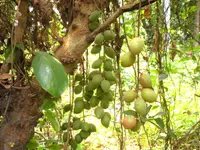
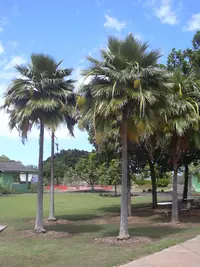
Arenga Palm (Arenga engleri), also called dwarf sugar palm, is a clustering feather palm with multiple stems and arching, finely divided fronds. It usually forms a dense, shrubby clump rather than a single tall trunk.

This species comes from subtropical forests of Taiwan and the Ryukyu Islands, where it grows in bright, filtered light and warm, humid air. Its slow to moderate growth, tolerance of light shade, and relatively sturdy foliage make it manageable for patient growers.

It prefers well-drained soil, regular moisture, and protection from harsh cold or very dry air, which guides how to care for Arenga Palm in home landscapes or large indoor spaces.

Main Plant Requirements

Care Difficulty

Moderate Care

Light Preference

Partial Shade

Water Requirements

Regular Water

Temperature Preference

Warm Climate

Hardiness Zone

9–11

Soil Texture

Sandy, Loamy, Organic-rich

Soil pH

Acidic (5.5–6.5), Slightly acidic (6.5–7.0)

Soil Drainage

Moist but well-drained

Fertilization

Light (every 4–6 weeks)

Get Personalized Care Plan

Scan your plant to receive care tips personalized for your specific plant

Available on iOS and Android

How to Care for the Arenga Palm

This palm prefers bright, filtered light that mimics dappled forest sun.

  • Provide 3–5 hours of gentle morning sun with light shade or filtered light the rest of the day, especially in hot climates.
  • Tolerates partial shade, but in very dim sites fronds thin out and growth slows; move slightly brighter if new leaves emerge smaller and sparse.
  • In zones with intense summer sun, protect Arenga Palm from harsh afternoon exposure to prevent leaf scorch and brown, crispy tips.

This species prefers evenly moist but not waterlogged soil.

  • Before watering, let the top 3–5 cm of soil dry; then soak the root zone thoroughly so moisture reaches the deeper soil layer.
  • In warm growing seasons, expect to water more often as the surface dries faster; reduce frequency in cool months while preventing the root zone from staying soggy.
  • Signs of overwatering include yellowing lower fronds and a sour soil smell, while sharply folding or browning leaflet tips suggest the plant is staying too dry.

This palm prefers warm, frost-free conditions with moderate seasonal variation.

  • Aim for 65–85°F (18–29°C) for active growth; in these temperatures the plant maintains steady leaf production and good color.
  • Short dips to about 25°F (−4°C) may be survived with leaf damage, but repeated frosts or colder spells can kill the crown, especially in exposed sites.
  • In hot regions, it tolerates 90–100°F (32–38°C) if soil moisture is maintained and the plant has some afternoon shade to limit heat stress.

This palm prefers moderately humid air but usually copes with typical indoor levels.

  • Aim for 40–60% humidity to support steady growth and reduce leaf browning.
  • Tolerates short periods of dry air, but prolonged low humidity causes brown tips and crispy leaf edges.
  • Increase humidity with a nearby humidifier, grouped plants, or a pebble tray, rather than misting heavily.

Arenga engleri prefers airy, fast-draining, organic-rich soil that still retains some moisture.

  • Use a loose mix such as 2 parts peat- or coir-based potting mix, 1 part compost, and 1 part perlite or pumice.
  • Aim for slightly acidic to neutral pH around 6.0–7.0 to support nutrient uptake and root health.
  • Ensure strong drainage so water moves through within seconds, preventing waterlogging and root rot.
  • Avoid heavy clay, poorly draining mixes, or pure sand, which either suffocate roots or dry out too quickly.

This species adapts well to container growing when given stable, well-drained conditions.

  • Choose a wide, heavy container to counteract the multi-stemmed, spreading habit and prevent tipping in wind.
  • Select a pot depth that allows roots to spread laterally, not just downward, to match its clumping growth pattern.
  • Use containers with multiple drainage holes so excess water exits quickly, reducing the risk of soggy substrate pockets.

Moderate feeding supports steady growth of Arenga Palm without forcing soft, weak tissue.

  • Use a balanced slow-release fertilizer (for example 10-10-10) or well-aged compost at the start of spring.
  • Feed container plants every 6–8 weeks in the growing season, using liquid balanced NPK at 1/2 strength.
  • Reduce or stop feeding in fall and winter when growth slows.
  • Water before and after applying fertilizer to limit root burn risk.

Thoughtful pruning of Arenga engleri maintains a tidy outline and reduces pest and disease issues.

  • Carry out main pruning in late winter or early spring before strong new growth starts.
  • Remove dead, yellowing, or damaged fronds cleanly at the base without cutting into the trunk.
  • Thin crowded or crossing fronds to improve air flow and light penetration through the crown.
  • Use sharp, disinfected loppers or a pruning saw and avoid tearing the fibrous tissue.

Moving Arenga engleri is done infrequently to avoid disturbing its fibrous root system.

  • Check for roots circling the pot, bulging container sides, or slowed growth as signs it needs a larger space.
  • Plan repotting or transplanting for late spring to early summer, once soil and night temperatures have warmed.
  • Repot every 3–5 years into a container 1–2 in wider, using free-draining, slightly sandy mix.
  • Water thoroughly after moving, then keep evenly moist and shaded for 1–2 weeks to reduce transplant shock.

New plants of Arenga engleri are usually raised from seeds, which need warmth and patience.

  • Sow fresh, cleaned seeds in late spring in a sterile, free-draining medium such as sand and peat mix.
  • Maintain 75–85°F bottom warmth and high humidity to support slow, uneven germination.
  • Lightly cover seeds and keep the medium just moist, never waterlogged, to limit rot.
  • Label containers and expect germination to take several months, sometimes longer, before seedlings can be potted on.

Winter care for Arenga engleri depends on climate, as this palm dislikes extended hard freezes.

  • In USDA zones 9–10, plants usually overwinter outdoors with only light mulch over the root zone.
  • In colder areas, grow in containers and move indoors or to a frost-free greenhouse before temperatures drop below 28°F.
  • Wrap outdoor trunks and tie fronds loosely with breathable fabric during brief cold snaps.

Care Tips

Wind acclimation

If moving a container plant outdoors, gradually increase its wind exposure over 7–10 days so the fronds toughen and the shallow root system stabilizes without snapping or rocking the root ball.

Root zone mulching

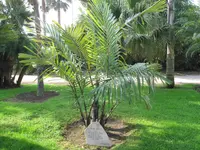
Apply a 5–8 cm layer of composted bark or wood chips around the base, keeping it 5–8 cm away from the trunk, to buffer soil temperature, reduce surface root stress, and limit weed competition.

Cluster thinning

On mature clumps, selectively remove a few weak or crowded stems at the base every 1–2 years to improve air circulation, reduce fungal issues, and direct energy into the strongest canes.

Container stabilization

For potted plants in windy or exposed spots, use a wide, heavy container and, if needed, add bricks or stones at the bottom to lower the center of gravity and prevent tipping as the canopy enlarges.

Salt management

In coastal or high-salinity irrigation areas, periodically leach the soil with ample fresh water and avoid de-icing salts nearby, since this palm is more tolerant of cool conditions than of accumulated salt stress when growing Arenga Palm.

Common Pests and Diseases

Palm leaf skeletonizer

This pest feeds between the surfaces of palm leaflets, leaving long, translucent or brownish windows and ragged fronds. Symptoms include fronds that appear scorched or shredded along the leaflets while the midrib often remains intact.

Solution

Prune and discard heavily damaged fronds to remove larvae and pupae, then inspect new growth regularly. For active infestations, spray the undersides of fronds with a biological product containing Bacillus thuringiensis (Bt) or a horticultural oil, applied in the evening to limit leaf burn, and avoid overhead watering that can spread larvae onto clean foliage.

Scale insects

These insects attach to leaf stalks and undersides of leaflets, appearing as small bumps that can cause yellowing and decline over time. Symptoms include sticky honeydew, sooty mold growth, and overall loss of vigor.

Solution

Remove light infestations by gently scraping or wiping scales off with a cloth dipped in diluted alcohol or soapy water. For larger populations, apply a horticultural oil or insecticidal soap thoroughly to stems and leaf undersides, and repeat at 7–14 day intervals while improving light and airflow to strengthen the palm.

Ganoderma butt rot

This disease attacks the lower trunk and root crown, leading to gradual decline, frond yellowing, and structural weakness. Symptoms include a hard, reddish-brown shelf-like mushroom forming near the base of the palm.

Solution

There is no curative treatment; remove and properly dispose of affected palms, including as much of the stump and roots as possible, and avoid planting another palm in the same spot. Improve site drainage, avoid trunk wounds, and prevent chronic overwatering in nearby Arenga plants to reduce risk in the landscape.

Bud rot

This disease affects the growing point of the palm, causing the newest spear leaf to wilt, soften, and eventually collapse. Symptoms include a foul odor and blackened tissue in the crown area when the spear is pulled out easily.

Solution

Remove and dispose of rotting spear and surrounding soft tissue, keeping the crown as dry as possible and avoiding overhead irrigation. In warm, wet conditions, a copper-based fungicide drench into the crown can help protect nearby palms, and spacing plants to improve airflow reduces the likelihood of recurrence.

Pink rot

This disease causes browning and collapse of fronds, often starting on wounded or stressed tissue, with salmon-pink fungal growth sometimes visible on affected areas. Symptoms include patchy dieback of leaves and weakening of the crown in humid, shaded sites.

Solution

Prune and discard infected fronds and any dead tissue from the crown, sterilizing tools between cuts to avoid spread. Improve light, airflow, and drainage around the plant, and in persistent cases use a labeled fungicide rotation while adjusting watering so the crown and leaves dry between irrigations as part of broader Arenga engleri care.

Interesting Facts

Natural clumping habit

This species forms dense, suckering clumps from multiple stems, creating a broad, shrubby palm rather than a single trunk, which helps it stabilize slopes and resist wind in its native habitats of Taiwan and the Ryukyu Islands of Japan.

Fragrant pineapple scent

The flowers produce a noticeable pineapple-like fragrance, which attracts pollinators and makes the plant easy to identify when in bloom even before the inflorescences are seen.

Unusual cold tolerance

Compared with many tropical palms, this species tolerates short periods of cooler temperatures and light frost, which makes Arenga engleri care feasible in milder temperate regions where most palms fail.

Botan icon

Did you know?

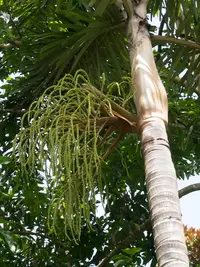
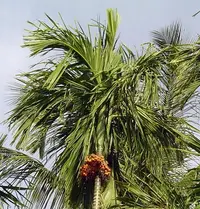
Arenga engleri produces clusters of bright orange to red fruits that are highly irritant due to needle-like calcium oxalate crystals; this discourages mammal browsing and requires careful handling by humans to avoid skin and eye irritation.

FAQs about Arenga Palm

Brown tips usually result from low humidity, accumulated salts from fertilizer, or chronic underwatering. Flush the potting mix with clean water, reduce fertilizer strength, and maintain more even moisture. Dry indoor air can also worsen browning.

Grow Healthy Plants with Botan Care

Keep your plants happy and healthy with plant identification, disease detection, and easy care guidance.

Botan plant care app — identify plants on mobile

Explore More Plants