Chinese Evergreen Care (Aglaonema 'Pink Dalmatian')

Also known as: Aglaonema

About Chinese Evergreen

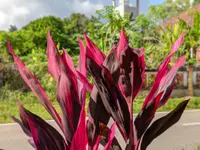
Chinese evergreen Aglaonema 'Pink Dalmatian' is a compact tropical foliage plant valued for its colorful, speckled leaves. It typically grows as a clumping, low, bushy plant suited to indoor containers.

The leaves are green with soft pink spots and splashes, giving a decorative look even in simple rooms. New shoots emerge from the base over time, slowly filling the pot.

This cultivar traces back to humid, shaded forests in Southeast Asia, so it naturally prefers stable warmth and protection from harsh sun. Its tolerance of lower light and irregular watering makes it forgiving for those learning how to care for Chinese Evergreen.

In general, it grows best in bright, indirect light, evenly moist but not waterlogged soil, and a well-draining potting mix.

Main Plant Requirements

Care Difficulty

Easy Care

Light Preference

Bright Indirect Light

Water Requirements

Moderate Water

Temperature Preference

Tropical / Frost Sensitive

Hardiness Zone

10–11

Soil Texture

Loamy, Peaty, Organic-rich

Soil pH

Acidic (5.5–6.5), Slightly acidic (6.5–7.0)

Soil Drainage

Moist but well-drained

Fertilization

Light (every 4–6 weeks)

Get Personalized Care Plan

Scan your plant to receive care tips personalized for your specific plant

Available on iOS and Android

How to Care for the Chinese Evergreen

This cultivar prefers bright, filtered light that protects its variegated leaves from direct sun scorch.

  • Provide 6–8 hours of bright, indirect light daily, such as near an east or north window, or under light shade outdoors.
  • Tolerates partial shade (around 3–4 hours of filtered light), but growth slows and pink spots may fade if light stays too low.
  • Avoid strong midday or afternoon sun; leaves may curl, bleach, or develop brown patches, especially in summer for Chinese Evergreen indoor care.

This plant prefers evenly moist but not saturated soil, with short drying periods between waterings.

  • Water when the top 2–4 cm of soil feels dry, using room-temperature water, and allow excess to drain completely from the pot or bed.
  • In spring and summer, you may need to water more often as growth is faster; reduce frequency in fall and winter when the soil dries more slowly.
  • Watch for yellowing, mushy stems or a sour smell as signs of overwatering, and dull, drooping, or curling leaves as signs of underwatering in Aglaonema 'Pink Dalmatian' care.

Stable warm temperatures support steady growth and reduce stress for this tropical foliage plant.

  • Aim for 65–80°F (18–27°C) for best growth, keeping temperatures as consistent as possible across day and night.
  • Protect from cold; growth slows below about 60°F (16°C), and damage can occur if exposed to 50°F (10°C) or lower, especially with drafts.
  • Tolerates short periods up to 85°F (29°C) if humidity is moderate, but above this monitor closely for wilting and move away from hot windows or heating vents.

This cultivar prefers moderately humid air but adapts to most home conditions if extremes are avoided.

  • Aim for 40–60% humidity to keep foliage color and leaf edges in good condition.
  • It tolerates short spells of drier air but prolonged low humidity can cause brown tips and crisp leaf margins.
  • Increase humidity with a nearby humidifier, grouped plants, or a pebble tray that allows the pot base to stay above the waterline.

Aglaonema 'Pink Dalmatian' grows best in airy, moisture-retentive but free-draining potting media.

  • Use a peat- or coco-based houseplant mix amended with 20–30% perlite and a small amount of fine bark for structure and aeration.
  • Aim for slightly acidic to neutral pH around 6.0–7.0, which supports nutrient availability without risking micronutrient lockout.
  • Ensure the mix drains within a few seconds after watering but still feels lightly moist, not soggy, 1–2 cm below the surface.
  • Avoid heavy garden soil, pure compost, or mixes that stay wet for many hours, as they promote root rot and oxygen deprivation.

This species is well-suited to container growing in homes and shaded outdoor patios.

  • Choose a slightly snug pot that keeps the root ball stable, which helps prevent the foliage-heavy plant from leaning or toppling.
  • Select a container material that matches your watering style, such as unglazed clay to reduce moisture in very humid or shaded spots.
  • Elevate the pot on feet or a stand so drainage holes stay clear and excess water leaves the container quickly after each watering.

This cultivar benefits from light, consistent feeding during the active growing season for steady foliage production.

  • Use a balanced liquid fertilizer (such as 10-10-10 or 20-20-20) diluted to 1/4–1/2 strength for Aglaonema 'Pink Dalmatian' care instructions.
  • Feed every 4–6 weeks in spring and summer when growth is active.
  • Stop or reduce feeding to 1 light application for the whole period in fall and winter, as growth slows.
  • Rinse the potting mix with plain water every few months to limit salt buildup that can burn roots.

Pruning is light but helpful to keep Aglaonema 'Pink Dalmatian' compact and tidy indoors.

  • Best time for nonessential pruning is late spring to summer when the plant is actively growing.
  • Remove yellow, dead, or damaged leaves at the base to reduce disease risk and improve appearance.
  • Thin out crowded stems to let more light reach inner foliage and maintain a balanced shape.
  • Use clean, sharp scissors or pruners, disinfected before cutting, to avoid spreading pathogens.

This houseplant prefers slightly snug pots and only occasional repotting when truly root-bound.

  • Check for roots circling the pot, growing through drainage holes, or very slow growth as signs it needs repotting.
  • Plan to move Aglaonema 'Pink Dalmatian' to a new container every 2–3 years in spring for least stress.
  • Choose a pot 2–3 cm wider with fresh, well-draining peat- or coco-based mix, and keep the root ball at the same depth.
  • Water thoroughly after shifting, then keep in bright, indirect light and stable warmth to help roots re-establish.

Aglaonema 'Pink Dalmatian' is most reliably propagated by division or stem cuttings taken from a healthy mother plant.

  • Best season is late spring to early summer, when warmth and longer days support rooting.
  • Divide clumps during repotting, ensuring each division has several leaves and a portion of healthy roots.
  • For stem cuttings, use 8–12 cm sections with at least one node and root them in moist, airy mix at 70–80°F.
  • Maintain high humidity and bright, indirect light, keeping the medium just lightly moist until roots form.

As a frost-sensitive tropical, this plant requires warm indoor conditions during winter in most climates.

  • Keep temperatures around 65–75°F and avoid spots below 60°F to prevent chilling injury.
  • Move containers well away from cold drafts, exterior doors, and single-pane windows at night.
  • Allow the top of the potting mix to dry more between waterings in winter, as growth slows.
  • Maintain moderate humidity (40–60%) using a tray of water and pebbles or a room humidifier if indoor air is very dry.

Care Tips

Rotate For Even Color

Turn the pot 90° every 2–3 weeks so all sides receive similar light, which keeps variegation more even and prevents one-sided leaning.

Use Supportive Potting

Select a slightly heavier ceramic or clay pot to counterbalance the top-heavy foliage and reduce the risk of tipping when leaves mature and elongate.

Clean And Inspect Leaves

Wipe both sides of the leaves monthly with a damp, soft cloth to remove dust, improve light capture, and check early for scale, mealybugs, or spider mites.

Seasonal Water Adjustment

In winter, extend the interval between waterings by several days and rely more on checking soil moisture by finger or moisture meter, since reduced indoor light slows uptake.

Quarantine New Arrivals

Keep any new houseplants in a separate room for 2–3 weeks before placing them near this plant to minimize the risk of transferring pests or diseases while caring for Chinese Evergreen.

Common Pests and Diseases

Spider mites

This pest causes fine stippling on leaves, dulling the variegation and sometimes leaving faint webbing between petioles and leaf undersides.

Solution

Rinse foliage thoroughly with lukewarm water, focusing on leaf undersides, then repeat every 5–7 days for several cycles; for heavier infestations, apply insecticidal soap or a horticultural oil labeled for indoor use and increase humidity to 50–60% to make conditions less favorable for mites.

Mealybugs

These insects appear as white cottony clusters in leaf axils and along stems, causing yellowing patches and sticky honeydew on the foliage.

Solution

Isolate the plant, dab visible insects with cotton swabs dipped in 70% isopropyl alcohol, then wash the plant with a mild insecticidal soap solution; repeat weekly until no new mealybugs appear and inspect any new plants before placing them nearby to reduce reinfestation risk.

Bacterial leaf spot

This disease produces water-soaked, translucent lesions that later turn brown with yellow halos, often starting on older leaves in cramped or overly wet conditions.

Solution

Remove and discard affected leaves, avoid overhead watering, and keep foliage dry by watering at the soil level while improving air circulation; if spread continues, reduce humidity slightly and keep the plant on the drier side of its normal watering routine, as recommended in many Chinese Evergreen care instructions.

Fusarium stem rot

This disease causes dark, sunken lesions at the stem base, leading to wilting and collapse even when the soil is not completely dry.

Solution

Remove and discard all affected stems and any soft, discolored roots, then repot in fresh, sterile potting mix in a clean container; improve drainage, avoid overwatering, and discard severely affected plants to prevent spreading the fungus to other Aglaonema specimens.

Scale insects

These insects appear as small, brown or tan bumps on stems and leaf midribs, drawing sap and causing gradual yellowing and leaf drop if ignored.

Solution

Gently scrape or wipe off visible scales with a soft cloth or cotton swab dipped in 70% isopropyl alcohol, then treat remaining insects with repeated applications of horticultural oil or insecticidal soap every 7–10 days while monitoring new growth closely.

Interesting Facts

Stable pink variegation

This cultivar is selected for relatively stable pink variegation, meaning its blotches and speckles of pink pigment tend to persist through new leaves rather than reverting fully to green under typical indoor conditions.

Chimeric leaf pattern

The spotted pink-on-green pattern results from a chimeric arrangement of different cell layers in the leaf, where some tissues produce less chlorophyll, so they appear pink while neighboring tissues remain green and photosynthetically active.

Hybrid breeding origin

Pink Dalmatian is not a wild species but a man-made hybrid selection from Aglaonema breeding programs in Asia, where repeated cross-pollination and selection were used to intensify pink color and speckled patterning.

FAQs about Chinese Evergreen

Brown tips or edges usually result from low humidity, excess fertilizer salts, or fluoride/chlorine in tap water. Use filtered or dechlorinated water, flush the pot occasionally, maintain moderate humidity, and avoid overfertilizing to prevent further damage.

Grow Healthy Plants with Botan Care

Keep your plants happy and healthy with plant identification, disease detection, and easy care guidance.

Botan plant care app — identify plants on mobile

Explore More Plants