Curly Spider Plant Care (Chlorophytum comosum 'Bonnie')

Also known as: Spider Plant, Airplane Plant
Curly Spider Plant

About Curly Spider Plant

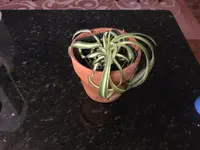
Chlorophytum comosum 'Bonnie', commonly called curly spider plant, is a compact, arching houseplant grown mainly for its fountain of curled, ribbon-like leaves. The foliage is usually green with creamy stripes, forming dense rosettes that send out hanging plantlets on slender stems.

This cultivar comes from a species native to southern Africa but is now widely kept as an indoor plant in homes and offices. It is valued for being adaptable, forgiving of minor neglect, and generally easy to care for, which helps beginners learn how to care for Curly Spider Plant.

It prefers bright, indirect light, modest but regular watering, and a loose, well-drained potting mix, making it suitable for a wide range of indoor conditions.

Main Plant Requirements

Care Difficulty

Easy Care

Light Preference

Bright Indirect Light

Water Requirements

Moderate Water

Temperature Preference

Tropical / Frost Sensitive

Hardiness Zone

9–11

Soil Texture

Loamy, Sandy, Organic-rich

Soil pH

Acidic (5.5–6.5), Slightly acidic (6.5–7.0)

Soil Drainage

Moist but well-drained

Fertilization

Light (every 4–6 weeks)

Get Personalized Care Plan

Scan your plant to receive care tips personalized for your specific plant

Available on iOS and Android

How to Care for the Curly Spider Plant

This cultivar prefers bright, indirect light and adapts well to typical home lighting conditions.

  • Provide 6–8 hours of bright, filtered light each day, such as near an east- or north-facing window where direct rays are softened by curtains or distance.
  • Curly Spider Plant tolerates light shade, but in very low light its growth slows and new leaves may emerge smaller and less variegated.
  • Avoid strong midday or afternoon sun, especially through glass, which can scorch leaves; shift slightly farther from windows during intense summer sun and move closer in winter.

This plant prefers evenly moist but not saturated soil and forgives occasional missed waterings.

  • Before watering Chlorophytum comosum 'Bonnie', let the top 2–4 cm of soil dry; check using a finger rather than following a fixed schedule.
  • Water thoroughly until some moisture exits drainage holes, then empty saucers so roots are not left in standing water that promotes rot and fungus gnat issues.
  • In spring–summer, drying time shortens and you may water more often; in fall–winter, allow slightly deeper drying and watch for limp, curling leaves from underwatering or yellow, mushy bases from overwatering.

This species grows best in stable, moderate temperatures without sudden drafts or extremes.

  • Aim for 65–80°F (18–27°C) for active growth; short dips to 60°F (16°C) are usually tolerated but may slow new leaves.
  • Protect from cold; sustained temperatures below 50°F (10°C) can cause leaf damage, and frost will typically kill foliage, especially on young plants.
  • In hot spells above 85°F (29°C), increase air movement, shade from harsh sun, and monitor soil moisture, as higher heat accelerates drying and can stress leaf tips.

This species handles typical indoor humidity but responds best to moderate moisture in the air.

  • Aim for 40–60% relative humidity to keep foliage lush and reduce leaf-tip browning.
  • Curly Spider Plant tolerates drier air, but persistent brown, crispy tips or edges signal humidity or watering stress.
  • Increase humidity by grouping plants, placing the pot on a pebble tray with water below the base, or running a small nearby humidifier.

Chlorophytum comosum 'Bonnie' prefers a light, airy mix that drains quickly yet retains some moisture.

  • Use a peat- or coco-coir-based mix with added perlite or pumice to create a loose, well-structured substrate.
  • Aim for slightly acidic to neutral pH, around 6.0–7.0, which supports nutrient availability and healthy root function.
  • Incorporate 20–30% compost or worm castings for organic matter, but balance this with coarse materials to avoid compaction.
  • Avoid dense garden soil or heavy clay mixes that stay wet for long periods and limit oxygen around the roots.

This compact, arching plant is very suitable for container growing both indoors and outdoors in mild climates.

  • Choose a pot slightly wider than the root mass so the roots fill the container and support the arching, fountain-like foliage.
  • Select a stable, heavier container or hanging basket hardware that prevents tipping as the foliage and plantlets extend outward.
  • Use a pot material that matches your watering habits, such as porous terracotta for quick drying or glazed plastic to retain moisture longer.

This compact spider plant benefits from light, consistent feeding during active growth but reacts poorly to excess salts.

  • Use a balanced liquid fertilizer (around 10-10-10 or 20-20-20) at 1/4–1/2 strength for Curly Spider Plant indoor care.
  • Apply every 4–6 weeks in spring and summer when growth is strongest.
  • Skip or reduce feeding to 1 light dose in fall and none in midwinter under low light.
  • Flush the pot with plain water every 2–3 months to reduce fertilizer salt buildup.

Thoughtful pruning keeps Chlorophytum comosum 'Bonnie' compact, clean, and producing healthy new foliage and offsets.

  • Best time is spring to early summer, though minor grooming is fine year-round indoors.
  • Remove brown leaf tips and dead or yellow leaves with clean, sharp scissors close to the base.
  • Cut back long, crowded stolons and extra plantlets to maintain shape and encourage denser growth.
  • Disinfect tools before and after use to limit disease spread, especially in shared collections.

This plant grows well slightly root-bound but benefits from periodic repotting to refresh substrate and support offset growth.

  • Check every 1–2 years; repot when roots circle the pot, push above soil, or growth and watering interval change noticeably.
  • Repot in spring using a container 2–3 cm wider, with drainage holes and a loose, peat-free, well-aerated mix.
  • Gently tease apart circling roots and trim only damaged portions to minimize stress.
  • Water thoroughly after repotting, then keep in bright, indirect light and slightly drier for 5–7 days while roots recover.

Chlorophytum comosum 'Bonnie' is most commonly multiplied from its plantlets, which are natural offshoots on arching stolons.

  • Best season is spring to late summer, when light and temperatures support rapid rooting.
  • Root plantlets in water or directly into moist, well-draining potting mix while still attached, then detach once new roots are 2–3 cm.
  • Alternatively, divide a mature, pot-bound clump, ensuring each division has healthy roots and several leaves.
  • Maintain bright, indirect light, 65–80°F, and lightly moist substrate to support fast root establishment.

This cultivar is frost-tender and needs indoor conditions or a protected space in regions with cold winters.

  • Bring outdoor containers indoors before temperatures drop near 40°F, as foliage is damaged by light frost.
  • Maintain indoor temperatures around 60–75°F and avoid cold drafts from windows or doors.
  • Reduce watering in low light, allowing the top 2–3 cm of mix to dry between waterings to prevent root rot.
  • Provide bright, indirect light and avoid direct contact with cold glass to limit leaf spotting and stress.

Care Tips

Rotate For Balance

Rotate the pot 90° every 1–2 weeks so the rosette stays centered and the curled leaves arch evenly instead of leaning strongly toward the light source.

Support Heavy Offshoots

If many plantlets form on long stolons, loop the stems gently onto the soil surface or a low hoop so they do not kink or snap under their own weight.

Refresh Crowded Centers

Every 2–3 years, unpot the plant, slice the root mass into 2–3 sections with a clean knife, discard the oldest woody center, and replant the younger outer divisions for a denser, fresher-looking clump.

Selective Plantlet Rooting

Root only the strongest, most compact plantlets by pinning them onto fresh potting mix in small nursery pots while they are still attached, then cut the stolon once new roots are visible and growth resumes.

Prevent Fluoride Tip Burn

If leaf tips regularly brown, switch to rainwater, distilled, or filtered water low in fluoride and salts, and leach the pot thoroughly every few months to flush built-up minerals as part of general caring for Curly Spider Plant.

Common Pests and Diseases

Spider mites

This pest is favored by dry indoor air and can cause fine stippling, dull foliage, and delicate webbing on the undersides of the curly leaves and around the leaf bases.

Solution

Rinse foliage thoroughly with lukewarm water, including the leaf undersides, then repeat every few days; increase humidity slightly and improve air circulation. For persistent infestations, apply an insecticidal soap or neem oil spray, making sure to cover tight leaf curls where mites hide.

Aphids

These insects cluster on tender leaf bases, offsets, and flower stalks, sucking sap and leaving sticky honeydew that can attract sooty mold.

Solution

Shower the plant to dislodge colonies and pinch off heavily infested flower stalks or offsets. Follow with insecticidal soap or neem oil directed into the crown and around plantlets, repeating weekly until new growth emerges clean.

Mealybugs

This pest appears as white, cottony clumps tucked in leaf whorls and around the base of offsets, causing yellowing, distortion, and sticky residue.

Solution

Dab visible insects with cotton swabs dipped in isopropyl alcohol, then rinse the plant thoroughly. In heavier cases, use repeated applications of insecticidal soap or neem oil, making sure to reach into tight curls and between crowded plantlets as part of structured Chlorophytum comosum 'Bonnie' plant care.

Leaf tip burn

Symptoms include brown, dry tips and margins on otherwise healthy leaves, often linked to fluoride or chlorine in tap water, excess fertilizer, or very low humidity.

Solution

Trim damaged tips neatly without cutting into healthy tissue, then switch to filtered, rain, or distilled water and reduce fertilizer frequency and strength. Keep the soil evenly moist, avoid letting it fully dry out, and maintain moderate indoor humidity around 40–50%.

Bacterial leaf spot

This disease causes small, water-soaked or translucent spots that can turn tan to brown with a yellow halo, often spreading along the leaf blade in humid, crowded conditions.

Solution

Remove and discard affected leaves, avoiding contact with healthy foliage, and keep leaves dry by watering at the soil level. Improve air flow, space plants properly, and if spread continues, consider using a copper-based bactericide labeled for indoor ornamentals while adjusting care to avoid frequent leaf wetting.

Interesting Facts

Compact curly rosette

Unlike the typical arching spider plant, this cultivar forms a tighter rosette with strongly spiraled leaves, a result of selected mutation that alters leaf growth direction and length.

Corkscrew flower stalks

Its stolons (flowering runners) twist into loose spirals rather than hanging straight, so plantlets appear on curled stems, a growth habit that distinguishes it visually from most other Chlorophytum comosum forms.

Stable variegation pattern

The green leaves with lighter central striping are genetically fixed in this cultivar, so plants grown from offsets reliably keep the same curled, variegated appearance when you grow Chlorophytum comosum 'Bonnie' from its pups.

FAQs about Curly Spider Plant

Brown tips usually result from fluoride or chlorine in tap water, low humidity, or excess fertilizer salts. Use filtered or rested water, flush the pot occasionally, and trim dry tips without cutting into healthy tissue.

Grow Healthy Plants with Botan Care

Keep your plants happy and healthy with plant identification, disease detection, and easy care guidance.

Botan plant care app — identify plants on mobile

Explore More Plants