saba nut tree Care (Pachira glabra)

saba nut tree

About saba nut tree

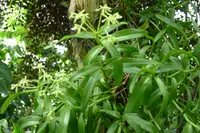
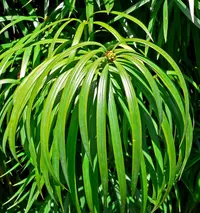
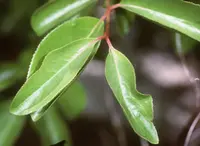
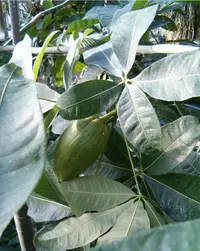
Pachira glabra is a small tropical tree from Central and South America, often grown indoors as a compact foliage plant. It typically has glossy, hand-shaped leaves and a smooth, straight trunk that can be kept short with pruning.

In nature it grows in warm, humid lowland forests and along riverbanks, so it adapts well to stable indoor temperatures. The plant is considered relatively forgiving, which makes it suitable for beginners who want to care for Pachira glabra.

It tolerates typical indoor conditions but performs best with bright, indirect light, moderate moisture, and a well-drained potting mix that does not stay waterlogged.

Main Plant Requirements

Care Difficulty

Easy Care

Light Preference

Bright Indirect Light

Water Requirements

Moderate Water

Temperature Preference

Tropical / Frost Sensitive

Hardiness Zone

10–12

Soil Texture

Loamy, Sandy, Organic-rich

Soil pH

Acidic (5.5–6.5), Slightly acidic (6.5–7.0)

Soil Drainage

Moist but well-drained

Fertilization

Light (every 4–6 weeks)

Get Personalized Care Plan

Scan your plant to receive care tips personalized for your specific plant

Available on iOS and Android

How to Care for the saba nut tree

This species thrives in bright, indirect light that mimics dappled tropical sun.

  • Provide 4–6 hours of bright, filtered light daily, such as near an east- or north-facing window or under light shade outdoors.
  • Tolerates partial shade, but if stems stretch or leaves pale, gradually increase light with more morning sun rather than harsh midday exposure.
  • Avoid strong afternoon sun behind glass or in open sites, which can cause leaf scorch; in winter, move Pachira glabra to the brightest frost-free spot available.

Watering should keep the root zone evenly moist but never saturated.

  • Let the top 2–4 cm of soil dry before watering again, using your finger to check rather than following a fixed calendar schedule.
  • Use well-draining soil so excess water runs freely from the root zone, reducing risk of root rot, mushy stems, or a sour smell from the potting mix.
  • In warm active growth, soil will dry faster; in cooler seasons, drying takes longer, and leaves that droop yet feel dry signal underwatering, while yellowing, soft leaves suggest excess moisture.

Stable warm conditions support steady growth and healthy foliage.

  • Aim for 65–80°F (18–27°C) for best growth, avoiding sudden swings that stress roots and foliage.
  • Protect from cold; growth slows below 60°F (16°C), and damage often occurs below 50°F (10°C), with tissue death likely near 40°F (4°C) and any frost being harmful.
  • In hotter periods above 85°F (29°C), increase air movement and shade from intense sun to limit leaf scorch and excessive transpiration, especially in enclosed spaces.

This species benefits from moderately humid air but usually adapts to typical indoor levels.

  • Aim for 40–60% humidity to support steady growth and balanced transpiration.
  • It tolerates short periods of drier air, but tips may brown and new leaves may distort if humidity stays low.
  • Increase humidity with a nearby humidifier, grouping plants, or placing the pot on a pebble tray without letting the base sit in water.

Pachira glabra prefers a loose, airy mix that drains quickly but still holds some moisture.

  • Use a peat- or coco-based potting mix amended with 20–40% perlite or pumice for structure and aeration.
  • Aim for slightly acidic to neutral pH, roughly 6.0–7.0, to keep nutrients available and roots functioning well.
  • Incorporate a small amount of compost or fine bark to add organic matter without making the mix heavy or waterlogged.
  • Avoid dense garden soil, high clay content, or mixes that stay wet for more than 3–4 days after watering to reduce root rot risk.

This species is well suited to container growing due to its manageable root system and adaptable size.

  • Choose a pot just 2–5 cm wider than the root mass to limit excess wet substrate and support stable moisture levels.
  • Select a heavier container material, such as ceramic, if the plant grows tall to reduce tipping in wind or accidental bumps.
  • Ensure large, unobstructed drainage holes and elevate the pot slightly so excess water can exit quickly and not pool under the base.

This plant benefits from light, consistent feeding during active growth in spring and summer.

  • Use a balanced liquid fertilizer (for example 10-10-10) at 1/4–1/2 strength every 4–6 weeks during the growing season for Pachira glabra.
  • Alternatively, apply a slow-release balanced fertilizer at the start of spring, following label rates for container trees.
  • In rich, well-prepared soil, a thin layer of compost in spring often provides enough nutrients for the season.
  • Stop or greatly reduce feeding in fall and winter, when growth slows and nutrient demand is low.

Thoughtful pruning keeps Pachira glabra compact, healthy, and well-shaped.

  • Plan main pruning in late winter or early spring before strong new growth starts.
  • Use clean, sharp hand pruners to remove dead, diseased, or damaged branches back to healthy tissue.
  • Thin out crowded or crossing stems to improve light penetration and air movement in the canopy.
  • Shorten overly long shoots to control height and encourage branching, creating a fuller crown.

Container-grown plants appreciate occasional repotting to maintain healthy root growth and stable moisture.

  • Check for roots circling the pot, pushing from drainage holes, or unexplained slow growth as signs Pachira glabra needs more space.
  • Plan repotting or transplanting in spring, every 2–3 years for young plants, using 1–2 in wider containers with drainage.
  • Gently loosen circling roots, trim only damaged portions, and set the root ball at the same soil level in fresh, well-draining mix.
  • Water thoroughly after moving, keep out of direct harsh sun for 1–2 weeks, and avoid heavy fertilizing until new growth resumes.

This species is commonly propagated from stem cuttings and, less often, from seeds.

  • Take semi-woody stem cuttings in late spring or early summer from healthy, pest-free Pachira glabra shoots.
  • Remove lower leaves, optionally dip the cut end in rooting hormone, and insert into a moist, well-draining mix such as perlite and peat.
  • Maintain high humidity (cover with a vented plastic dome) and warm temperatures around 70–80°F for best rooting.
  • For seeds, sow fresh seed shallowly in a light mix, keep evenly moist, and provide bright, indirect light for germination.

This tropical tree is frost-sensitive and needs protection in regions with cold winters.

  • Move container plants indoors before temperatures drop below 50°F, placing them in bright, indirect light.
  • In mild climates, mulch the root zone with 5–8 cm of organic material to buffer soil temperature and moisture.
  • Avoid cold drafts and sudden temperature swings indoors; aim for a stable 60–75°F environment.
  • Water less in winter, allowing the top soil to dry slightly, since growth slows in lower light and cooler conditions.

Care Tips

Rotate For Symmetry

Turn the pot 90° every 2–3 weeks to keep the canopy balanced and prevent leaning stems as new growth tracks the strongest light source.

Stabilize With Stakes

Use thin bamboo stakes and soft plant ties to support long, soft stems, placing stakes just inside the root ball to avoid damaging the trunk base.

Encourage Bushier Form

Pinch or lightly tip-prune soft stem ends in spring or early summer to stimulate side branching and create a denser crown rather than a few tall, sparse shoots.

Repot In Stages

Move up only 2–5 cm in pot diameter when repotting to prevent excess wet substrate, and gently loosen outer roots by hand instead of cutting them to reduce stress.

Monitor Salt Build-Up

Every 2–3 months flush the pot thoroughly with plain water until it runs freely from the drainage holes to wash out accumulated fertilizer salts that can burn roots when growing Pachira glabra.

Common Pests and Diseases

Mealybugs

This pest forms white, cottony clumps in leaf axils, on stems, and sometimes on roots, leading to yellowing and stunted growth. These insects suck plant sap and excrete sticky honeydew that can attract sooty mold.

Solution

Isolate the plant, then manually remove visible clusters with cotton swabs dipped in 70% isopropyl alcohol and wipe leaf surfaces thoroughly. For heavier infestations, use repeated applications of an insecticidal soap or a light horticultural oil, making sure to treat leaf undersides and stem joints, and improve light and air movement to discourage reinfestation.

Scale insects

This pest appears as small, fixed brown or tan bumps on stems and leaf veins, often causing leaf yellowing and reduced vigor. These insects feed by sucking sap and may also produce honeydew that promotes sooty mold.

Solution

Gently scrape or rub off visible scale with a soft cloth or cotton swab dipped in alcohol, focusing on stems and leaf midribs. Follow up with several treatments of horticultural oil or insecticidal soap at 7–10 day intervals, and keep the plant in stable, bright conditions to reduce stress while recovering.

Spider mites

This pest causes fine stippling, dull leaves, and in heavier cases delicate webbing between leaf stems or along new growth. These insects thrive in warm, dry indoor air and can quickly weaken foliage if unchecked.

Solution

Shower the plant with lukewarm water to rinse mites from both sides of leaves, then apply an insecticidal soap or neem-based product, repeating every 5–7 days until new growth appears clean. Raising humidity to around 40–60% and avoiding very dusty, dry conditions helps reduce future mite pressure during Pachira glabra indoor care.

Leaf spot

This disease produces irregular brown to dark spots on leaves, sometimes with yellow halos, and affected leaves may drop prematurely. Symptoms include faster spread under high humidity, overcrowding, or persistent wet foliage.

Solution

Promptly remove and discard badly spotted leaves, and avoid overhead watering so foliage does not stay wet for long periods. Improve air circulation, space plants so leaves do not touch, and if needed apply a copper- or chlorothalonil-based fungicide according to label directions to protect new growth.

Bacterial blight

This disease causes water-soaked, translucent patches on leaves that turn dark brown or black and may follow veins, sometimes leading to rapid leaf collapse on soft new growth. Symptoms include faster development in warm, humid, poorly ventilated conditions and when leaves are frequently wet.

Solution

Prune out and discard infected leaves and any soft, darkened stems, sterilizing cutting tools with alcohol between cuts. Keep foliage dry, improve airflow around the plant, avoid splashing water from potting mix to leaves, and in severe, recurrent cases consider starting a new plant from healthy stem cuttings and disposing of heavily infected material.

Interesting Facts

Natural riverbank habitat

In the wild, this species typically grows along seasonally flooded riverbanks in northern South America, where it experiences alternating periods of high soil moisture and good drainage.

Distinct from money tree

Although often sold under the common name money tree, Pachira glabra is a separate species from the more frequently cultivated Pachira aquatica and can be distinguished by its generally smaller, smoother fruits and somewhat narrower leaflets.

Bat-pollinated flowers

In its native range, the large, pale, night-opening flowers are primarily pollinated by nocturnal bats that are attracted by the abundant nectar and strong scent released after dusk.

Botan icon

Did you know?

In its natural habitat, Pachira glabra can form dense, almost monospecific stands along waterways, where its floating, fibrous fruits and buoyant seeds are dispersed efficiently by river currents over long distances.

FAQs about saba nut tree

Growth is moderately fast under warm, bright, stable conditions. Indoors in a container it often adds 15–30 cm per year, sometimes more when young. Growth slows if light, nutrients, or root space are limited.

Grow Healthy Plants with Botan Care

Keep your plants happy and healthy with plant identification, disease detection, and easy care guidance.

Botan plant care app — identify plants on mobile

Explore More Plants