Encourage Multi-Stem Form
At planting or in the first spring, lightly head back the main stem by 10–20 cm to encourage branching and a dense, shrub-like form that resists storm damage and produces more flowers and fruit.

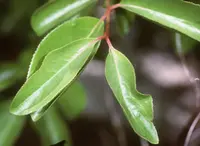
Blackhaw, Viburnum prunifolium, is a deciduous shrub or small tree valued for its sturdy structure and seasonal interest. It typically forms a dense, rounded shape with glossy, dark green leaves that turn rich shades of red and purple in fall.
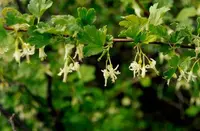
In spring, it produces flat clusters of small white flowers, followed by blue-black berry-like fruits that attract birds. It is native to eastern North America, where it grows in woodlands, thickets, and along forest edges.
The plant is generally considered easy to grow, with good tolerance for cold, moderate drought, and different soil types. Understanding how to care for blackhaw mainly involves providing sun to light shade and soil that drains well but does not stay extremely dry for long periods.

Care Difficulty
Easy Care

Light Preference
Full Sun

Water Requirements
Moderate Water

Temperature Preference
Cold Hardy

Hardiness Zone
3–9

Soil Texture
Loamy, Sandy, Clay

Soil pH
Acidic (5.5–6.5), Slightly acidic (6.5–7.0)

Soil Drainage
Moist but well-drained

Fertilization
Minimal (feed rarely)
Scan your plant to receive care tips personalized for your specific plant
Available on iOS and Android
Viburnum prunifolium grows best with consistent, direct light outdoors to support dense foliage and flowering.
Viburnum prunifolium prefers evenly moist, well-drained soil, especially during its first 2–3 growing seasons.
This hardy shrub tolerates a wide temperature range but performs best in moderate seasonal conditions.
Humidity is rarely limiting for this hardy outdoor shrub.
This shrub prefers moderately moist, structured ground that drains freely yet holds some organic matter.
This species can be grown in large containers for several years if the pot is chosen and managed carefully.
This native shrub grows well in average soil and usually needs only modest feeding for healthy growth.
Pruning helps maintain structure and flowering quality in Viburnum prunifolium without heavy intervention.
This shrub is usually grown in the ground, so focus on thoughtful transplanting rather than frequent repotting.
Viburnum prunifolium is commonly propagated from cuttings, seeds, or simple layering under outdoor conditions.
This species is cold hardy in much of the US and usually needs only minimal winter care once established.

Plant Health Check
Not sure what's wrong with your plant? Check your plant's health inside the app.
In its native range of eastern North America, this shrub often forms dense clonal thickets along woodland edges and fencerows, providing important cover and nesting sites for songbirds and small mammals.
In many climates the creamy white flower clusters appear right as leaves are emerging or just before full leaf-out, making the floral display especially visible to early-season pollinators like native bees and small flies.
The ripe fruits mature to dark blue-black in late summer to fall, are technically drupes rather than berries, and are eaten by birds and wildlife that help disperse the seeds.

Historical records describe the hard, close-grained wood of blackhaw being used for small tool handles and wooden implements, taking advantage of its toughness and resistance to splitting in rural North American communities.
Lack of flowering usually comes from too much shade, heavy pruning at the wrong time, or nutrient imbalance. Avoid cutting branches after early summer, maintain moderate fertility, and ensure at least partial sun for reliable blooms.
Keep your plants happy and healthy with plant identification, disease detection, and easy care guidance.