butternut Care (Juglans cinerea)

Also known as: Butternut Tree, white walnut, oilnut
butternut

About butternut

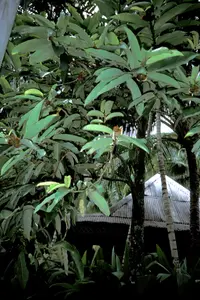
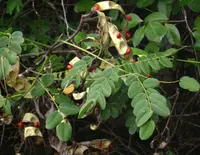
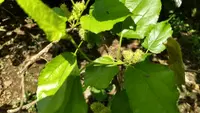
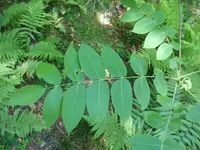
Butternut, Juglans cinerea, is a hardy, deciduous nut tree native to eastern North America. It typically forms a broad, open crown with thick, furrowed gray bark and long, feathered leaves.

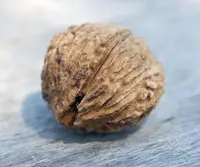
The tree produces sticky, resinous buds and oblong, deeply ridged nuts enclosed in a green husk. It prefers full sun, deep, well-drained soil, and consistent moisture during establishment.

Juglans cinerea grows slowly and can be challenging in warmer or very humid regions due to disease pressure, especially cankers. Gardeners who learn how to care for butternut usually focus on providing good air circulation and avoiding root disturbance.

Main Plant Requirements

Care Difficulty

Moderate Care

Light Preference

Full Sun

Water Requirements

Moderate Water

Temperature Preference

Cold Hardy

Hardiness Zone

3–7

Soil Texture

Loamy, Sandy, Silty

Soil pH

Acidic (5.5–6.5), Slightly acidic (6.5–7.0)

Soil Drainage

Moist but well-drained

Fertilization

Minimal (feed rarely)

Get Personalized Care Plan

Scan your plant to receive care tips personalized for your specific plant

Available on iOS and Android

How to Care for the butternut

Juglans cinerea grows best in open sites with strong, direct light.

  • Provide full sun for 6–8 hours per day; light afternoon shade is acceptable in very hot regions.
  • Plant butternut where it will not be shaded by buildings or taller trees, as prolonged shade reduces nut production and weakens growth.
  • In the first 2–3 years, protect young trees from intense reflected afternoon sun to limit leaf scorch, especially during summer heat waves.

Juglans cinerea prefers consistently moist, well‑drained soil, especially while young.

  • Allow the top 5–8 cm of soil to dry slightly between deep soakings, then water so moisture reaches 20–30 cm deep around the root zone.
  • During the first 3–5 growing seasons, monitor for wilting, dull leaves, or curled leaf edges as signs of drought stress, and increase deep watering in hot, dry spells.
  • Avoid standing water or heavy clay without drainage; yellowing leaves, dieback, or sour soil smell indicate chronic overwatering and poor aeration.

This hardy walnut species is adapted to cold winters and moderate summers.

  • Active growth is strongest at 65–80°F (18–27°C), with good performance in typical temperate spring and summer conditions.
  • Dormant trees tolerate winter lows near -30°F (-34°C), but sudden late frosts after bud break can damage young shoots and reduce nut set.
  • Mature trees handle short heat spells up to about 95°F (35°C) if soil moisture is adequate; prolonged extreme heat with drought increases stress and sunscald risk.

Humidity is not a significant factor for Juglans cinerea, which is adapted to outdoor conditions.

Juglans cinerea grows best in deep, moist, well-drained loam with stable structure.

  • Aim for a loamy soil rich in organic matter, with moderate clay content to retain moisture but still crumble easily by hand.
  • Ensure drainage is steady, not rapid; avoid compacted or waterlogged sites where water stands after rain.
  • Target a slightly acidic to neutral pH of 6.0–7.0; amend very acidic or alkaline soils before planting.
  • Incorporate 20–30% compost plus coarse sand or fine gravel in the top 30–40 cm to improve aeration and root penetration.

This species is generally unsuitable for long-term container growing due to its large size and deep root system.

Juglans cinerea benefits from modest, targeted feeding in lean soils but rarely needs heavy fertilization in fertile ground.

  • Apply a light layer of well-rotted compost or manure in early spring around the root zone, keeping it off the trunk.
  • In poor soils, use a balanced slow-release NPK tree fertilizer once in spring at label-directed rates.
  • Avoid high-nitrogen products that push excessive soft growth and may reduce nut yield or structural strength.
  • Do not fertilize in late summer or fall to prevent tender growth that can be damaged by winter cold.

Juglans cinerea pruning focuses on safety, structure, and removal of unhealthy wood rather than tight shaping.

  • Carry out main pruning in late winter while the tree is dormant and branch structure is visible.
  • Remove dead, diseased, crossing, or storm-damaged branches first to improve air flow and reduce breakage risk.
  • Use clean, sharp bypass pruners or a pruning saw, making cuts just outside the branch collar.
  • Limit major structural cuts on mature trees and consult an arborist for large or high limbs.

Butternut is usually grown in the ground, so transplanting young trees correctly is more important than long-term container care.

  • Transplant in early spring or fall when the tree is dormant and soil is workable, avoiding hot, dry periods.
  • Seedlings or saplings needing more space show roots circling the pot, slow growth, or quick drying soil.
  • Handle the taproot gently, loosening only lightly; set at the same soil depth and backfill with native soil, not rich potting mix.
  • Water deeply after planting, then maintain consistent moisture and a mulch layer to reduce root stress and encourage establishment.

Juglans cinerea is mainly propagated from seed, which requires patience and specific conditions.

  • Collect mature nuts in fall and remove husks, discarding any that float in water tests, as they are often empty.
  • Provide cold stratification by storing cleaned nuts in moist sand or peat at 34–41°F for 90–120 days.
  • Sow stratified seeds outdoors in spring in deep containers or nursery beds to accommodate the strong taproot.
  • Maintain even moisture but not waterlogging, and protect emerging seedlings from rodents and heavy weed competition.

Juglans cinerea is cold hardy in much of its range and established trees usually need minimal winter care.

  • Young or newly transplanted trees benefit from 5–8 cm of organic mulch over the root zone, kept away from the trunk.
  • In very exposed sites, use a breathable trunk wrap on young stems to reduce sunscald and frost cracking.
  • Container-grown specimens in cold regions should be moved to an unheated, sheltered space or heavily insulated outdoors.

Care Tips

Early root training

Install a deep, rigid tree shelter or staking system in the first 2–3 years to encourage a straight leader and strong taproot, and remove or loosen it once the trunk reaches 5–7 cm diameter to avoid girdling.

Blight monitoring routine

Beginning in late spring, inspect leaves and young shoots weekly for dark, water-soaked lesions and dieback, remove and destroy infected material immediately, and clean pruning tools with 70% alcohol between cuts to slow butternut canker spread.

Sanitary leaf management

Rake and remove fallen leaves, husks, and twigs each autumn and during wet periods to reduce overwintering fungal spores and insect pests that are especially problematic when growing butternut in multi-tree plantings.

Trunk and root protection

Keep a 60–90 cm grass-free mulch ring around the trunk, protect the lower stem with a breathable guard against rodents and mechanical damage, and avoid string trimmer or mower contact with the bark.

Wildlife and nut management

Use wire mesh cages or temporary fencing around young trees to limit deer and rodent browsing, and if nut harvest is desired, place ground cloths or short turf under the canopy to make collection faster and reduce nut loss to wildlife.

Common Pests and Diseases

butternut canker

This disease causes sunken, dark cankers on stems and trunk that expand and eventually girdle branches or the whole tree. Symptoms include oozing dark sap, branch dieback, and sparse, chlorotic foliage.

Solution

Prune out infected branches at least 30–40 cm below visible cankers during dry weather and destroy all prunings, then disinfect tools between cuts. Avoid wounding the trunk, maintain tree vigor with proper watering and mulch (not touching the bark), and remove severely infected trees nearby to reduce spore sources.

walnut anthracnose

This disease produces small dark spots on leaves that can enlarge, merge, and lead to premature leaf drop, especially in wet seasons. Symptoms include thinning canopy and reduced nut quality or yield over time.

Solution

Rake and destroy fallen leaves to remove overwintering spores and improve air circulation by thinning competing vegetation around the tree. In high-value plantings, apply a labeled copper or chlorothalonil fungicide at leaf-out and repeat according to label during extended wet periods, focusing on early season protection.

walnut husk maggot

These insects are fly larvae that tunnel inside the nut husk, turning it black and slimy. Symptoms include sticky, stained husks that cling to shells and can stain hands and equipment during harvest.

Solution

Collect and destroy infested nuts and fallen husks promptly to interrupt the life cycle, and avoid leaving cull piles near trees. For recurring problems in managed orchards, use yellow sticky traps to monitor adult flies and time a labeled spinosad or other targeted spray just before peak egg laying, following local extension guidance for growing butternut.

fall webworm

These insects create loose webbed nests at branch tips and feed on foliage inside the web, usually later in the season. Symptoms include unsightly webs and localized defoliation, though healthy trees often tolerate moderate damage.

Solution

Prune out and destroy small webs with the caterpillars inside, or tear open webs with a pole or strong spray of water to expose caterpillars to predators. Avoid broad-spectrum insecticides that kill beneficial insects; if needed on young or stressed trees, use a Bacillus thuringiensis (Bt) product when caterpillars are small.

walnut caterpillars

These insects feed in groups on leaves, often stripping individual branches and leaving clusters of shed skins on twigs. Symptoms include sudden localized defoliation, especially on lower or mid canopy branches.

Solution

Handpick and destroy caterpillar clusters on small trees and crush or remove masses of shed skins where they gather. Encourage natural predators and, in heavier infestations, spot-treat affected branches with a Bt-based product while caterpillars are still small and actively feeding.

Interesting Facts

Unique sticky husks

The nuts develop in thick, sticky green husks that exude a resinous substance, which can stain skin and clothing and may deter some insect herbivores.

Highly cold-adapted tree

This species is native to the colder regions of eastern North America and tolerates harsh winters, often found on cool, moist sites along streams and in mountain valleys.

Genetic vulnerability to canker

Butternut canker, caused by the fungus Ophiognomonia clavigignenti-juglandacearum, has devastated natural populations, and many remaining trees show genetic traits of natural resistance that are being studied for conservation-focused Juglans cinerea plant care.

Botan icon

Did you know?

Juglans cinerea produces edible, oil-rich nuts with deeply corrugated shells that were historically prized by Indigenous peoples and early European settlers as a high-energy food source and flavoring, even though the tree is now much less common in the wild due to disease losses.

FAQs about butternut

This species grows moderately fast when young, often adding 30–60 cm in height per year under good conditions. Growth slows with age. Adequate moisture, deep soil, and space for roots significantly improve vigor and trunk development.

Grow Healthy Plants with Botan Care

Keep your plants happy and healthy with plant identification, disease detection, and easy care guidance.

Botan plant care app — identify plants on mobile

Explore More Plants