Windbreak planning
In open or coastal sites, plant mabolo behind a solid fence or hedge to reduce strong winds that can snap young branches and cause fruit drop.

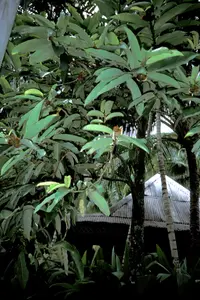
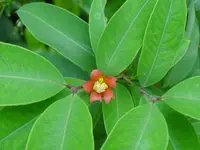
Mabolo, or Diospyros blancoi, is a tropical evergreen fruit tree from the Philippines and parts of Southeast Asia. It is related to persimmon and has dense, glossy foliage. The tree forms a rounded crown and produces velvety, reddish-brown fruits with soft, creamy flesh and a strong aroma. In suitable climates it is grown both as a fruit tree and an ornamental. Mabolo prefers warm, humid conditions, consistent moisture, and well-drained, slightly acidic soil. Gardeners who understand how to care for mabolo usually find it moderate in difficulty, mainly because it dislikes cold and extended drought.

Care Difficulty
Moderate Care

Light Preference
Full Sun

Water Requirements
Moderate Water

Temperature Preference
Tropical / Frost Sensitive

Hardiness Zone
11–12

Soil Texture
Loamy, Sandy, Organic-rich

Soil pH
Acidic (5.5–6.5), Slightly acidic (6.5–7.0)

Soil Drainage
Moist but well-drained

Fertilization
Minimal (feed rarely)
Scan your plant to receive care tips personalized for your specific plant
Available on iOS and Android
Diospyros blancoi benefits from bright, warm conditions that mimic its tropical origin.
This species prefers evenly moist, well-drained soil and does not respond well to extremes in watering.
This tropical fruit tree needs consistently warm conditions and is very sensitive to frost.
This species prefers moderate humidity but usually adapts well to standard indoor levels.
This species prefers deep, well-aerated, moisture-retentive but free-draining soil.
This tree can be grown in large containers for many years if root space and stability are well managed.
Diospyros blancoi benefits from moderate, targeted feeding to support steady growth and fruiting.
Pruning Diospyros blancoi focuses on maintaining a strong framework and safe, manageable size.
This species is usually grown in the ground, so care focuses on thoughtful transplanting rather than frequent repotting.
Diospyros blancoi is typically propagated by seed or grafting and is considered somewhat slow and technical for home growers.
This tropical fruit tree is sensitive to frost and needs protection in climates with cool winters.

Plant Health Check
Not sure what's wrong with your plant? Check your plant's health inside the app.
The mabolo fruit has a dense, velvety skin with a strong cheese-like odor when ripe, while the inner flesh is pale, firm, and mild in flavor, traditionally eaten fresh or cooked in parts of the Philippines and Taiwan.
Its wood is hard, heavy, and fine-grained, closely related to ebony, and has been valued locally for high-quality furniture, tool handles, and small carved objects.
This species forms a slow-growing but long-lived evergreen tree with a dense, rounded crown, often used as a shade and ornamental tree in tropical gardens and along streets in Southeast Asia and some Pacific regions.

Mabolo is considered a culturally significant fruit tree in the Philippines, where it is native and has been traditionally cultivated, and it was once proposed as a national fruit candidate due to its strong association with Filipino heritage.
Yes, this tree can be container-grown when young or kept somewhat compact with regular pruning and root pruning. Use a large, deep pot, rich well-drained soil, and steady warmth to support long-term Diospyros blancoi plant care.
Keep your plants happy and healthy with plant identification, disease detection, and easy care guidance.