jujube Care (Ziziphus nummularia)

Also known as: Ber
jujube

About jujube

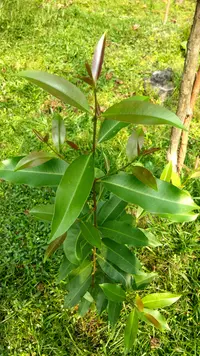
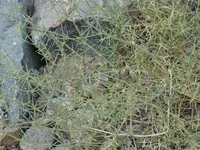
Ziziphus nummularia, often called wild jujube, is a tough, thorny shrub or small tree known for its small round leaves and dense, tangled branches. It typically grows in dry, open habitats and scrublands.

This species is native to arid and semi-arid regions of South Asia and the Middle East, where it copes well with heat, drought, and poor soils. Its strong root system and drought tolerance make it suitable for low-maintenance landscapes.

Gardeners who care for jujube usually find it easier in full sun, with well-drained soil and only moderate watering once established. Its rugged nature makes it more forgiving than many fruiting shrubs, provided the site is bright and not waterlogged.

Main Plant Requirements

Care Difficulty

Easy Care

Light Preference

Full Sun

Water Requirements

Low Water

Temperature Preference

Warm Climate

Hardiness Zone

9–11

Soil Texture

Sandy, Loamy, Rocky

Soil pH

Neutral (7.0), Slightly alkaline (7.0–7.5)

Soil Drainage

Well-drained

Fertilization

Minimal (feed rarely)

Get Personalized Care Plan

Scan your plant to receive care tips personalized for your specific plant

Available on iOS and Android

How to Care for the jujube

This drought-hardy shrub thrives in strong sun and copes well with arid landscapes.

  • Provide 6–10 hours of direct sun daily; full sun exposure supports dense growth and fruiting in jujube hedges.
  • Allow light afternoon shade in very hot regions to reduce leaf scorch and moisture loss, especially on young plants.
  • In winter, unobstructed sun is helpful, but in summer avoid reflective heat from walls or paving that can overheat roots.

This species is highly drought tolerant and prefers infrequent, deep watering once established.

  • Irrigate only when the top 5–8 cm of soil are completely dry; the plant should not sit in standing water at any time.
  • In the first 1–2 years, water deeply but allow soil to dry between events; mature Ziziphus nummularia in the ground may need water only during long dry spells.
  • Watch leaves: yellowing, soft foliage suggests overwatering and poor drainage, while crisp browning tips and early leaf drop indicate underwatering.

This shrub is adapted to hot, dry climates but has good cold tolerance once established.

  • Optimal growth occurs around 75–95°F (24–35°C), with strong heat tolerance up to about 105°F (40°C) if soil drains well.
  • Dormant plants can survive brief drops near 15–20°F (-9 to -6°C), but young shrubs are safer above 25°F (-4°C).
  • Provide the warmest, sunniest site in cooler regions, and use windbreaks where possible to reduce frost damage to new shoots in late spring.

This species tolerates low humidity and does not need special moisture in the air.

This shrub prefers lean, well-drained, often sandy soils and tolerates poor, dry sites.

  • Use a gritty mix such as 50–70% coarse sand or fine gravel blended with a smaller portion of loam and a little compost.
  • Aim for slightly alkaline to neutral pH, roughly 7.0–8.0, avoiding strongly acidic substrates.
  • Ensure very rapid drainage by using raised beds or mounded planting areas in heavier soils.
  • Avoid compacted, waterlogged, or high-clay soils; incorporate coarse sand or small gravel to improve aeration and prevent root decline.

This species can be grown in containers, mainly for young plants or where garden space is limited.

  • Select a deep, heavy container that resists tipping as the woody top growth becomes dense and potentially top-heavy.
  • Use an extra-fast-draining, sandy mix so excess water moves away quickly from the root zone.
  • Place the pot where strong winds are buffered, since the branchy crown can act as a sail and stress container stability.

This drought-hardy shrub needs only modest feeding to stay healthy in most soils.

  • Use a light application of well-rotted compost or a balanced granular fertilizer (around 10-10-10) in early spring as new growth starts.
  • Apply slow-release fertilizer once per year for poor, sandy sites where jujube growth appears weak or pale.
  • Keep fertilizer 10–15 cm away from the stem and water in well to reduce root burn risk.
  • Avoid feeding in late summer or winter to prevent soft, cold-sensitive growth.

Pruning helps Ziziphus nummularia maintain a strong, open framework and manageable size.

  • Carry out main pruning in late winter or very early spring while the plant is dormant.
  • Remove dead, diseased, or crossing branches first, then thin overcrowded interior shoots for better light and airflow.
  • Shorten overly long or leggy stems to shape the canopy and encourage denser side branching.
  • Use sharp bypass pruners or loppers, making clean cuts just above a bud or side branch.

This species is usually grown in the ground, so management focuses on careful transplanting rather than frequent repotting.

  • Transplant young plants in late winter or early spring, before active growth, to reduce stress.
  • Look for roots circling the pot, water draining very quickly, or stalled growth as signs a container plant needs a larger pot or ground planting.
  • Move up only 1–2 pot sizes or set in a prepared ground hole with well-drained soil and no standing water.
  • Water thoroughly after planting, then shade lightly for 7–10 days to limit transplant shock while roots re-establish.

New Ziziphus nummularia plants are most often raised from seed or semi-hardwood cuttings.

  • Collect ripe seeds in late summer, then scarify the hard coat lightly and sow in a free-draining, sandy mix.
  • Provide warm conditions around 70–80°F and consistent, light moisture to support germination.
  • Take semi-hardwood cuttings in late spring or early summer, using pencil-thick shoots with 2–3 nodes.
  • Dip the cut base in rooting hormone, insert into a coarse, well-aerated medium, and maintain high humidity with bright, indirect light.

Mature plants show good tolerance to dry, light frost but young specimens benefit from simple winter protection in colder regions.

  • Mulch around the root zone with 5–8 cm of coarse organic material, keeping it slightly away from the stem.
  • In areas below about 20°F, wrap young stems with breathable fabric or burlap to limit freeze damage.
  • Move container-grown plants to a sheltered, unheated but frost-free area, and water sparingly to keep roots just barely moist.

Care Tips

Rootstock selection

When planting multiple shrubs for windbreaks or hedges, choose uniform, drought-tolerant rootstocks from reputable nurseries so plants establish evenly and compete better with surrounding vegetation.

Drip ring layout

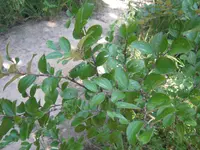
Install a simple drip line or soaker hose in a ring just beyond the canopy edge so new feeder roots are encouraged to spread outward, improving drought resilience and anchoring the plant more securely in loose soils.

Thorn-safe handling

Use thick leather gloves and long sleeves when pruning or harvesting, and keep a dedicated, long-handled pruning tool for this shrub to reduce the risk of injury from dense thorns.

Windbreak shaping

In exposed sites, trim back only the windward side lightly and leave the leeward side fuller so the shrub forms a staggered, porous windbreak that reduces wind speed without creating damaging turbulence.

Targeted sucker control

Cut unwanted basal suckers at soil level several times per season and mulch a narrow ring around the main stem to make it easier to see and manage new shoots while still allowing selected suckers to grow into replacement stems if desired.

Common Pests and Diseases

Leaf folder caterpillars

This pest rolls or folds young leaves and feeds from inside, leading to distorted, skeletonized foliage and reduced growth. Symptoms include webbed leaf clusters and green or brown caterpillars hiding within the folds.

Solution

Prune and destroy folded, infested shoots to remove larvae, then monitor new flushes of growth closely. For heavier outbreaks on Ziziphus nummularia plant care in orchards or hedgerows, use targeted biological insecticides containing Bacillus thuringiensis (Bt) in the evening and encourage natural predators by avoiding broad-spectrum chemicals.

Fruit fly infestation

These insects lay eggs in developing fruits, where maggots feed inside and cause internal rotting, premature fruit drop, and small puncture marks on the skin. Symptoms include soft, discolored fruits with tunnels or larvae when cut open.

Solution

Collect and destroy infested and fallen fruits promptly to break the life cycle, and use baited traps or pheromone lures around the planting area to reduce adult populations. Where infestations are persistent, cover developing fruit clusters with fine mesh bags and maintain good orchard hygiene to limit breeding sites.

Powdery mildew

This disease produces white, powdery growth on young leaves, shoots, and sometimes fruits, especially during warm, dry conditions with high humidity at night. Symptoms include curling or yellowing leaves and reduced vigor in heavily affected plants.

Solution

Remove and dispose of heavily infected shoots, then improve air circulation by avoiding dense, tangled growth and overhead watering late in the day. In repeated problem areas, apply a preventive sulfur-based or potassium bicarbonate fungicide at the start of new growth, following label directions and avoiding treatment during very hot weather.

Leaf spot

This disease causes small brown to dark spots on leaves that may merge into larger blotches, sometimes with a yellow halo, leading to early leaf drop under severe pressure. Symptoms include thinning foliage and reduced plant vigor, especially on stressed shrubs.

Solution

Rake and remove fallen leaves, prune out crowded interior branches, and avoid wetting the foliage when irrigating. In areas with recurring issues, apply a copper-based fungicide at the beginning of the rainy or humid period and repeat as directed, focusing treatments on new foliage.

Scale insects

These insects appear as small, immobile bumps on stems and leaf undersides, sucking sap and excreting honeydew that can lead to sooty mold growth. Symptoms include yellowing leaves, weakened shoots, and sticky deposits on foliage or nearby surfaces.

Solution

Scrub lightly infested stems with a soft brush dipped in mild soapy water and prune out heavily encrusted twigs. For larger plantings, introduce or conserve natural predators such as lady beetles and parasitic wasps, and, if needed, apply horticultural oil during the crawler stage, coating stems and leaf undersides thoroughly.

Interesting Facts

Desert hedge specialist

This species naturally forms dense, thorny thickets on dry, sandy or gravelly soils in arid regions of South Asia and is widely used as a living fence to protect crops and property from grazing animals.

Extreme drought tolerance

Its small, round leaves and deep, wide‑spreading root system help it survive very low rainfall and high temperatures, making it a key shrub in desert and semi‑desert rangelands.

Key forage resource

Despite its spines, it is an important browse plant for goats, sheep, and camels in dry landscapes, providing green fodder when many other plants have already dried out.

Botan icon

Did you know?

This shrub plays a central role in sand dune stabilization in parts of India and Pakistan, where its extensive root system helps anchor shifting sands and slow desertification over large areas.

FAQs about jujube

This species often forms suckers from its roots and can spread into dense thickets, especially in dry, open sites. In some warm regions it is considered invasive, so regular removal of unwanted shoots is important.

Grow Healthy Plants with Botan Care

Keep your plants happy and healthy with plant identification, disease detection, and easy care guidance.


Botan plant care app — identify plants on mobile

Explore More Plants