Coral Creeper Care (Barleria repens)

Coral Creeper

About Coral Creeper

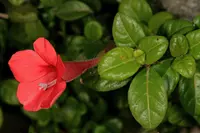
Coral creeper, Barleria repens, is a low, scrambling shrub often grown as a groundcover or trailing plant in warm climates. It forms dense mats of small, glossy green leaves.

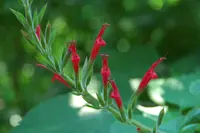
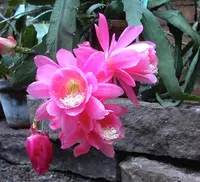
The plant produces tubular pink to coral-red flowers that attract butterflies and add soft color over a long blooming period. It is native to parts of tropical and subtropical Africa and has adapted well in similar climates elsewhere.

Barleria repens grows quickly and can spread, but it is generally easy to manage with light pruning. It prefers bright light, moderately moist but well-drained soil, and responds well when you learn how to care for Coral Creeper.

Main Plant Requirements

Care Difficulty

Easy Care

Light Preference

Full Sun

Water Requirements

Moderate Water

Temperature Preference

Tropical / Frost Sensitive

Hardiness Zone

9–11

Soil Texture

Sandy, Loamy, Organic-rich

Soil pH

Acidic (5.5–6.5), Slightly acidic (6.5–7.0)

Soil Drainage

Moist but well-drained

Fertilization

Light (every 4–6 weeks)

Get Personalized Care Plan

Scan your plant to receive care tips personalized for your specific plant

Available on iOS and Android

How to Care for the Coral Creeper

This sun-loving groundcover thrives in warm, bright conditions with some protection from harsh extremes.

  • Provide 4–6 hours of direct morning sun with light afternoon shade; bright, filtered light suits Coral Creeper in hotter regions.
  • In hot climates, protect from intense sun between 11 a.m.–3 p.m. to reduce leaf scorch and fading flowers.
  • If stems stretch or flowering declines, the plant is not getting enough light; move it to a brighter, but still sheltered, position.

This shallow-rooted shrub prefers evenly moist, well-drained soil rather than constant wetness.

  • Water when the top 2–4 cm of soil feels dry, soaking the root zone and allowing excess to drain away fully.
  • Reduce watering in cooler months, but do not let the soil dry out completely for long periods, especially on sandy sites.
  • Yellowing, soft leaves and a sour smell indicate overwatering, while crisp leaf edges and limp stems signal the need for deeper watering.

This subtropical shrub grows best in warm, frost-free conditions with only mild temperature swings.

  • Ideal growth occurs around 65–85°F (18–29°C), where foliage stays dense and flowering is more consistent.
  • The plant tolerates brief drops to about 30–32°F (-1–0°C) but frost can burn leaves; repeated freezes may kill stems to the ground.
  • In hot areas above 95°F (35°C), provide mulch and light afternoon shade to protect roots and reduce heat stress on foliage.

This species prefers moderate humidity but usually adapts well to typical indoor levels.

  • Aim for 40–60% humidity to keep foliage dense and reduce leaf-edge browning on Coral Creeper.
  • Dry air may cause curled, crispy leaf tips and slower growth, especially near heating or strong airflow sources.
  • Increase humidity locally with a nearby pebble tray or grouped plants rather than misting, which offers only brief moisture.

Barleria repens grows best in loose, well-drained, slightly moist soil that does not stay waterlogged.

  • Use a light loam or potting mix with 30–40% coarse material such as perlite or pumice to improve drainage and aeration.
  • Aim for a slightly acidic to neutral pH around 6.0–7.0, which supports nutrient uptake and root health.
  • Incorporate a small amount of compost or fine bark to add organic matter without making the mix heavy or compacted.
  • Avoid dense clay soils or mixes high in peat that stay wet for long periods, as this encourages root rot and weak growth.

This species is well suited to container growing, especially for patio or balcony use.

  • Choose a wide, shallow to medium-depth pot to accommodate its spreading root system and trailing shoots without crowding.
  • Use a container material that matches your climate, such as heavier ceramic to keep outdoor roots cooler in hot summers.
  • Secure low, trailing stems by allowing them to cascade over the rim, which also helps distribute weight and prevent the pot from tipping.

Barleria repens benefits from light, consistent feeding to support compact growth and flowering.

  • Use a balanced liquid fertilizer (around 10-10-10 or 20-20-20) at 1/2 strength for Coral Creeper in containers.
  • Feed every 4–6 weeks during spring and summer when growth is active.
  • Apply a thin layer of compost or a mild slow-release fertilizer outdoors at the start of the growing season.
  • Reduce feeding to 1 light application or none in winter, depending on growth and indoor warmth.

Barleria repens responds well to thoughtful pruning that maintains shape and encourages dense, flowering growth.

  • Carry out main pruning in late winter or early spring before strong new growth starts.
  • Remove dead, damaged, or crossing stems first, then shorten overly long shoots to maintain a low, bushy form.
  • Tip-trim young shoots by 2–5 cm to stimulate branching and more flower buds.
  • Use clean, sharp hand pruners and make cuts just above a leaf node to reduce dieback.

This species tolerates both containers and ground planting but dislikes severe root disturbance when mature.

  • Plan repotting or transplanting in spring when active growth helps recovery.
  • Check for roots circling the pot, slowed growth, or frequent drying as signs a container plant needs a larger pot every 2–3 years.
  • Move up only 1 pot size, keep the root ball largely intact, and backfill with well-drained mix at the same planting depth.
  • Water thoroughly after moving, then keep soil evenly moist and shaded from strong sun for 3–7 days to limit stress.

Barleria repens is most commonly multiplied from stem cuttings for uniform plants.

  • Take 7–10 cm semi-ripe tip cuttings in late spring or summer from healthy, non-flowering shoots.
  • Strip lower leaves, optionally dip the cut end in rooting hormone, and insert into a moist, free-draining mix.
  • Maintain bright, indirect light, high humidity, and temperatures around 70–80°F until roots form in 3–6 weeks.
  • Seeds can be sown in warm conditions but may give more variable growth and flower traits than cuttings.

In mild, frost-free climates this plant needs minimal winter attention, but colder regions require some protection.

  • Treat it as hardy only in warm zones; light frost can damage foliage and young stems.
  • Mulch the root zone with 5–8 cm of organic material in late fall to buffer soil temperature.
  • In frost-prone areas, grow in containers and move indoors or into a bright, frost-free space for winter.

Care Tips

Controlled groundcover spread

Edge beds with a spade or shallow root barrier once or twice a year to stop stems from rooting too far and to keep this plant acting as a neat groundcover instead of an invasive spreader.

Low hedge training

For a tidy border, lightly pinch back soft tips every 3–4 weeks during active growth to encourage dense branching and a compact, hedge-like form rather than long, scrambling shoots.

Flowering flush renewal

After a heavy flowering flush, shear back the top 3–5 cm of growth and remove old spent stems to trigger a new wave of blooms and maintain a fresh carpet of foliage when growing Coral Creeper.

Container cascading shape

In hanging baskets or raised containers, guide young stems over the rim and loosely anchor them with soft ties for a few weeks so they trail evenly instead of bunching in one direction.

Quick pest scouting

During warm, dry spells, inspect the undersides of leaves and soft shoot tips weekly for early signs of spider mites or whiteflies and hose down foliage or treat promptly if any pests are seen.

Common Pests and Diseases

Aphids

These insects cluster on soft new growth and underside of leaves, sucking sap and causing curling, distortion, and sticky honeydew deposits that can attract sooty mold.

Solution

Rinse shoots thoroughly with a strong but controlled stream of water, then spot-treat remaining colonies with insecticidal soap or a light horticultural oil, repeating every 5–7 days until populations drop. Encourage lady beetles and lacewings outdoors, and avoid high-nitrogen fertilizer that drives very soft, aphid-prone growth when growing Coral Creeper.

Red spider mites

This pest thrives on Barleria repens in hot, dry conditions, causing fine webbing, pale stippling on leaves, and eventual bronzing or drop of foliage.

Solution

Increase humidity around the plant, then hose down foliage on both sides to remove mites and webs, and apply a miticide or horticultural oil labeled for spider mites every 5–10 days for several cycles. Reduce heat stress, avoid letting the soil stay bone-dry, and prune heavily infested stems to limit reinfestation.

Whiteflies

These insects are small, white, and fly up in a cloud when the plant is disturbed, while nymphs on leaf undersides weaken the plant and produce honeydew that can lead to sooty mold.

Solution

Vacuum or shake adults off plants in the early morning, then use yellow sticky traps to monitor populations and apply insecticidal soap or neem oil thoroughly to leaf undersides, repeating weekly until numbers decline. Remove heavily infested leaves and reduce overcrowding in beds or containers to improve air movement.

Cercospora leaf spot

This disease causes small brown to purplish leaf spots that may enlarge and coalesce, leading to premature yellowing and leaf drop, especially in dense, damp plantings.

Solution

Prune to open the canopy, avoid overhead watering, and promptly remove and dispose of spotted leaves to lower the source of spores. In persistent or severe cases, use a copper-based or chlorothalonil fungicide labeled for ornamental shrubs, applied according to label intervals during wet, warm periods.

Powdery mildew

This disease appears as white to gray powdery patches on leaves and young stems, which can lead to leaf distortion, reduced flowering, and general decline in vigor under shaded, stagnant conditions.

Solution

Improve light and airflow by thinning crowded stems and spacing plants properly, and water at soil level rather than on foliage. If needed, apply a sulfur or potassium bicarbonate fungicide labeled for ornamentals at the first sign of infection, repeating at recommended intervals until new growth emerges clean.

Interesting Facts

Creeping growth habit

This species naturally forms a low, mat-like groundcover with slender stems that root at the nodes as they spread, allowing it to quickly blanket exposed soil in warm climates.

Shade-tolerant flowering

Unlike many sun-loving Barleria species, it is able to produce coral to reddish flowers even in bright shade or dappled light, which makes it useful for underplanting in subtropical gardens.

Attraction for pollinators

Its tubular flowers are adapted for small pollinators and are visited by insects such as bees in its native and introduced ranges, contributing nectar resources in low shrub and ground layers.

FAQs about Coral Creeper

This species spreads by creeping stems that root where they touch soil, forming a dense mat. In warm climates it can become quite vigorous, so use edging, regular pruning, and confined beds to prevent unwanted spread.

Grow Healthy Plants with Botan Care

Keep your plants happy and healthy with plant identification, disease detection, and easy care guidance.

Botan plant care app — identify plants on mobile

Explore More Plants