Zygophyllum bruguieri Care

Zygophyllum bruguieri

About Zygophyllum bruguieri

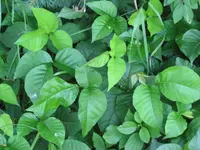
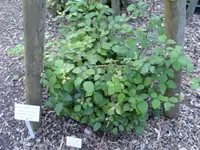
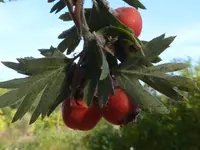
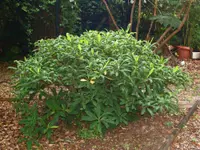
Zygophyllum bruguieri is a small, shrubby succulent from dry desert and semi-desert regions of North Africa and the Middle East. It has fleshy, paired leaflets and a compact, branching habit. Small, often yellowish flowers appear close to the stems, followed by capsule-like fruits typical for the Zygophyllum genus. This species is adapted to intense sun, heat, and poor, rocky or sandy soils, which makes it drought tolerant but sensitive to overwatering. In cultivation, it suits arid gardens and specialized collections rather than casual indoor displays. Understanding how to care for Zygophyllum bruguieri starts with replicating its bright light and very free-draining conditions.

Main Plant Requirements

Care Difficulty

Moderate Care

Light Preference

Full Sun

Water Requirements

Low Water

Temperature Preference

Warm Climate

Hardiness Zone

9–11

Soil Texture

Sandy, Loamy, Rocky

Soil pH

Neutral (7.0), Slightly alkaline (7.0–7.5)

Soil Drainage

Well-drained

Fertilization

Minimal (feed rarely)

Get Personalized Care Plan

Scan your plant to receive care tips personalized for your specific plant

Available on iOS and Android

How to Care for the Zygophyllum bruguieri

This desert shrub prefers strong sun but benefits from some protection in extreme heat.

  • Provide 6–8 hours of direct sun daily, ideally with morning sun and light afternoon shade in very hot climates to prevent leaf scorch.
  • Plant in an open, unshaded position; Zygophyllum bruguieri tolerates brief partial shade but becomes sparse and leggy in less than 4 hours of sun.
  • In summer, monitor for pale, crispy leaves as a sign of excessive exposure; in winter, ensure no permanent shade from nearby structures.

This drought-adapted species needs infrequent, deep watering and fast-draining soil.

  • Water only when the top 5–8 cm of soil are completely dry; in arid, hot weather this may mean roughly every 10–21 days, depending on soil and exposure.
  • Use sandy or gravelly soil with excellent drainage so water drains within a few seconds, reducing root rot risk in Zygophyllum bruguieri.
  • Watch for shriveling leaves and fine twig dieback as underwatering signs, and yellowing, soft tissue or musty soil smell as overwatering indicators.

This plant thrives in hot, arid conditions and has low tolerance to prolonged cold and frost.

  • Aim for 70–90°F (21–32°C) during active growth; it remains comfortable up to about 100°F (38°C) if soil drains well and roots are not waterlogged.
  • Protect from frost; brief dips to 28–32°F (-2–0°C) may be survived, but repeated freezing damages stems and can kill young plants.
  • In cooler regions, choose the warmest, most sheltered microclimate and avoid low spots where cold air collects in autumn and winter.

This desert shrub tolerates very dry air, so humidity control is usually unnecessary.

  • Best growth occurs at 20–40% relative humidity, similar to arid outdoor conditions.
  • Leaves shriveling or soft black patches usually indicate excess moisture in air and substrate rather than low humidity.
  • Prioritize airflow and avoid enclosed, steamy locations; do not use pebble trays or humidifiers around this species.

Soil for Zygophyllum bruguieri must be very free-draining and low in organic matter to prevent root rot.

  • Use a gritty, sandy mix such as 60–70% coarse sand or fine gravel with 30–40% mineral potting substrate or cactus mix.
  • Maintain a slightly alkaline to neutral pH around 7.0–8.0 by avoiding acidic peat-based mixes and using calcareous grit if available.
  • Improve drainage and aeration by incorporating mineral components like pumice or perlite rather than moisture-retentive compost.
  • Avoid compacted, clay-heavy, or waterlogged soils, which quickly suffocate roots and encourage fungal problems.

This species suits container growing when the pot is adapted to its deep, drought-tolerant root system.

  • Choose a pot deeper than it is wide to accommodate the taproot and reduce tipping in windy sites.
  • Select a heavy clay or ceramic container in exposed locations to stabilize the plant’s woody, spreading canopy.
  • Ensure rapid runoff by combining multiple drainage holes with a thick lower layer of coarse grit or gravel.

This desert shrub has low nutrient demand, so Zygophyllum bruguieri benefits only from light, infrequent feeding in poor soils or containers.

  • Use a balanced, low-salt fertilizer (for example 10-10-10) or a very thin layer of well-rotted compost in spring.
  • Apply at most once at the start of the growing season for in-ground plants, 1–2 times for container plants.
  • Dilute liquid feeds to 25–50% of the label rate to avoid root burn in this low-demand species.
  • Skip feeding in fall and winter when growth slows or stops to prevent weak, elongated shoots.

Pruning is mainly used to maintain shape and remove damaged material on Zygophyllum bruguieri rather than to drive heavy regrowth.

  • Carry out light pruning in late winter or very early spring before active growth begins.
  • Remove dead, diseased, or crossing stems first, then thin crowded interior shoots to improve air flow.
  • Use clean, sharp hand pruners and make cuts just above a node or small side branch to limit dieback.
  • Avoid hard cutting into old woody stems; maintain the natural, open form with restrained, selective cuts.

This species is usually grown in the ground, so focus on careful transplanting rather than frequent repotting.

  • Transplant in late winter to early spring when conditions are cool and the plant is just starting new growth.
  • Look for signs like slow growth, roots circling a container, or plants outgrowing their space before moving them.
  • Lift with as much root ball and surrounding soil as possible, disturbing roots minimally to reduce stress.
  • Replant into very free-draining, gritty soil at the same depth, water once to settle soil, then allow the surface to dry.

Propagation of Zygophyllum bruguieri is typically done by seeds or semi-ripe stem cuttings under warm, dry-leaning conditions.

  • Sow fresh seeds in spring in a gritty, sharply draining mix kept barely moist and warm (70–80°F).
  • For cuttings, take semi-ripe tips in late spring to summer and remove most lower leaves.
  • Dip cut ends in a rooting hormone, then insert into a coarse, fast-draining medium such as sand and perlite.
  • Provide bright, indirect light, good air movement, and only light misting to avoid rotting while roots form.

This drought-adapted shrub is best suited to mild, frost-free climates and benefits from simple winter safeguards in colder areas.

  • In regions with light frost, add a 5–8 cm layer of dry, coarse mulch around the root zone, keeping it off the stems.
  • Avoid winter waterlogging by ensuring very sharp drainage; soggy soil in cold weather increases root loss.
  • In containers, move plants under cover or indoors to a bright, cold but frost-free spot, reducing watering significantly.

Care Tips

Summer rainfall protection

In regions with summer rain, place the plant under a rain shelter or eaves so the potting mix does not stay wet for more than 24 hours, which closely mimics its native arid conditions and reduces root rot risk.

Deep container selection

Use a relatively deep, narrow pot rather than a wide shallow one so the taproot can grow straight down, which stabilizes the plant and improves drought resilience.

Inert top dressing

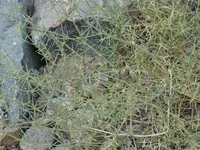
Add a 1–2 cm layer of coarse mineral grit or small stones on the soil surface to keep the stem base dry, limit algae and moss growth, and reduce evaporation spikes between waterings.

Cool-season growth check

Monitor for new shoots and slightly thicker stems in the cooler, brighter months, and use this as the main window for any repotting or propagation so the plant can recover quickly.

Salt and mineral management

Every 2–3 months, flush the pot thoroughly with clean water until it drains freely to reduce accumulated salts from hard water or fertilizer, which is particularly important when caring for Zygophyllum bruguieri in containers.

Common Pests and Diseases

Leaf-miner larvae

This pest creates winding, pale tunnels inside the succulent leaf tissue, which can cause thinning and localized collapse of the blade. Symptoms include distorted leaves with visible mines and small exit holes.

Solution

Remove and destroy mined leaves as soon as they are seen to break the insect life cycle, and avoid overhead irrigation that keeps foliage wet for long periods. In outdoor plantings, encourage natural predators by avoiding broad-spectrum insecticides; in small collections, affected plants can be isolated and treated with a targeted systemic insecticide labeled for leaf miners if damage becomes extensive.

Sap-sucking scale

These insects attach tightly to stems and leaf bases, feeding on sap and causing yellowing, reduced vigor, and occasional sooty mold growth from their honeydew. This pest is favored by dry, stagnant air and plants under drought stress or excess shade.

Solution

Gently scrape off or wipe individual scale insects with a cotton swab dipped in alcohol, then improve light and air movement around the plant. For heavier infestations, apply a light horticultural oil spray during cooler parts of the day, repeating according to label directions while monitoring new growth for reinfestation as part of Zygophyllum bruguieri care instructions.

Stem canker

This disease produces sunken, dark lesions on older stems, sometimes girdling branches and leading to dieback of distal shoots. Symptoms include cracked tissue and occasional oozing or corky scars at former wound sites.

Solution

Cut out affected stems several centimeters below visible damage with sterilized tools, then discard the prunings away from healthy plants. Reduce plant stress by avoiding mechanical injury, allow soil to dry well between waterings, and maintain good air circulation; where cankers spread repeatedly, consider using a copper-based fungicide on pruning cuts and nearby tissue according to label guidance.

Powdery leaf spot

This disease appears as pale, slightly powdery spots or patches on older leaves, which can coalesce and cause premature leaf drop in humid but not overly wet conditions. Symptoms include dull, roughened areas that contrast with healthy, glaucous leaf surfaces.

Solution

Increase spacing and airflow around plants, avoiding overhead watering that prolongs leaf wetness, and promptly remove heavily spotted leaves. If conditions remain favorable for disease, apply a sulfur or potassium bicarbonate fungicide labeled for powdery mildews, focusing on the upper leaf surfaces and repeating at recommended intervals until new growth stays clean.

Interesting Facts

Desert salt specialist

This species is native to arid, often saline habitats in North Africa and the Middle East, where it tolerates soils that are too salty for many other plants. Its fleshy, somewhat succulent leaves help dilute internal salt concentrations and reduce water loss.

Jointed, winged fruits

The plant produces distinctive segmented, winged fruits that break apart at the joints when mature. These dry, winged segments aid in seed dispersal by wind and movement across the soil surface.

Role in fragile habitats

In its natural range, this shrub contributes to stabilizing poor, sandy or stony soils and supports desert food webs by offering shelter to invertebrates and small animals. It is part of the sparse but resilient vegetation that helps protect against erosion in harsh steppe and semi-desert ecosystems.

FAQs about Zygophyllum bruguieri

This species performs best outdoors in hot, dry, very bright conditions that mimic its desert habitat. Indoors it often becomes weak and sparse unless placed in maximum light, so Zygophyllum bruguieri indoor care is generally challenging and limited.

Grow Healthy Plants with Botan Care

Keep your plants happy and healthy with plant identification, disease detection, and easy care guidance.

Botan plant care app — identify plants on mobile

Explore More Plants