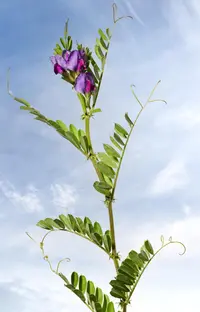
poison ivy Care (Toxicodendron radicans)

Also known as: eastern poison ivy, climbing poison ivy, Sister Ivy
poison ivy

About poison ivy

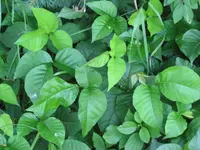
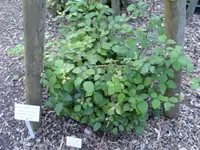
Poison ivy, Toxicodendron radicans, is a woody vine or low shrub known for its clusters of three leaflets that change from green to red with the seasons. It often climbs trees, fences, or rocks using aerial roots and can spread to form dense groundcover.

This species is native to much of North America and thrives in edges of forests, roadsides, and disturbed sites. It is generally vigorous and not difficult to grow, which is important to consider if you care for poison ivy intentionally for habitat or study.

Poison ivy favors bright, indirect to full sun exposures, moderately moist but well-drained soil, and adapts to a wide range of textures and fertility levels.


Main Plant Requirements

Care Difficulty

Easy Care

Light Preference

Partial Shade

Water Requirements

Moderate Water

Temperature Preference

Cold Hardy

Hardiness Zone

3–10

Soil Texture

Sandy, Loamy, Clay

Soil pH

Acidic (5.5–6.5), Slightly acidic (6.5–7.0)

Soil Drainage

Well-drained

Fertilization

Minimal (feed rarely)

Get Personalized Care Plan

Scan your plant to receive care tips personalized for your specific plant

Available on iOS and Android

How to Care for the poison ivy

This woody vine prefers bright outdoor conditions that mimic open woodland edges.

  • Provide 4–6 hours of sun daily, ideally with gentle morning sun and light afternoon shade to prevent leaf scorch.
  • Toxicodendron radicans tolerates partial shade and can grow under tree canopies, but dense shade reduces vigor and fall color.
  • In hot summers, protect from intense afternoon sun, while in late fall and winter, leafless stems tolerate full exposure without damage.

This species prefers soil that is moist but not saturated, especially during establishment.

  • Allow the top 3–5 cm of soil to dry between natural rain events or irrigation, then water deeply so moisture reaches the root zone.
  • In spring and early summer, when growth is active, ensure fast-draining soil so water does not pool for more than a few hours.
  • Watch for yellowing, soft leaves as a sign of overwatering, and for drooping, crisp foliage as a sign the plant is too dry.

This vine is cold-hardy and heat-tolerant across a wide climate range.

  • Active growth occurs best around 70–85°F (21–29°C), typical of late spring and summer in many regions.
  • Well-established plants tolerate winter lows near -20°F (-29°C), with top growth dying back while roots survive in frozen soil.
  • During heat waves above 95°F (35°C), the plant usually endures, though prolonged drought combined with high heat can cause leaf scorch and early leaf drop.

This species is flexible about air moisture and usually does not need special humidity control outdoors.

  • Performs well in 30–60% humidity, similar to typical outdoor conditions in much of North America.
  • Tolerates dry air with little impact, so humidity is not a limiting factor when growing poison ivy.
  • Humidity stress is rare; look instead for drought or waterlogging issues rather than air-moisture problems.

This plant is adapted to varied soils but grows most vigorously in loose, well-draining, slightly acidic ground.

  • Use a loamy or sandy-loam structure with moderate organic matter so roots can penetrate easily and excess water can drain away.
  • Aim for slightly acidic to neutral pH, around 5.5–7.0, which supports nutrient availability for Toxicodendron radicans.
  • Mix native soil with leaf mold or compost for organic content, plus coarse sand or fine grit to improve aeration and drainage.
  • Avoid compacted clay, standing water, or continuously saturated sites, which promote root rot and reduce oxygen in the root zone.

This species can be grown in containers but tends to become vigorous and potentially invasive, so use with caution.

  • Choose a deep, heavy pot (e.g., thick terracotta) to stabilize the vine and prevent tipping as top growth increases.
  • Provide a sturdy trellis or support fixed firmly into the container so climbing stems do not pull the pot over.
  • Use a wide container to confine spreading roots and monitor suckers, making it easier to control unwanted spread.

Toxicodendron radicans generally thrives in average garden soil and needs only light feeding in managed landscapes.

  • Use a balanced, slow-release fertilizer such as 10-10-10 at low label rates in early spring if growth appears weak.
  • Apply once per growing season for in-ground plants; container-grown poison ivy may benefit from 2 light feedings per season.
  • Water thoroughly after feeding to distribute nutrients and reduce root burn risk.
  • Do not fertilize in late fall or winter, when the plant is dormant and nutrient demand is low.

Pruning Toxicodendron radicans is mainly done for containment, safety, and structural control rather than plant health.

  • Cut back unwanted or invasive stems in late winter or very early spring before active growth begins.
  • Remove dead, damaged, or crossing vines first to improve structure and reduce weight on supports or trees.
  • Use sharp bypass pruners or loppers, making clean cuts close to the main stem without tearing bark.
  • Pruning can limit spread and density but may stimulate new shoots, so dispose of all cut material carefully.

Toxicodendron radicans is usually grown in the ground; transplanting is only needed when vines appear poorly placed or overly invasive.

  • Transplant dormant plants in late fall or early spring, when soil is workable and top growth is minimal.
  • Choose a new site with similar light and well-drained soil, and dig wide to capture as many roots as possible.
  • Keep the original soil level at the same depth in the new location, then water deeply to settle soil around roots.
  • Reduce stress by trimming excessive top growth, avoiding root disturbance during hot weather, and maintaining even moisture afterward.

Expansion of Toxicodendron radicans is generally discouraged, but it can spread through several common propagation methods.

  • Take semi-ripe stem cuttings in late spring to midsummer, and root them in moist, well-drained medium under high humidity.
  • Use simple layering by pinning a flexible stem to the soil; allow roots to form before separating the new plant.
  • Sow fresh seeds outdoors in fall so natural cold stratification breaks dormancy over winter.
  • Division of rooted runners is possible in early spring, lifting and replanting sections with healthy buds and fibrous roots.

Toxicodendron radicans is cold hardy across much of its range and requires minimal winter attention in the landscape.

  • In very cold or exposed sites, add a 5–7 cm mulch layer over the root zone to reduce freeze–thaw heaving.
  • Container-grown plants, if present, can be overwintered in an unheated but frost-free garage or shed.
  • Avoid heavy pruning in late fall so stems can harden before repeated freezes.

Care Tips

Glove-First Handling

Always handle the plant with thick nitrile or vinyl gloves, long sleeves, and disposable arm coverings, and remove and wash all protective gear immediately afterward to avoid transferring urushiol to skin, tools, or door handles.

Dedicated Tool Set

Assign a clearly labeled set of pruning tools only for this plant and disinfect blades with isopropyl alcohol after each session to limit sap spread and accidental contact on other plants or surfaces.

Containment Barriers

Install deep root and rhizome barriers (30–45 cm) around the planting area to confine underground spread and simplify long-term management, especially near paths, fences, or property lines.

Controlled Climbing Support

Provide a sturdy, intentional support such as a dedicated trellis or post and regularly redirect or remove new climbing shoots from trees, structures, or utility fixtures to prevent unwanted colonization.

Clothing Decontamination

After any work session, immediately launder clothing, gloves, and washable gear in hot water with detergent, and keep them separate from other laundry to reduce urushiol exposure risk when caring for poison ivy.

Common Pests and Diseases

Leaf spot fungi

This disease causes scattered dark brown to black lesions on leaves that may coalesce, leading to premature yellowing and drop. Symptoms include more damage on older or crowded foliage, especially after warm, wet weather.

Solution

Remove and dispose of heavily spotted leaves to reduce spore load, and avoid overhead watering so foliage dries quickly. Improve air circulation around the plant by thinning dense growth, and if needed in landscape settings, apply a labeled copper or chlorothalonil fungicide during prolonged wet periods.

Powdery mildew

This disease appears as a white to gray, powdery coating on leaf surfaces, often starting on younger leaves or shaded areas. Symptoms include distorted growth and reduced vigor if coverage is heavy and persistent.

Solution

Increase light and airflow by pruning excess or shading vegetation and spacing plants so leaves dry quickly. In persistent cases, treat with a horticultural oil or potassium bicarbonate product labeled for powdery mildew, and apply when conditions are cool to avoid leaf burn.

Anthracnose

This disease creates irregular tan to brown blotches along leaf veins and may cause marginal blight, giving leaves a scorched look. In severe infections, defoliation can occur during wet spring or early summer weather.

Solution

Collect and discard fallen, infected leaves to limit reinfection, and avoid overhead irrigation that keeps foliage wet. In high-value or research plantings, timed applications of a systemic fungicide labeled for anthracnose at leaf-out and during extended wet periods can reduce disease pressure.

Japanese beetles

These insects skeletonize leaves by feeding between the veins, leaving a lace-like appearance and sometimes causing extensive defoliation on exposed vines. Damage is most common in mid-summer when adult beetles are active.

Solution

Hand-pick beetles in the early morning into soapy water to reduce feeding, focusing on heavily infested vines first. In larger outdoor infestations, use targeted contact insecticides or systemic products labeled for beetle control, applied according to label directions to minimize impact on non-target insects.

Leaf-feeding caterpillars

This pest group includes various moth and butterfly larvae that chew irregular holes or margins on leaves and can strip sections of foliage when populations are high. Symptoms include visible frass (droppings) and rolled or webbed leaves harboring larvae.

Solution

Inspect foliage regularly and remove caterpillars by hand where practical, discarding affected leaf clusters that shelter larvae. In more significant outdoor infestations, a biological product containing Bacillus thuringiensis (Bt) can be applied to young larvae, following label instructions to target only active feeding stages.

Interesting Facts

Urushiol distribution pattern

In this species, the allergenic oil urushiol is present in leaves, stems, roots, and even in bare winter vines, so contact with any plant part at any season can trigger dermatitis in sensitized people.

Bird-dispersed white berries

Its small white drupes are a significant winter food source for many bird species, which digest the fleshy outer layer but pass the seeds intact, helping the plant colonize new areas.

Climbing rootlets on bark

When it grows as a vine, it anchors to trees, rocks, or structures using dense aerial rootlets along the stem, allowing it to climb high into forest canopies and access more light.

Botan icon

Did you know?

Genetic and chemical studies show that urushiol composition and concentration in this species can vary among populations and individual plants, which partly explains why reactions differ in severity between geographic regions and even between separate encounters with the plant.

FAQs about poison ivy

This species spreads very aggressively through underground rhizomes and bird-dispersed seeds. Vines can quickly colonize fences, trees, and open ground, forming dense thickets that crowd out other vegetation and are difficult to remove once established.

Grow Healthy Plants with Botan Care

Keep your plants happy and healthy with plant identification, disease detection, and easy care guidance.

Botan plant care app — identify plants on mobile

Explore More Plants